Field Studies at SPJST
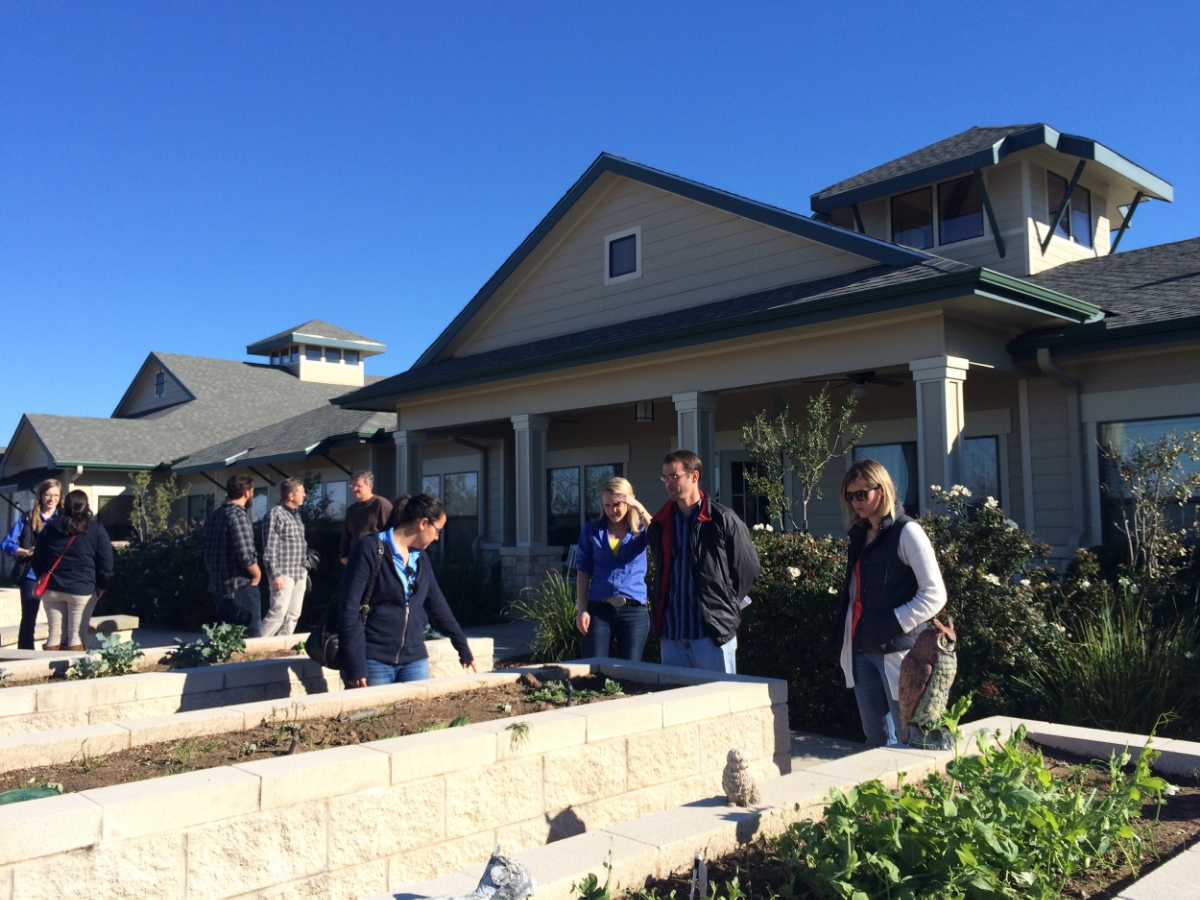
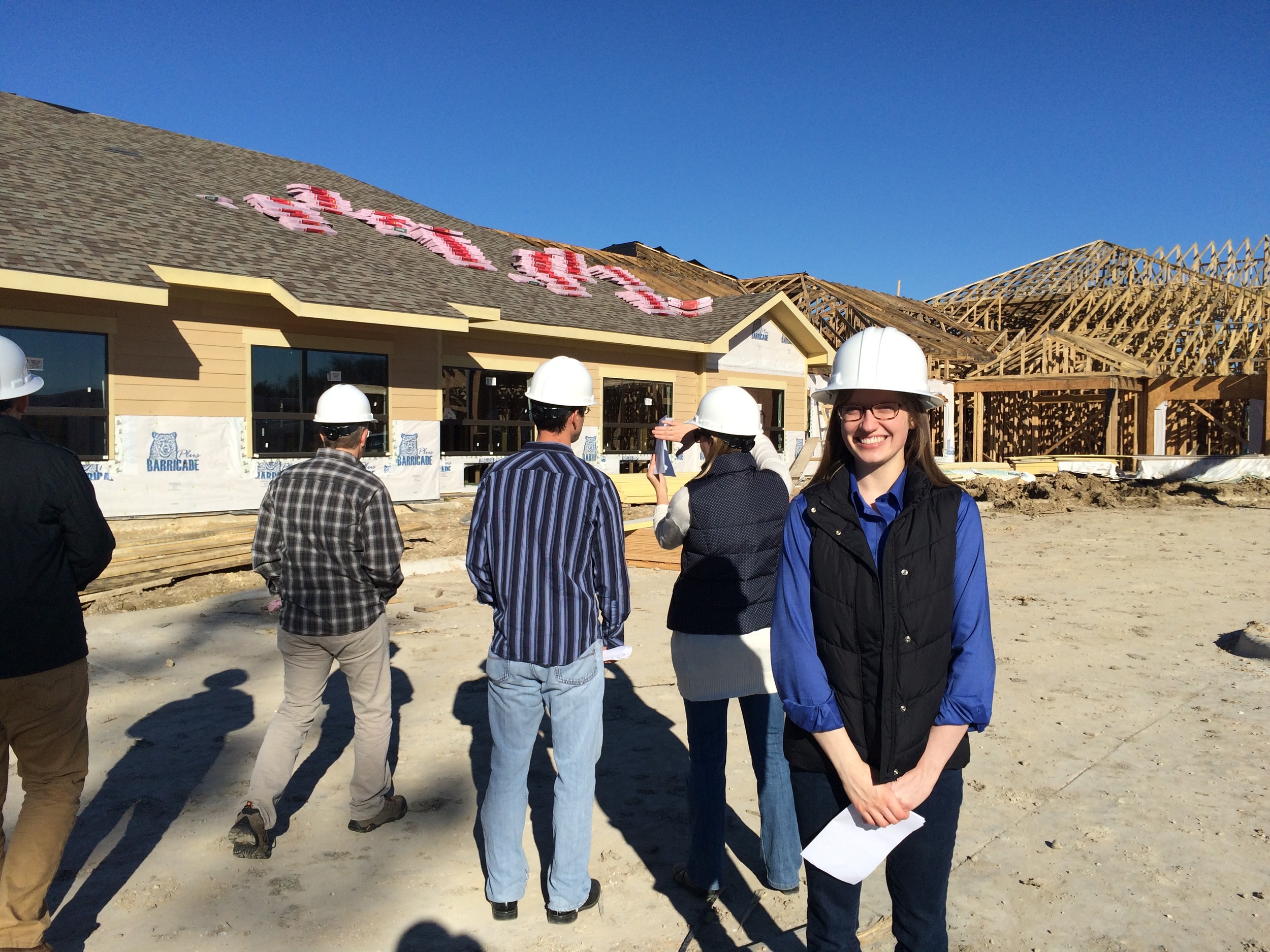
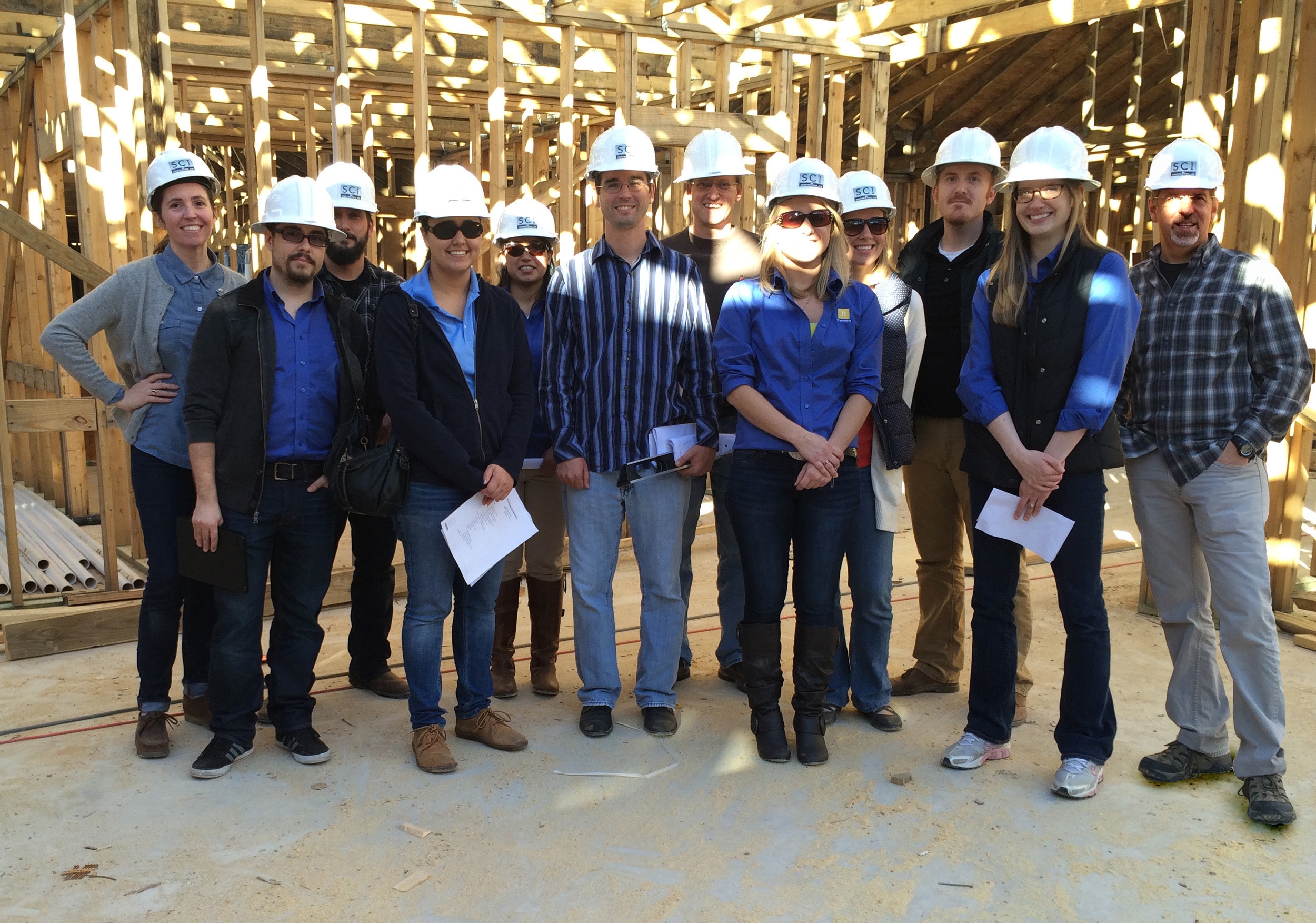
Nearby projects present a rare treat, a chance to get up from the desks and pile everyone into a van for a team site visit. It's a great learning experience for our younger designers, both on how to conduct a site visit and to see firsthand how design translates to active construction. On this day we visited SPJST in Taylor, where the original building dates to 1958.
The buildings currently under construction are part of a multi-phase master planned project, begun in 2006. A day on site not only gets the team outside on a beautiful day, it presents the opportunity to discuss implications of Life Safety, ADA compliance and check for mandatory construction specifications.
The new complex will modernize the campus and add service offerings, but as we saw during our visit, the heart of the community is the people. Many staff boast decades of employment; residents and staff alike are visibly proud of their community.
Clients will always come and go, but we were lucky to be reminded of who we're really working for when designing senior living. Thanks again to Woody and Diane, their dedicated staff, and especially the friendly SPJST residents who warmly welcomed us into their home.
Contact us here or call us at 512-231-1910

recent blogs
Alois Alzheimer first presented his findings about brain abnormalities that became the foundation of Alzheimer’s disease as a specific diagnosis over 100 years ago. Since then, we have learned much about Alzheimer’s and other dementias. This World Alzheimer’s Month, Pi celebrates people everywhere living with this illness and is proud to help design communities that contribute to their well-being and quality of life.
One thing that has become clear in recent years is the key role of surroundings and environment in enabling people with dementia to live not only safely but joyfully and with meaning.
Master planning brings clarity and vision, creating a roadmap to transform organizations based on community needs, realistic costs, and long-term growth.
Keep these guiding principles in mind to ensure your master plan illuminates your organization's path, prepares you for surprises, and considers all relevant factors.
In essence, age-friendly care is designed to empower and drive healthcare that incorporates and emphasizes safe, evidence-based, person-centered care. At its core is the 4Ms clinical framework: What Matters (most to the person), Medication, Mentation, and Mobility.
While age-friendly care is rooted in clinical practice, it is most effective when it is thoughtfully integrated into the design and woven into every aspect of the community.
What does an age-friendly community look and feel like?
According to a recent study, 86% of pet owners surveyed said their pets mostly have a positive impact on their mental health. The benefits of pet ownership have long been known. Researchers say that pet owners get a jolt of oxytocin from interacting with dogs, and some studies show that pet parents have healthier hearts, are less depressed, and get more exercise. So if you think pet owners will leave their furry buddies behind when they enter senior living, think again, which presents some exciting opportunities for senior living communities.
Ask someone with pets how they feel about them, and most would say, “They’re family.” In fact, about half of all adults aged 50 and older have at least one pet and about a third have multiple animals. Not surprisingly, dogs and cats are most popular.
So when it comes time to move into a senior living community, prospects are likely to want to bring their “family” with them. Communities that allow residents to share their homes and lives with their pets will appeal to these individuals and give them an advantage over other communities.
This year marks the 32nd World Senior Citizen Day, a time to celebrate the people, experiences, and perspectives that make every generation unique.
The way we think about senior living continues to evolve. Today’s residents want opportunities to stay active, pursue their passions, build meaningful connections, and live life on their own terms.
Wellness these days is more about keeping minds and bodies active. Residents want to be physically active with activities like pickleball, walking, and hiking, as well as classes like yoga and Zumba. Older adults who prioritize longevity and aging well seek senior living options that enable them to accomplish their life goals. Increasingly, this means settings with not only a fitness center but a wellness center that provides activities, services, and education that promote health and well-being.
Summer is the perfect time to step outside and examine the landscapes that surround your community. Gardens, courtyards, walking paths, lawns, and patios are more than just visual amenities; they are extensions of the living environment. Well-designed outdoor spaces encourage residents to connect with nature, stay active, socialize with neighbors, and enjoy the health and wellness benefits that come from spending time outdoors.
At Pi Architects, our design philosophy focuses on creating communities that support connections. This is where thoughtful design becomes essential. The next generation of residents, Boomers and Gen X, value independence, choice, authenticity, and environments that support both social engagement and personal well-being. Yet, often resist traditional senior living programming or conventional community layouts.
Social connections are the backbone of any community, especially in senior living communities, where the nature of aging, functional/mobility limitations, illness, and distance from family or friends can contribute to feelings of loneliness and social isolation. Meaningful social interaction is essential to long-term senior wellness, and creating environments that encourage connection through thoughtful design is one of the most impactful ways to support healthier, more vibrant communities.
The built environment has a powerful role to play in reversing the loneliness trend in seniors. Senior living communities are uniquely positioned to address this isolation epidemic through intentional design to foster connection rather than reinforce solitude.
At Pi, we’re dedicated to building communities that energize daily life, enrich meaningful connections, and empower every resident to live fully.
Once Upon a Time…Celebrating Seniors’ Stories
A few weeks ago, Pi’s editing partner, Joanne Kaldy, participated in the MOTH Storyslam. This is a nationwide competition, a monthly event where people can tell a story related to a particular theme. While I didn’t win the competition, my story was well received, and I received high scores from the judges. Interestingly, the experience got me thinking about senior living.”