
Why you need experienced senior living site planner for your project

Experienced site planners with a specialty in senior living give you the advantage of time and cost savings. Pi Architects Landscape Architects are trained in site planning and comprehensive code reviews. Landscape Architects experienced with senior living are ideal for a quick review of key site requirements, program layouts, and city development requirements. As sites are becoming more expensive and much more challenging, it is critical to maximize a site's potential.
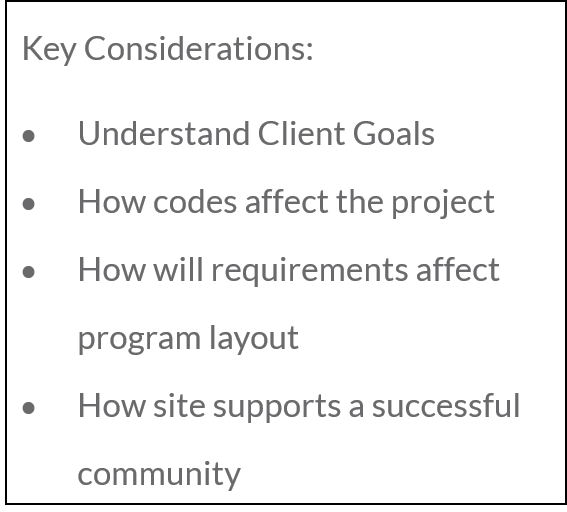
Bryan Warne, PLA, Director of Landscape Architecture for Pi Architects and Senior Living Planning expert shares what's important to consider when evaluating a site's potential. The first step is understanding the client goals. Bryan suggests starting by reviewing what codes affect a Senior Living project and what local politics affect project possibilities. Furthermore, give attention to exposure, views, existing grades, utility requirements, detention, and setbacks. All can affect the layout, size, amenities and overall potential of the site being reviewed.
Managing time and up-front fees are essential when determining if a site is viable. The meter is running. It's nice to have the option of an efficient site analysis that does not break the bank and provides a critical level of confidence.

Contact us here or call us at 512-231-1910.
recent blogs
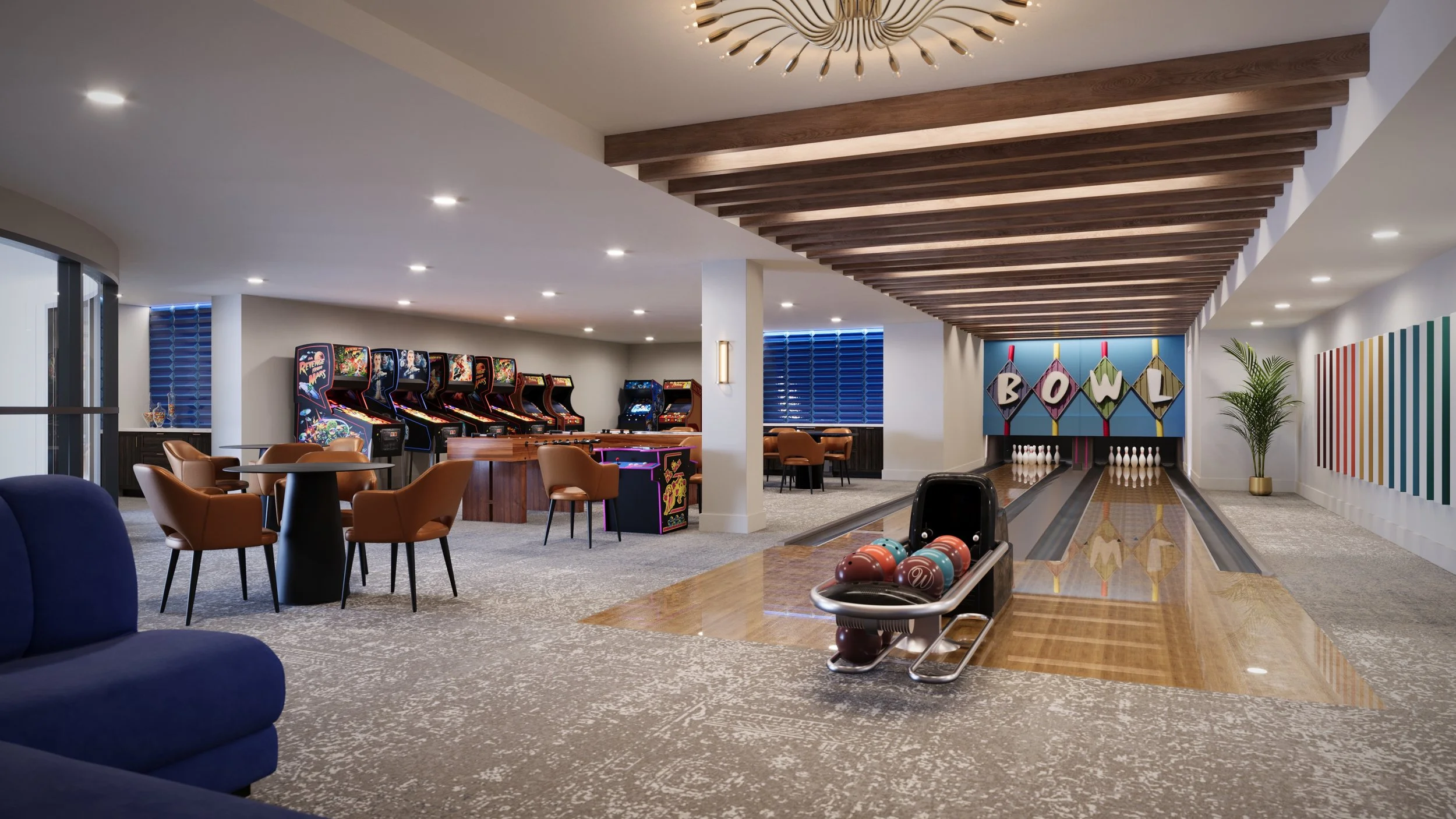
For a long time in the media, the images of aging were a rocking chair on a front porch, a quiet afternoon on a park bench, or a game of shuffleboard. That picture no longer reflects what aging looks like for many people in 2026. When the International Council on Active Aging initiated Active Aging Week in 2003, it highlighted the recognition that many older adults lead healthy, engaged lifestyles and prioritize wellness activities daily. The image of the older adult has evolved and continues to do so as baby boomers and Gen Xers seek to make senior living their own.
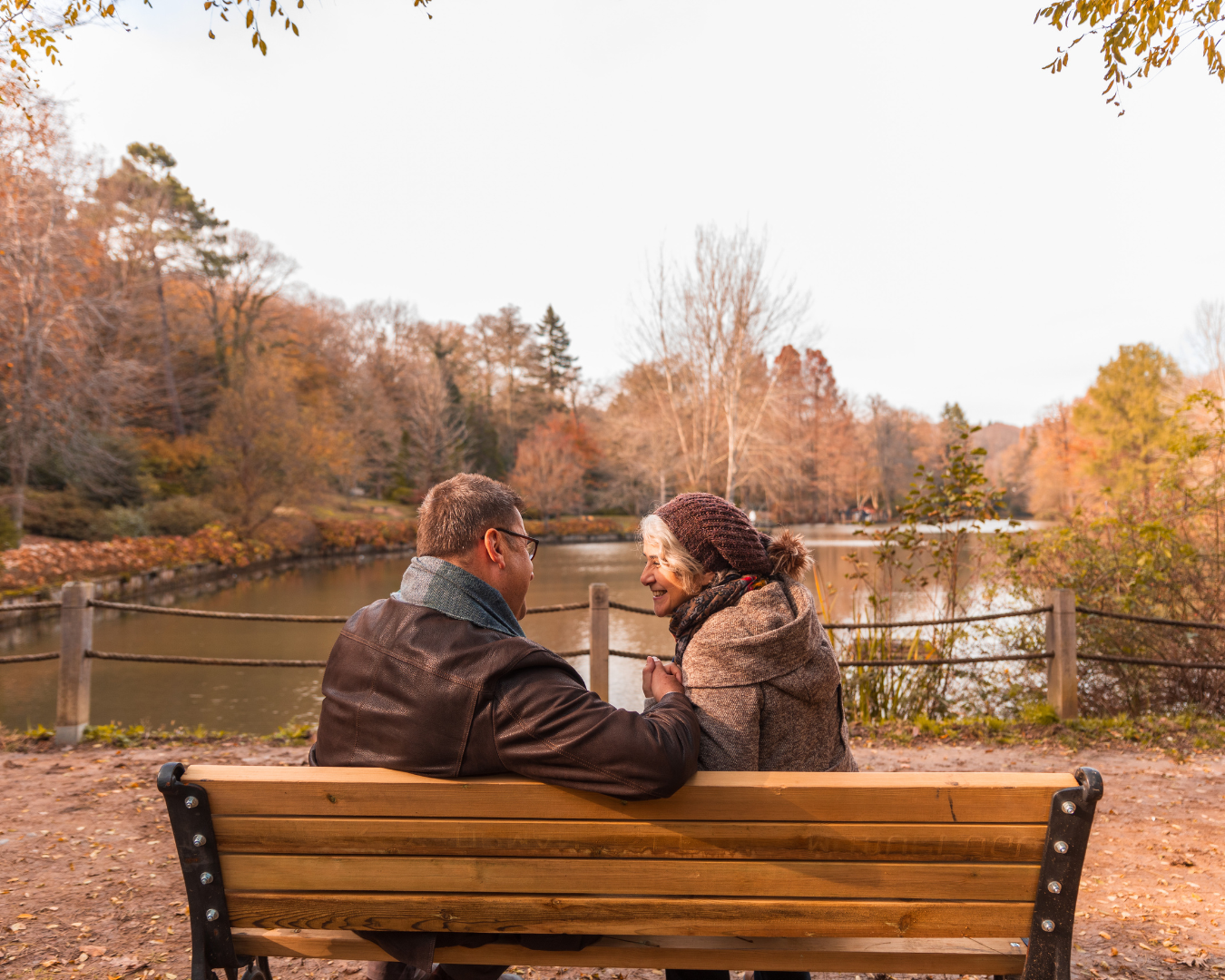
Fall is also a natural time to take a fresh look at a community’s spaces. As the seasons change and residents spend more time indoors, it’s an opportunity to rethink how spaces are being used and whether they still reflect the energy, personality, and lifestyle of the people who call the community home.
Renovation doesn’t mean starting from scratch; small but intentional changes can make a space feel completely different.
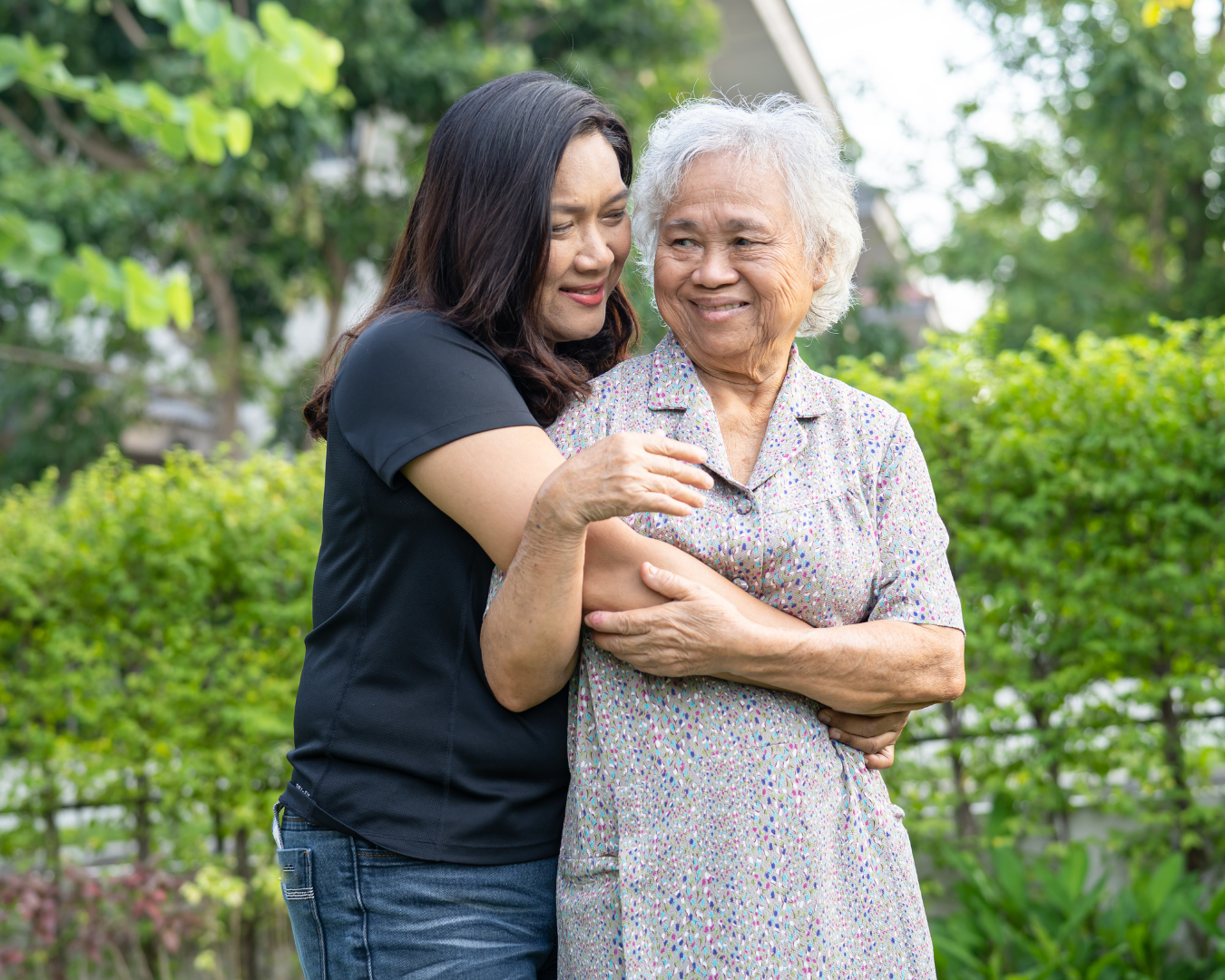
Alois Alzheimer first presented his findings about brain abnormalities that became the foundation of Alzheimer’s disease as a specific diagnosis over 100 years ago. Since then, we have learned much about Alzheimer’s and other dementias. This World Alzheimer’s Month, Pi celebrates people everywhere living with this illness and is proud to help design communities that contribute to their well-being and quality of life.
One thing that has become clear in recent years is the key role of surroundings and environment in enabling people with dementia to live not only safely but joyfully and with meaning.

Master planning brings clarity and vision, creating a roadmap to transform organizations based on community needs, realistic costs, and long-term growth.
Keep these guiding principles in mind to ensure your master plan illuminates your organization's path, prepares you for surprises, and considers all relevant factors.

In essence, age-friendly care is designed to empower and drive healthcare that incorporates and emphasizes safe, evidence-based, person-centered care. At its core is the 4Ms clinical framework: What Matters (most to the person), Medication, Mentation, and Mobility.
While age-friendly care is rooted in clinical practice, it is most effective when it is thoughtfully integrated into the design and woven into every aspect of the community.
What does an age-friendly community look and feel like?
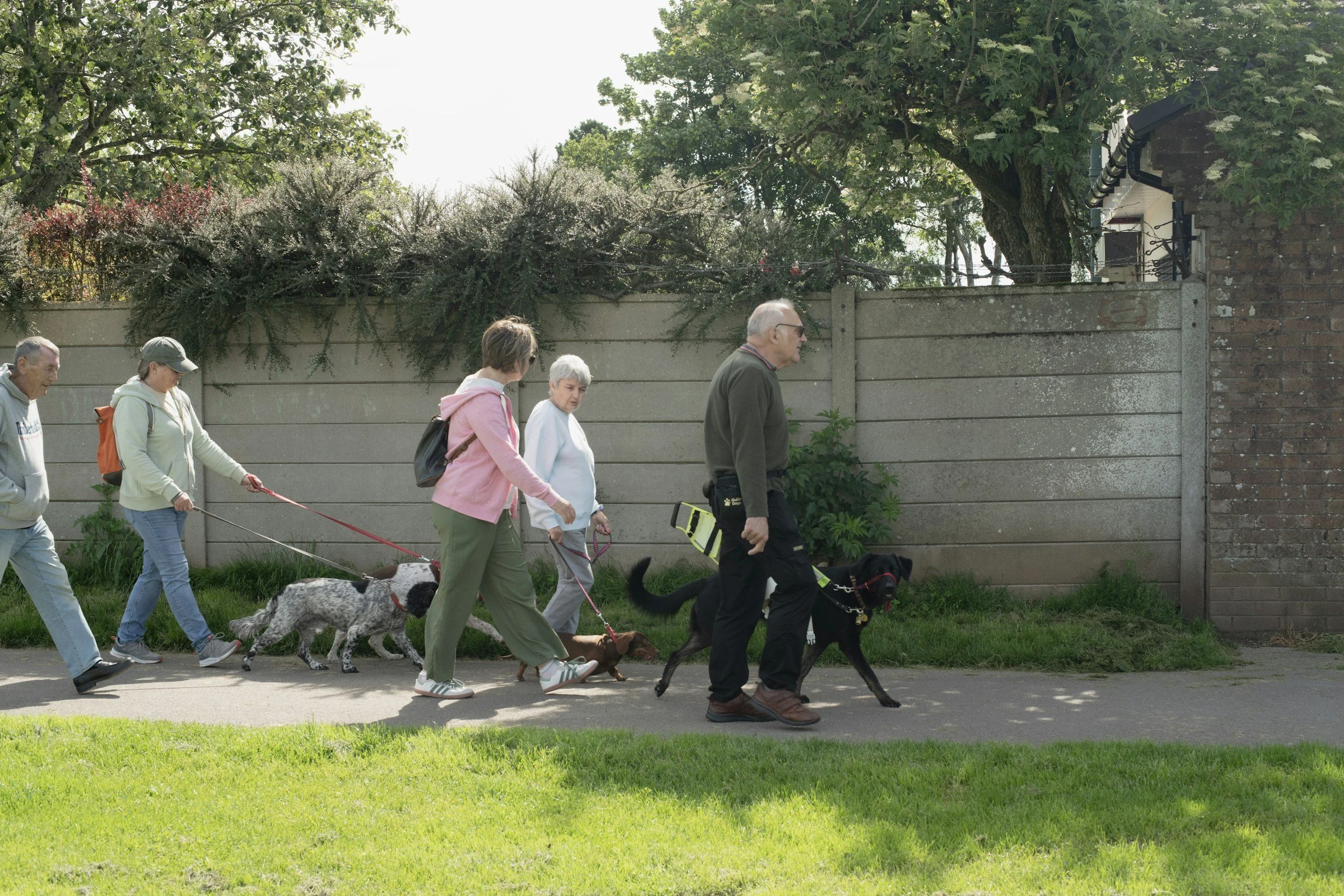
According to a recent study, 86% of pet owners surveyed said their pets mostly have a positive impact on their mental health. The benefits of pet ownership have long been known. Researchers say that pet owners get a jolt of oxytocin from interacting with dogs, and some studies show that pet parents have healthier hearts, are less depressed, and get more exercise. So if you think pet owners will leave their furry buddies behind when they enter senior living, think again, which presents some exciting opportunities for senior living communities.

Ask someone with pets how they feel about them, and most would say, “They’re family.” In fact, about half of all adults aged 50 and older have at least one pet and about a third have multiple animals. Not surprisingly, dogs and cats are most popular.
So when it comes time to move into a senior living community, prospects are likely to want to bring their “family” with them. Communities that allow residents to share their homes and lives with their pets will appeal to these individuals and give them an advantage over other communities.

This year marks the 32nd World Senior Citizen Day, a time to celebrate the people, experiences, and perspectives that make every generation unique.
The way we think about senior living continues to evolve. Today’s residents want opportunities to stay active, pursue their passions, build meaningful connections, and live life on their own terms.

Wellness these days is more about keeping minds and bodies active. Residents want to be physically active with activities like pickleball, walking, and hiking, as well as classes like yoga and Zumba. Older adults who prioritize longevity and aging well seek senior living options that enable them to accomplish their life goals. Increasingly, this means settings with not only a fitness center but a wellness center that provides activities, services, and education that promote health and well-being.
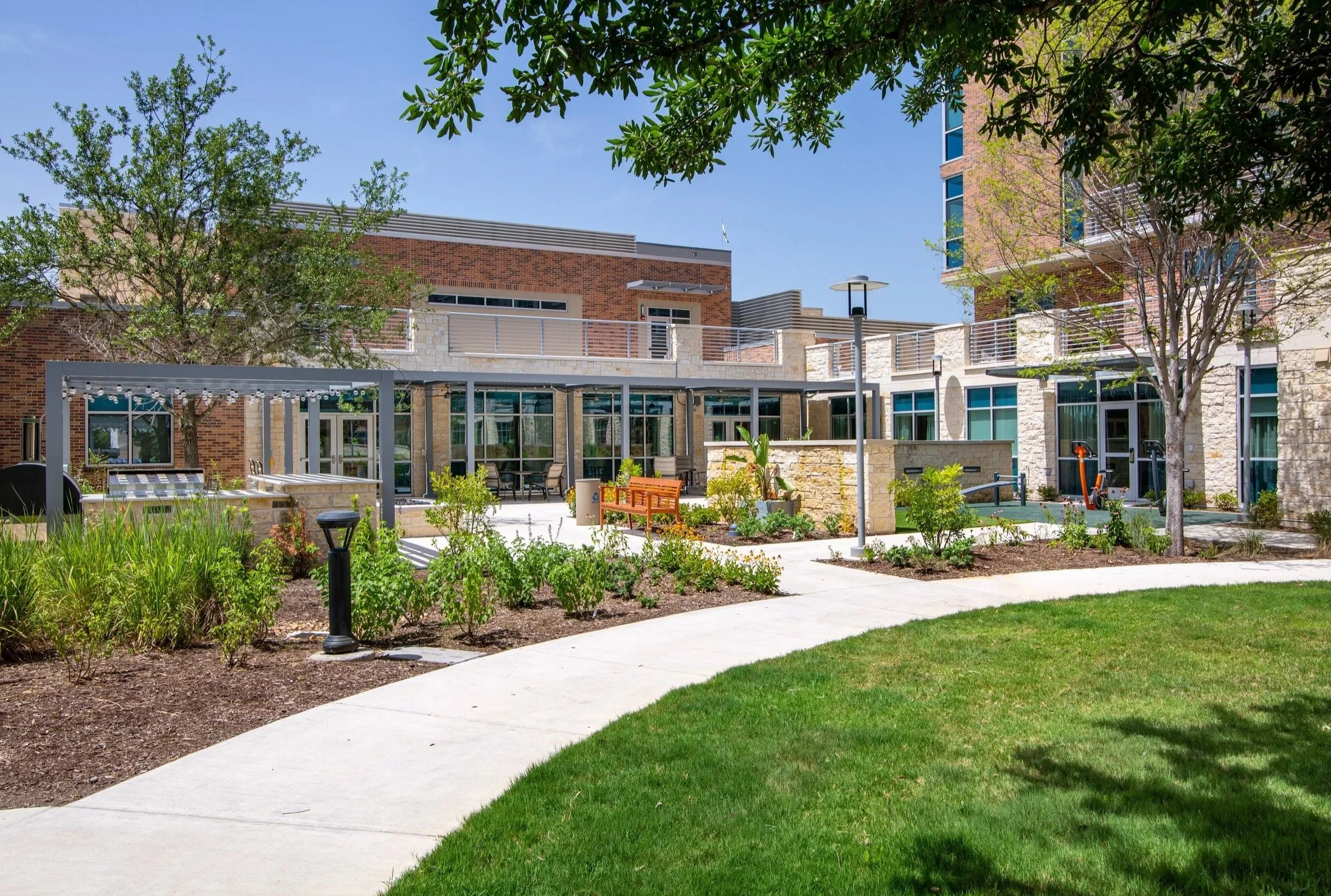
Summer is the perfect time to step outside and examine the landscapes that surround your community. Gardens, courtyards, walking paths, lawns, and patios are more than just visual amenities; they are extensions of the living environment. Well-designed outdoor spaces encourage residents to connect with nature, stay active, socialize with neighbors, and enjoy the health and wellness benefits that come from spending time outdoors.

At Pi Architects, our design philosophy focuses on creating communities that support connections. This is where thoughtful design becomes essential. The next generation of residents, Boomers and Gen X, value independence, choice, authenticity, and environments that support both social engagement and personal well-being. Yet, often resist traditional senior living programming or conventional community layouts.

Social connections are the backbone of any community, especially in senior living communities, where the nature of aging, functional/mobility limitations, illness, and distance from family or friends can contribute to feelings of loneliness and social isolation. Meaningful social interaction is essential to long-term senior wellness, and creating environments that encourage connection through thoughtful design is one of the most impactful ways to support healthier, more vibrant communities.