Designing for the Senior: Trends that are Reshaping the Floor Plan
Like a river after a storm, the trends in senior living in the new year and beyond are moving fast. The floodgates on wellness and longevity have opened. Both Baby Boomers and Gen Xers are prioritizing wellness and efforts to live longer, better. In reality, this isn’t a new concept. People have been pursuing the proverbial “Fountain of Youth” for hundreds of years. However, scientific advancements enabling longer lifespans and stories of octogenarians living healthy and purpose-driven lives have created a new focus on wellness, health, and lifestyle choices as a modern “Fountain of Youth.”
Hunger for New and Better
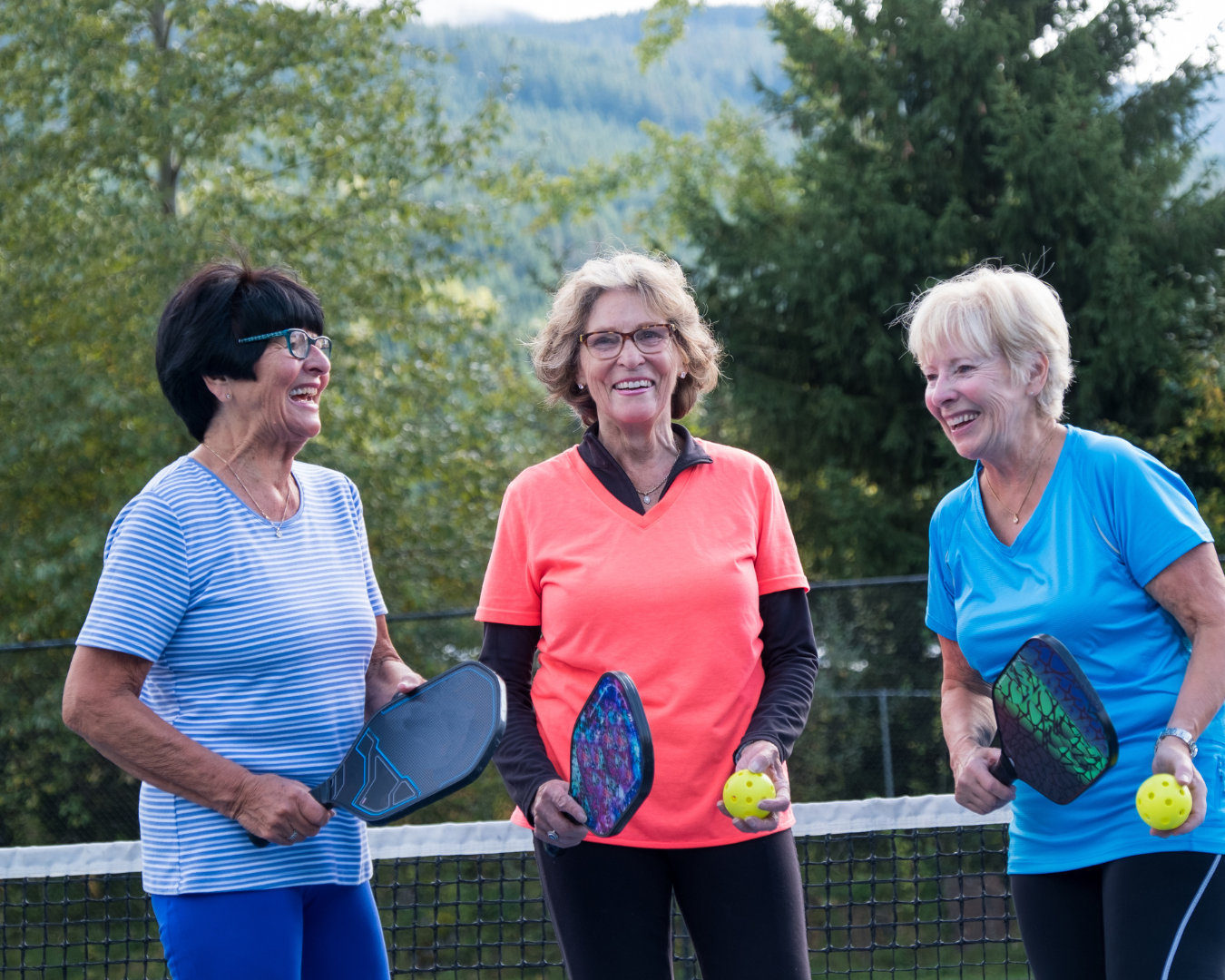
As a result of all this, older adults are increasingly seeking communities that offer amenities and services that will enable them to live longer and better. And they are hungry for more innovative, creative efforts. Imagine, said Shannon Radford, Director of Wellness at Presbyterian Village North, acres of lush outdoor space, with amenities such as a pool with a swim-up bar, biking and hiking trails, and beautiful foliage and gardens where people can paint, socialize, or meditate – a “mini–Central Park” where residents could enjoy the best of the outdoors and an active lifestyle without leaving the community.
The challenge, said Radford, is that these kinds of innovations are often considered “too expensive from a real estate standpoint and not the best use of available funds.” Nonetheless, she stressed that communities that will thrive in the years to come are those that are willing to think outside the box and see the potential for return on innovative investments.
Smart investments in technology will be a must. She predicted, “We are going to see a lot more gadgets and devices that enable residents to track everything from sleep and vital signs to movement, social activities, and health care interventions. Of course, AI plays a role. Radford said, “I think we will see it used in the fitness realm in helping to create and guide fitness plans and exercise regimens.” However, she stressed, “An actual live instructor can never be replaced.” While some people are comfortable with technology and devices like the Peloton products, some prefer or need a physical person to motivate and engage them. Ideally, communities will offer both to enable personalized fitness pursuits.
Dive into Dining
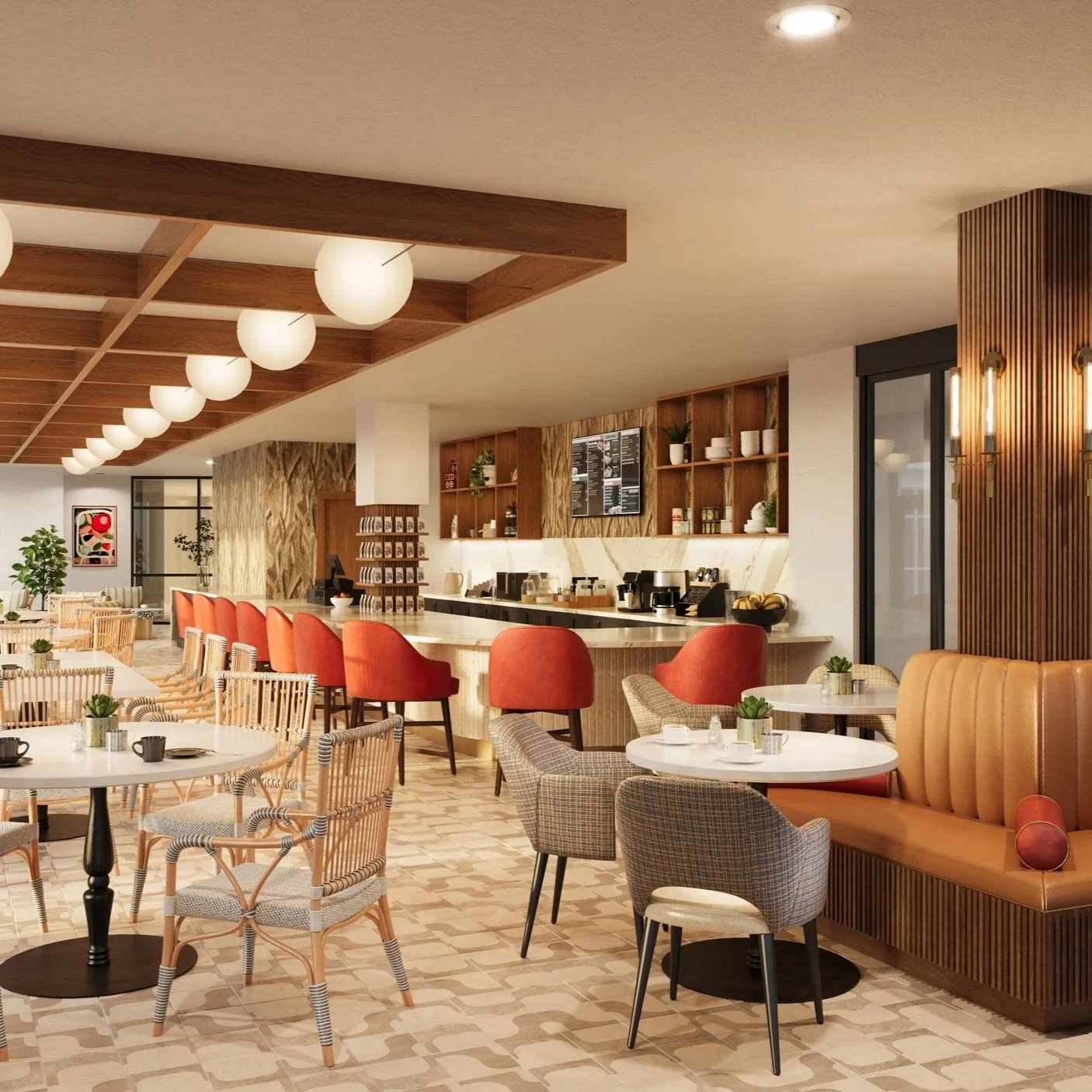
Another trend that is picking up speed revolves around dining. No longer will residents and guests settle for one or two dining venues and limited choices. “We absolutely need to rethink our dining offerings both in terms of the physical spaces and the food served,” said Dan Novelli, Director of Development at LCS. He noted that more communities are focusing on locally sourced fruits, vegetables, baked goods, and other items, some of which they actually produce onsite. More residents also want organic foods and products such as grass-fed beef and free-range chicken.
While currently only about 3% of the population over 65 report being vegetarian or vegan, these numbers are likely to grow as nearly 10% of younger adults conform to this diet. It won’t be enough to offer a plate of beans and rice or pasta and vegetables. These residents will want true cuisine that is thoughtfully prepared and as delicious as it is healthy.
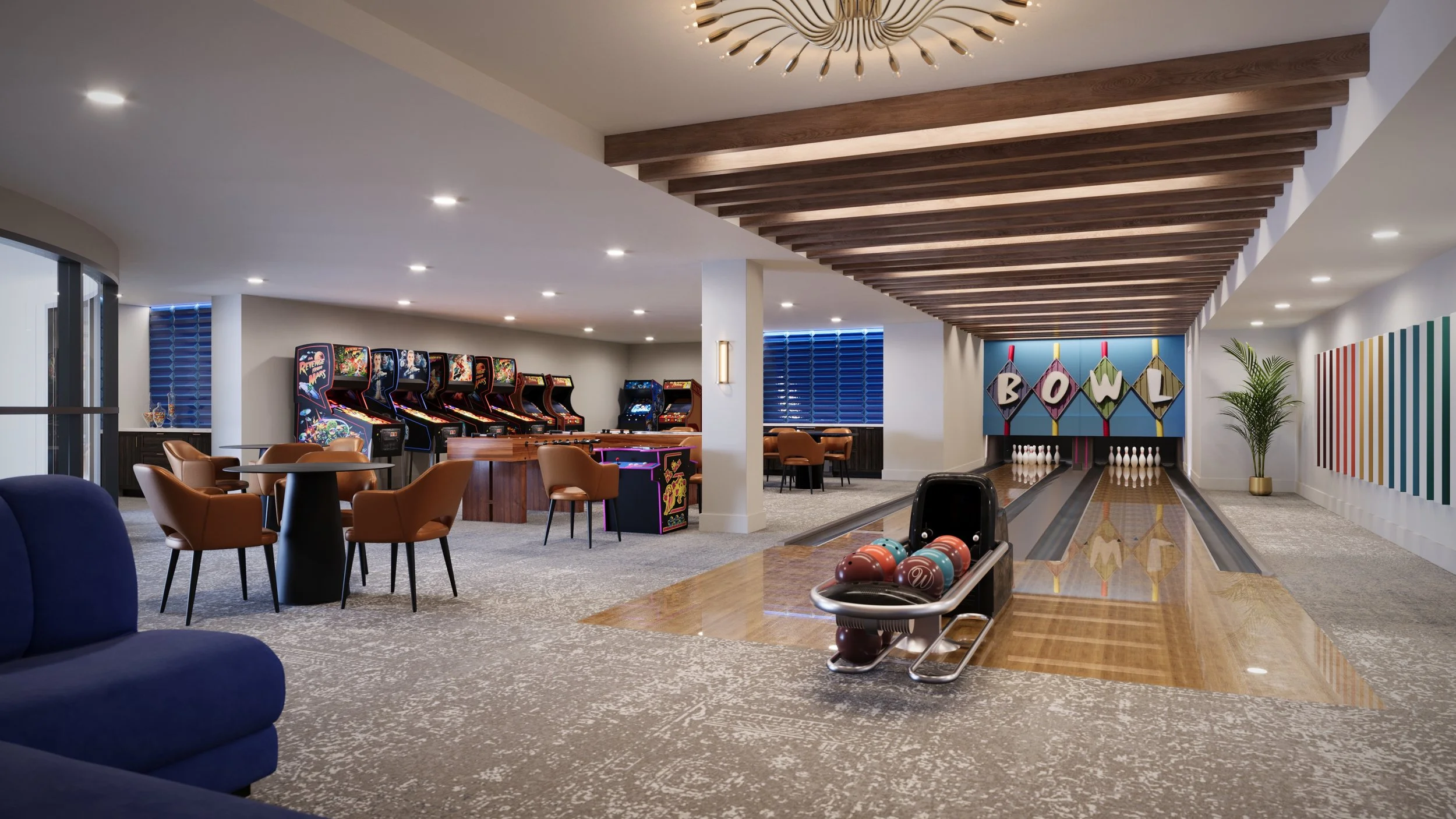
While a large dining hall still serves a purpose, Novelli noted that there is and will continue to be a greater move toward smaller, more diverse dining venues – coffee shops, outdoor patios, pubs, grab-and-go spaces, and food trucks and pop-up tents. More seniors want intergenerational living spaces, so dining will have to offer options for family meals and options such as pizza and ice cream. A growing number of older adults have pets they consider to be family, so communities may even offer meals and treats for cats and canines. On-site breweries, wineries, and distilleries, or partnerships with local businesses, are another population and rising trend. At the same time, Radford noted that longevity- and wellness-conscious seniors often choose alcohol-free lifestyles, so non-alcoholic options such as mocktails and alcohol-free beers should be offered in bars, pubs, and restaurants.
Enhancing Engagement
Considering that nearly a third of Americans – including seniors -- are unpartnered, it will be important for communities to plan for ways to engage and support residents who don’t have families or strong networks of friends. This may involve special interest clubs and groups, activities (like movies and concerts) where people can come alone to observe and not participate, and events (such as lectures, classes, demonstrations, and volunteer or mentoring opportunities) designed to connect people with common interests and needs.
Moving ahead, the industry will look different with communities that are vibrant, energetic, and take the concept of active adult living into a new era of engagement and purpose. We will see more hybrid models that blend independent living and activity with health services and support (with a focus on technology-driven care); smaller, more personalized or niche communities; greater offering of aging-in-place services; intergenerational communities and partnerships with local businesses, organizations, and schools; and flexible-payment and membership models.
Whatever the future brings, Pi is ready to take your community to new heights of success in 2026.

Pi Architects | Contact us here or call us at 512-231-1910.
Recent Insights