
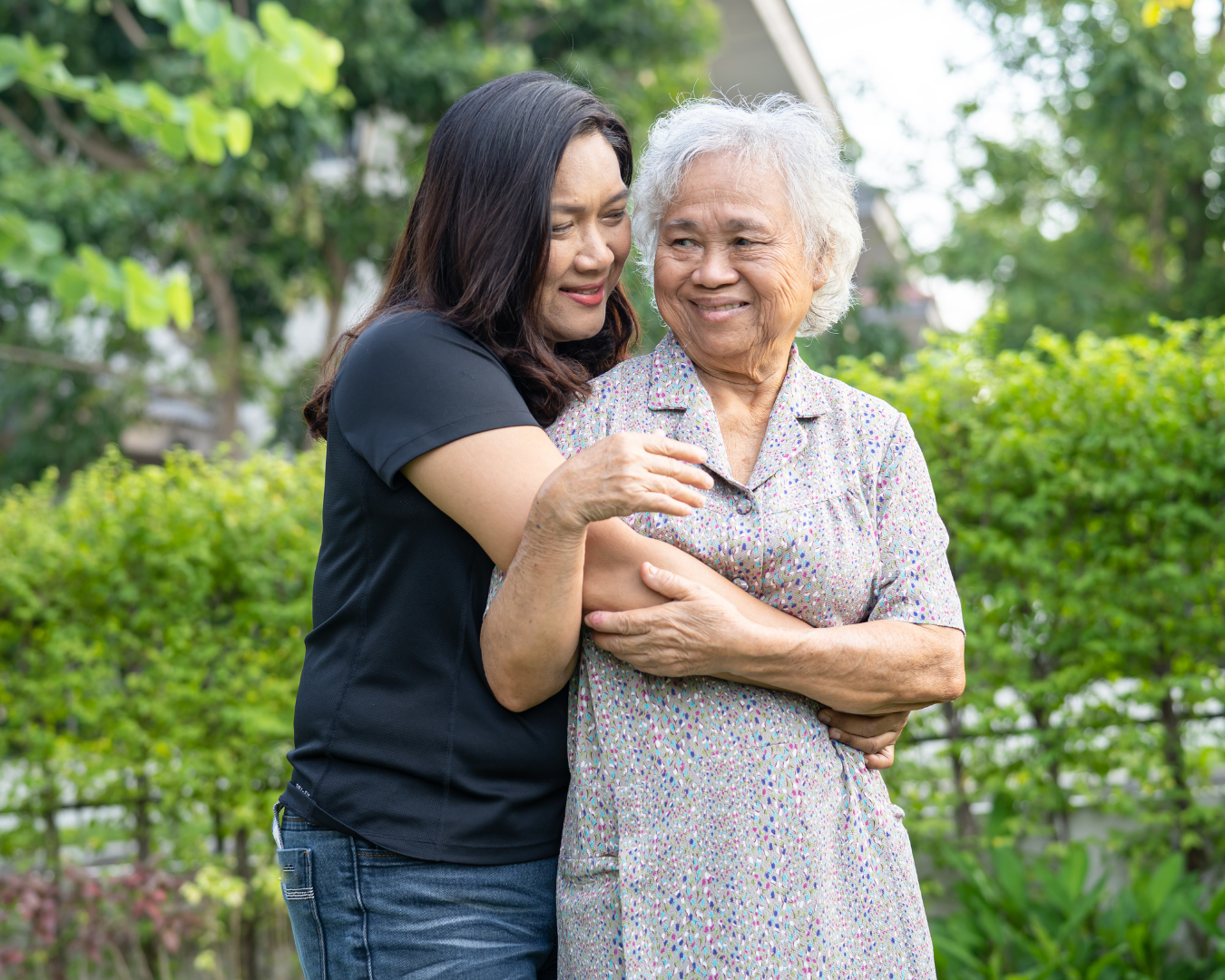
World Alzheimer’s Awareness Month: Design Honors the People at the Heart of Alzheimer’s
Alois Alzheimer first presented his findings about brain abnormalities that became the foundation of Alzheimer’s disease as a specific diagnosis over 100 years ago. Since then, we have learned much about Alzheimer’s and other dementias. This World Alzheimer’s Month, Pi celebrates people everywhere living with this illness and is proud to help design communities that contribute to their well-being and quality of life.
One thing that has become clear in recent years is the key role of surroundings and environment in enabling people with dementia to live not only safely but joyfully and with meaning.

Healthy Aging Month: Age-Friendly Communities Breathe New Life into Senior Communities
In essence, age-friendly care is designed to empower and drive healthcare that incorporates and emphasizes safe, evidence-based, person-centered care. At its core is the 4Ms clinical framework: What Matters (most to the person), Medication, Mentation, and Mobility.
While age-friendly care is rooted in clinical practice, it is most effective when it is thoughtfully integrated into the design and woven into every aspect of the community.
What does an age-friendly community look and feel like?

Supporting Senior Living Residents’ Wellness Journey
Wellness these days is more about keeping minds and bodies active. Residents want to be physically active with activities like pickleball, walking, and hiking, as well as classes like yoga and Zumba. Older adults who prioritize longevity and aging well seek senior living options that enable them to accomplish their life goals. Increasingly, this means settings with not only a fitness center but a wellness center that provides activities, services, and education that promote health and well-being.
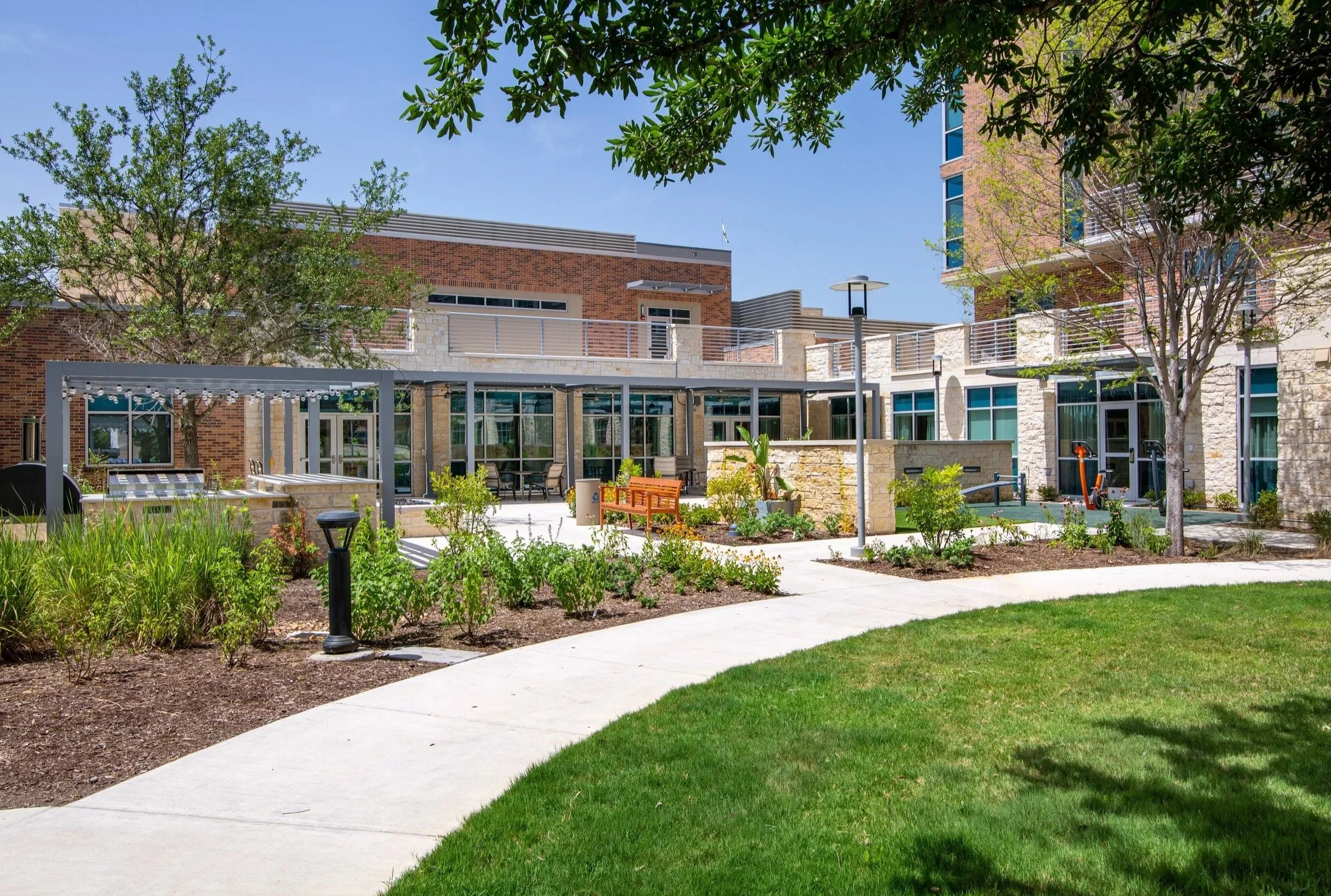
How Does Your Garden Grow: Creating Beautiful, Safe, and Sustainable Outdoor Spaces in Senior Living Communities
Summer is the perfect time to step outside and examine the landscapes that surround your community. Gardens, courtyards, walking paths, lawns, and patios are more than just visual amenities; they are extensions of the living environment. Well-designed outdoor spaces encourage residents to connect with nature, stay active, socialize with neighbors, and enjoy the health and wellness benefits that come from spending time outdoors.

Thoughtful Design: Creating Communities that Support Connections
At Pi Architects, our design philosophy focuses on creating communities that support connections. This is where thoughtful design becomes essential. The next generation of residents, Boomers and Gen X, value independence, choice, authenticity, and environments that support both social engagement and personal well-being. Yet, often resist traditional senior living programming or conventional community layouts.

Strong Social Connections Build Longevity-Focused Communities
Social connections are the backbone of any community, especially in senior living communities, where the nature of aging, functional/mobility limitations, illness, and distance from family or friends can contribute to feelings of loneliness and social isolation. Meaningful social interaction is essential to long-term senior wellness, and creating environments that encourage connection through thoughtful design is one of the most impactful ways to support healthier, more vibrant communities.
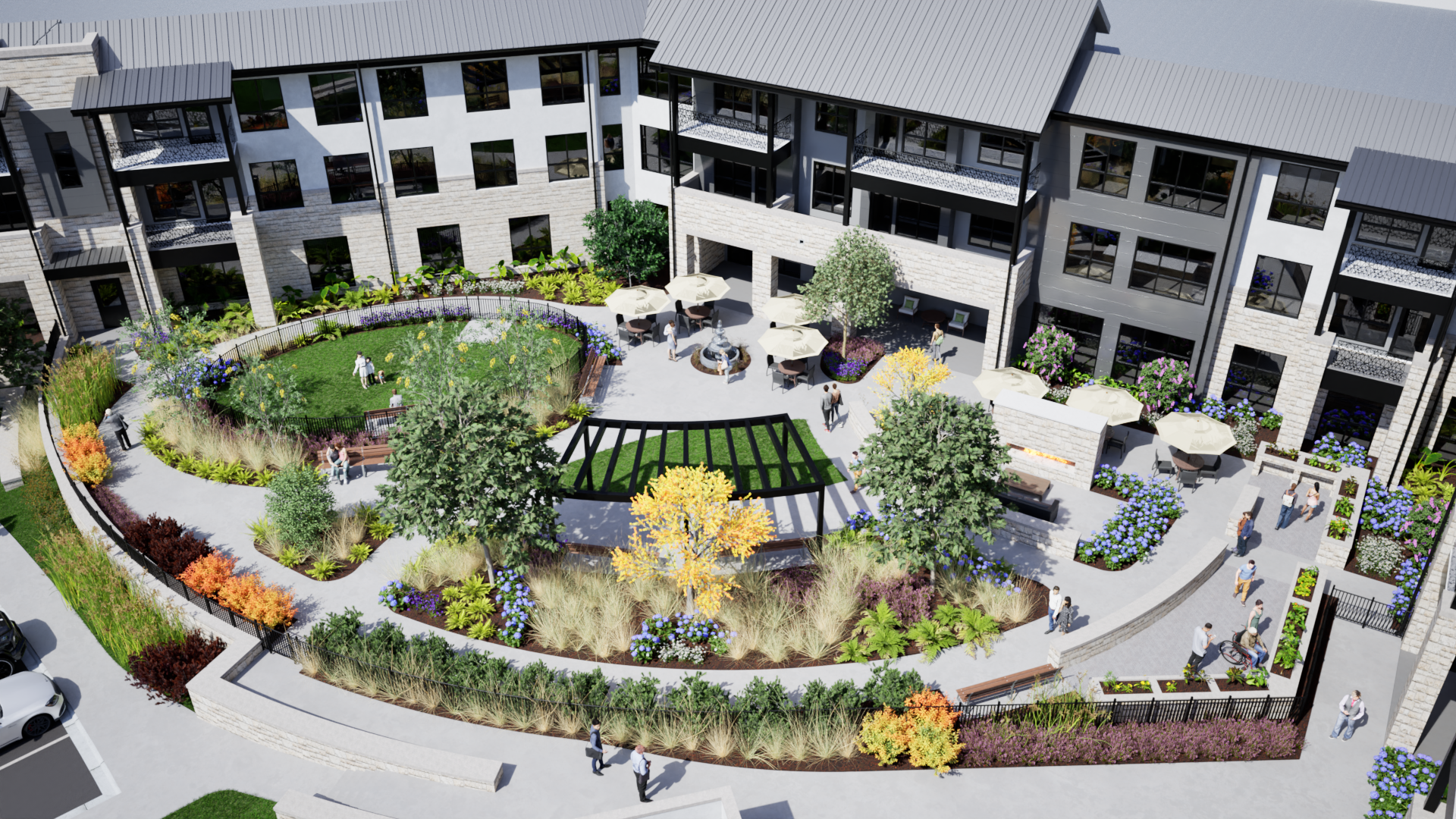
The Built Environment: Designing Spaces That Bring People Together
The built environment has a powerful role to play in reversing the loneliness trend in seniors. Senior living communities are uniquely positioned to address this isolation epidemic through intentional design to foster connection rather than reinforce solitude.
At Pi, we’re dedicated to building communities that energize daily life, enrich meaningful connections, and empower every resident to live fully.
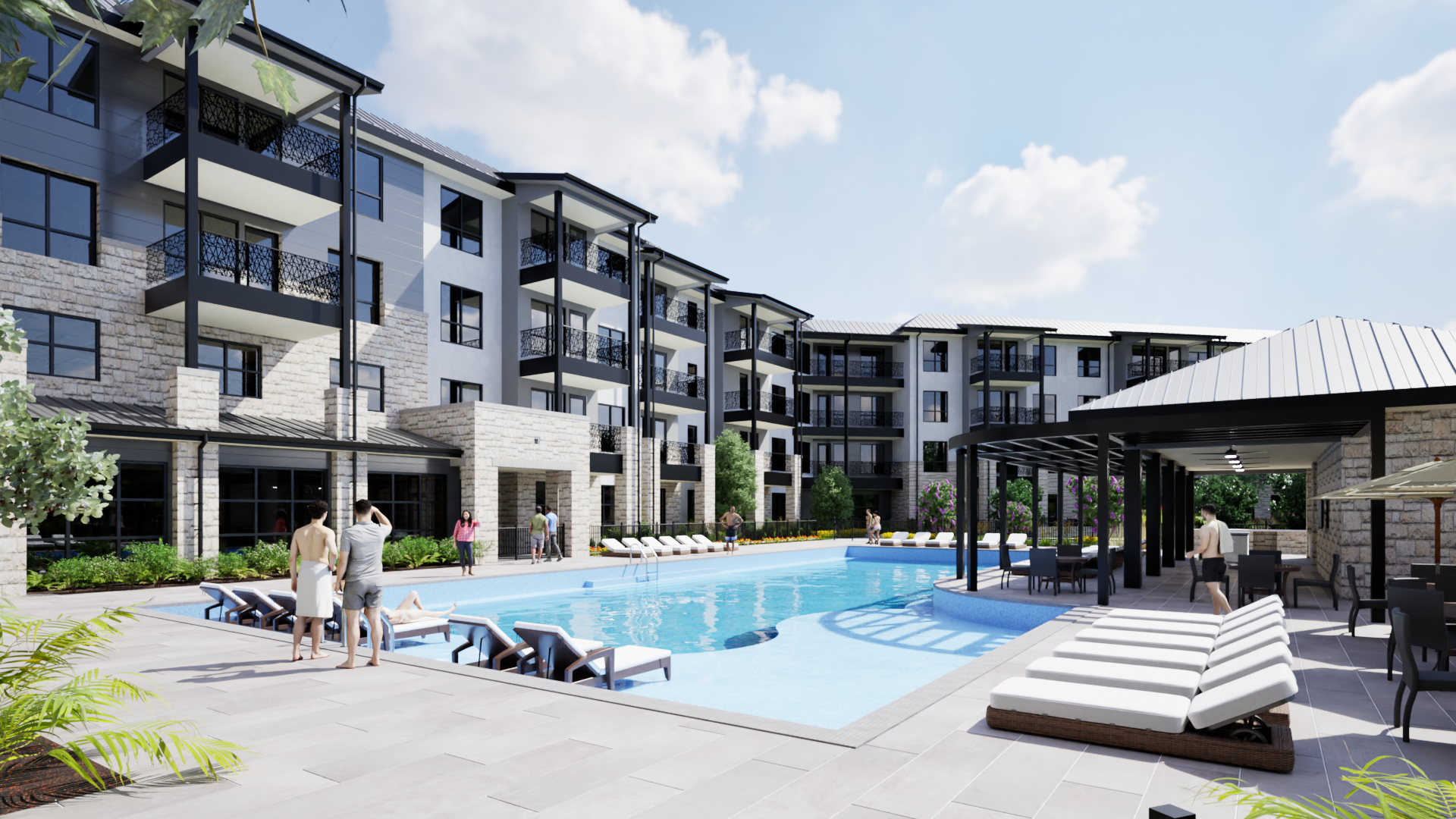
Splash, Save, Succeed: Make Waves with Your Pool
If you look at ads and brochures for senior living communities, you’re likely to see at least one photo or video of people enjoying the pool. Many residents wouldn’t consider moving into a community without one. Whether you’re building a new community or renovating or updating an existing one, a pool is likely part of your plans. Whatever you do, here are some tips on how to make sure your pool performs for your residents, you, and your budget.
The Architecture of Calm: How Environment Influences Residents’ Mental Health
As more older adults seek lifestyles that prioritize wellness, purpose, and connection, senior living communities must support both physical and mental health. Today’s senior housing design goes far beyond accessibility—it focuses on emotional well-being, social engagement, and quality of life.

Summer Picnic Favorite: The Rich Heritage of the Hamburger
The hamburger has long been a favorite at summer picnics and backyard barbecues. Juicy, customizable, and easy to enjoy outdoors, burgers remain a classic warm-weather staple. But where did the hamburger come from, and how can senior living communities turn this summertime favorite into a fun-filled celebration?

Celebrating Older Americans Month: It’s Never Too Late for Greatness
The idea that “age is just a number” is certainly true for many people who have blossomed, achieved greatness, found fame, or reinvented themselves later in life. This Older Americans Month, we would like to highlight a few of our favorites:
Colonel Harland Sanders was modestly successful as a restaurant owner in his 40s. However, it wasn’t until he was 62 years old that he opened the first Kentucky Fried Chicken (KFC).
Boosting Biophilia in Age-Friendly Spaces
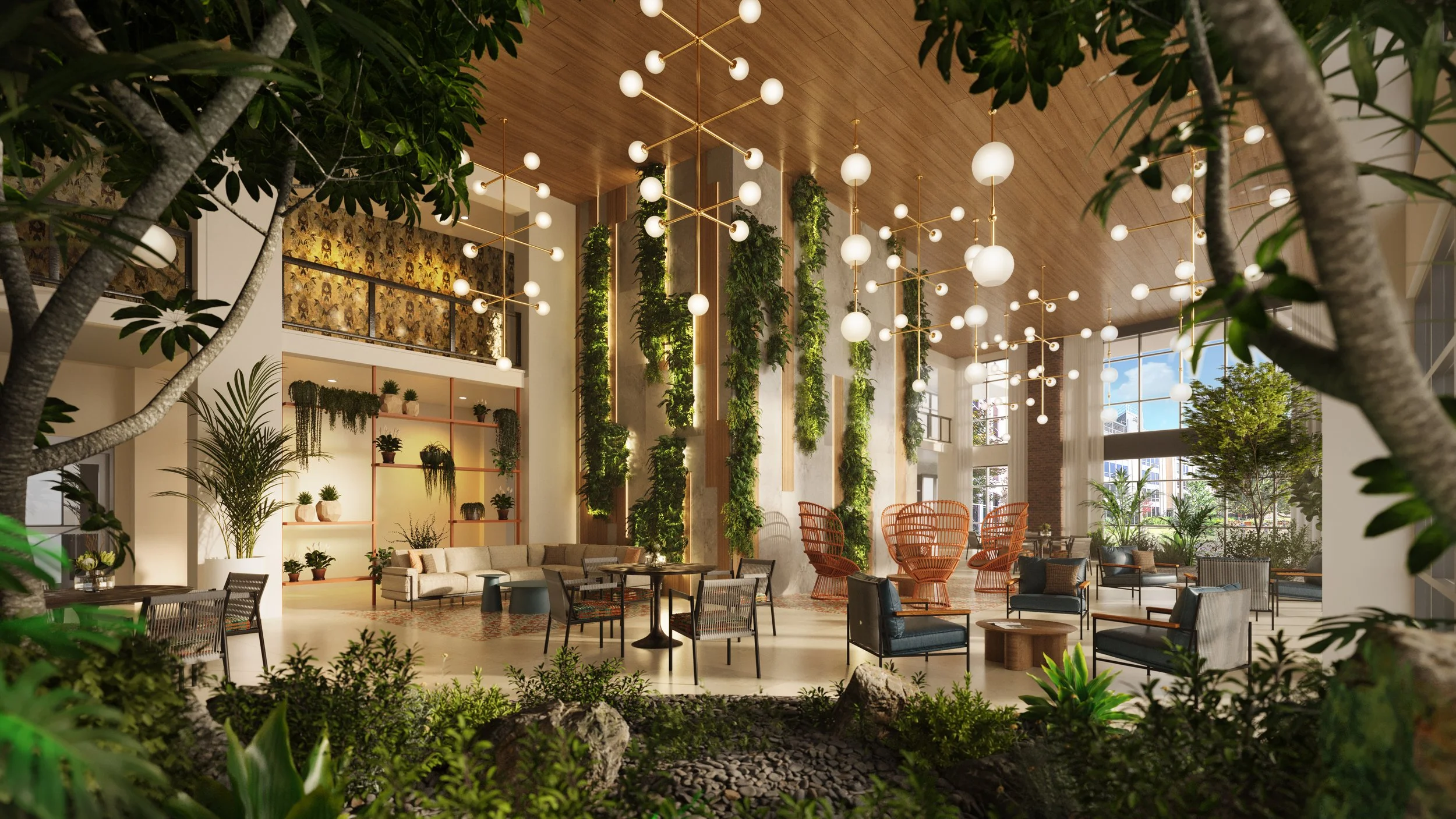
Biophilic design, the integration of natural elements into architecture and interior spaces, is not only aesthetically pleasing and textural; it can have a significant impact on emotional, mental, and even physical health. Finding ways to integrate biophilic elements into the buildings we design provides opportunities to create spaces that are not only unique but that elevate the experience of residents, staff, and visitors alike.

Hop to It: Many Ways Senior Living Residents Can Celebrate Easter
Whatever Easter means to your residents, you can make the most of your campus design and amenities to help them celebrate and enjoy the holiday with family and friends. Spaces for Togetherness
The environment itself can shape how holidays are experienced. Bright, welcoming common areas, access to outdoor gardens, and flexible gathering spaces make it easier to host celebrations that feel both festive and comfortable.
Trends in Senior Living Development and Repositioning
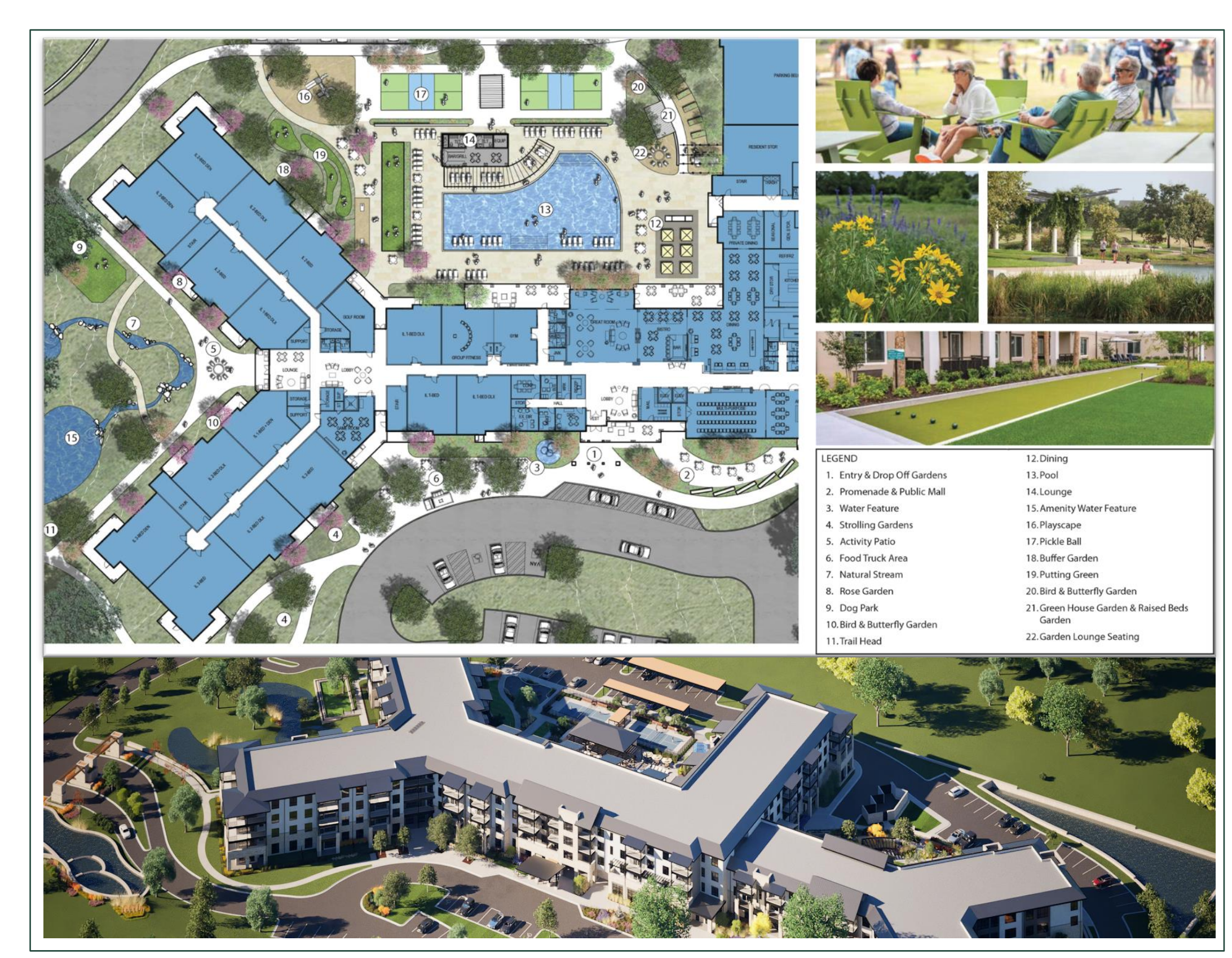
It wasn’t that long ago when every home had a landline telephone, and cell phones were considered a luxury. Today, much of the technology that worked 20 or even 10 years ago is outdated. The same is true for senior living. Many of the amenities that used to attract residents are woefully inadequate today – a single spacious dining hall, a game room for Bingo, and a swimming pool aren’t enough to meet their needs, interests, and expectations. However, many communities have ‘good bones’ and can be repositioned or renovated for seniors today and for years to come.

Senior Living Amenities: Santa Approved
Santa Claus perfectly represents the ideal senior living resident. After polishing off his milk and cookies, he’s ready for health coaching, telehealth appointments, and a state-of-the-art fitness center with plenty of dining options to satisfy every craving. He also appreciates business and technology amenities to keep him connected to the North Pole and children around the world. Pi Architects can make sure your community stays on the “nice” list this year with our master planning, repositioning, and interior design services.
Designing for Longevity: How Pi Architects Works to Fight the Loneliness Epidemic
It is possible to be surrounded by people and still feel lonely. According to the World Health Organization (WHO), loneliness is common among older adults. While moving into a senior living community is often seen as a solution, the relocation alone rarely eliminates the issue. Loneliness does not vanish simply because older adults share the same address. What people need are meaningful opportunities for connection. And Pi Architects can help. Read more.

The Many Demands of Solo Agers
According to population data, about 28% of people aged 65 and older live by themselves; more than 6 million men and 10 million women. Many of these individuals are residents or potential residents of senior living communities; they can and do live independently. These individuals have issues that require support, with nearly 4 in 10 having vision or hearing loss, cognitive issues, or other problems or disabilities. An AARP survey shows that an astonishing 95% haven’t made a reservation at a senior living community, and 82% haven’t looked into finding an easier or less expensive place to live or made any modifications to their homes.

Designing for the Active Adult: How Pi Architects Support Active Aging Through Community Design
While we cannot stop or turn back the clock, Pi Architects designs active adult communities that enable people to age in spaces that meet their needs and interests, providing residents with services and amenities that focus on well-being and longevity, empowering residents to live more vibrant lives. It is about creating communities, places where people feel at home and connected to those around them.
In active adult communities, the design must reflect the mindset of a generation that sees aging differently. These residents often view themselves as youthful, energetic, and far from retirement age in the traditional sense. As a result, the communities that appeal to them must be vibrant and full of life.

Master Planning: Planning and Resilience Without the Crystal Ball
Designing a vibrant and in-demand senior living community is easy when there are no limits. In the real world, financial, operational, and scheduling constraints are a given. That’s where master planning becomes essential. It helps prioritize what’s possible now while laying the groundwork for future growth, innovation, and community needs. It enables you to determine what you can do now and helps create a timeline to realize additional plans, desires, and visions of the community.

Engaging Residents for Vibrant Master Plan
It’s an eternal conundrum. The budget is limited, but the sky’s the limit when it comes to hopes, dreams, and expectations. This can be a challenge in senior living when residents and prospective members dream big, but their dreams cost money, and the coffers aren’t overflowing. However, a combination of engagement, listening, transparency, and thoughtful compromise can enable facilities to make small innovations, bigger renovations done over time or in phases, and viable options to limit costs while maintaining quality and satisfaction. All this calls for a master plan and a team with design, marketing, customer service, leadership, communication, and negotiation skills. This can be especially useful in older communities where no significant changes or updates have been made in several years.