The Architecture of Calm: How Environment Influences Residents’ Mental Health
As more older adults seek lifestyles that prioritize wellness, purpose, and connection, senior living communities must support both physical and mental health. Today’s senior housing design goes far beyond accessibility—it focuses on emotional well-being, social engagement, and quality of life.
The need is clear. According to the World Health Organization, more than 20% of adults over age 60 experience a mental or neurological disorder. Depression and dementia are the most common, with anxiety close behind. Thoughtful senior living architecture design can play a powerful role in supporting mental and emotional health.
At a recent Center for Health Design workshop on behavioral health and wellness-focused architecture, experts identified key features of environments that promote mental health. These principles closely align with the strategies used by leading senior housing architects and interior designers.
Homelike and Calming Environments
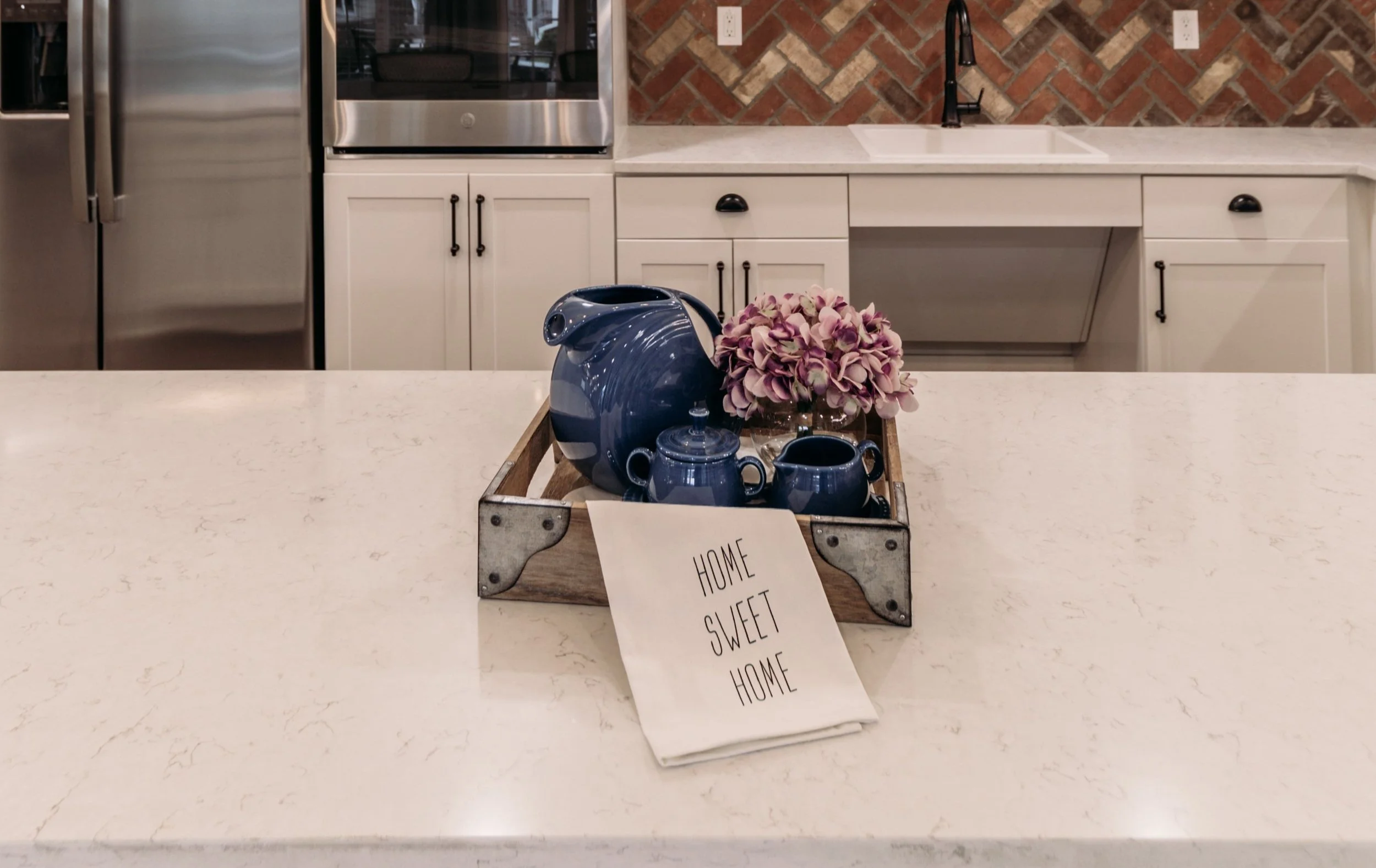
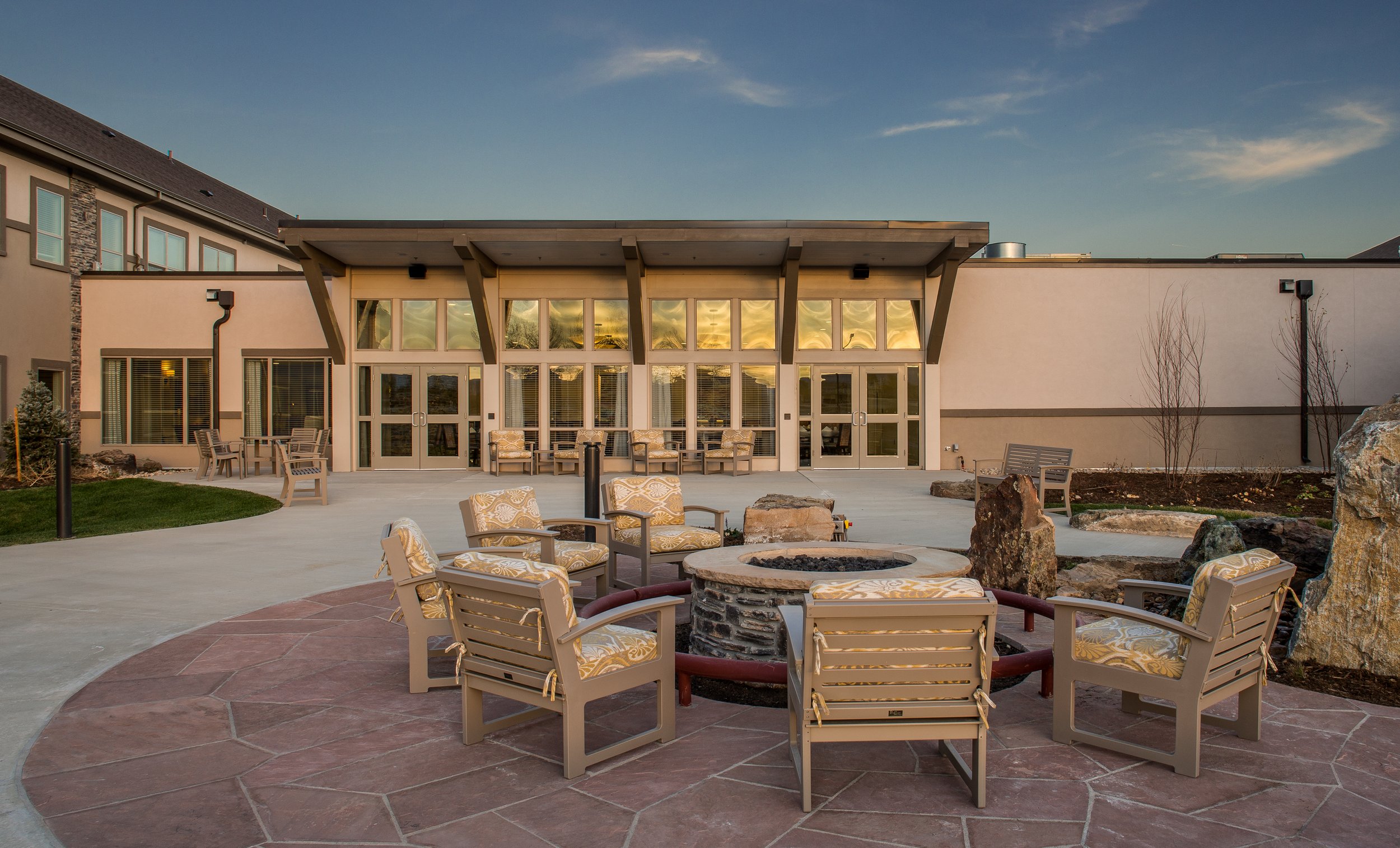
Creating a homelike setting is essential in senior living interior design. Color palettes, lighting, acoustics, temperature, scent, and access to nature all influence mood and emotional comfort. For example, warm neutral colors, soft textures, and indirect lighting can reduce anxiety and create a sense of calm. Large windows, indoor plants, and garden courtyards allow residents to connect with nature—an important element of wellness-centered senior design. Many senior living communities also integrate pet-friendly spaces, which can improve mood and reduce loneliness.

Positive Distractions Through Design
Positive distractions are a key principle in senior housing innovation. Architectural design should include flexible spaces that encourage creativity, learning, and engagement. Activity rooms can support art classes, music programs, and performances. Technology-ready spaces allow for virtual learning, telehealth visits, and family connections. Multi-purpose rooms can host lectures, meetings, or hobby groups—helping residents stay mentally active and socially connected.
Spaces That Encourage Social Interaction
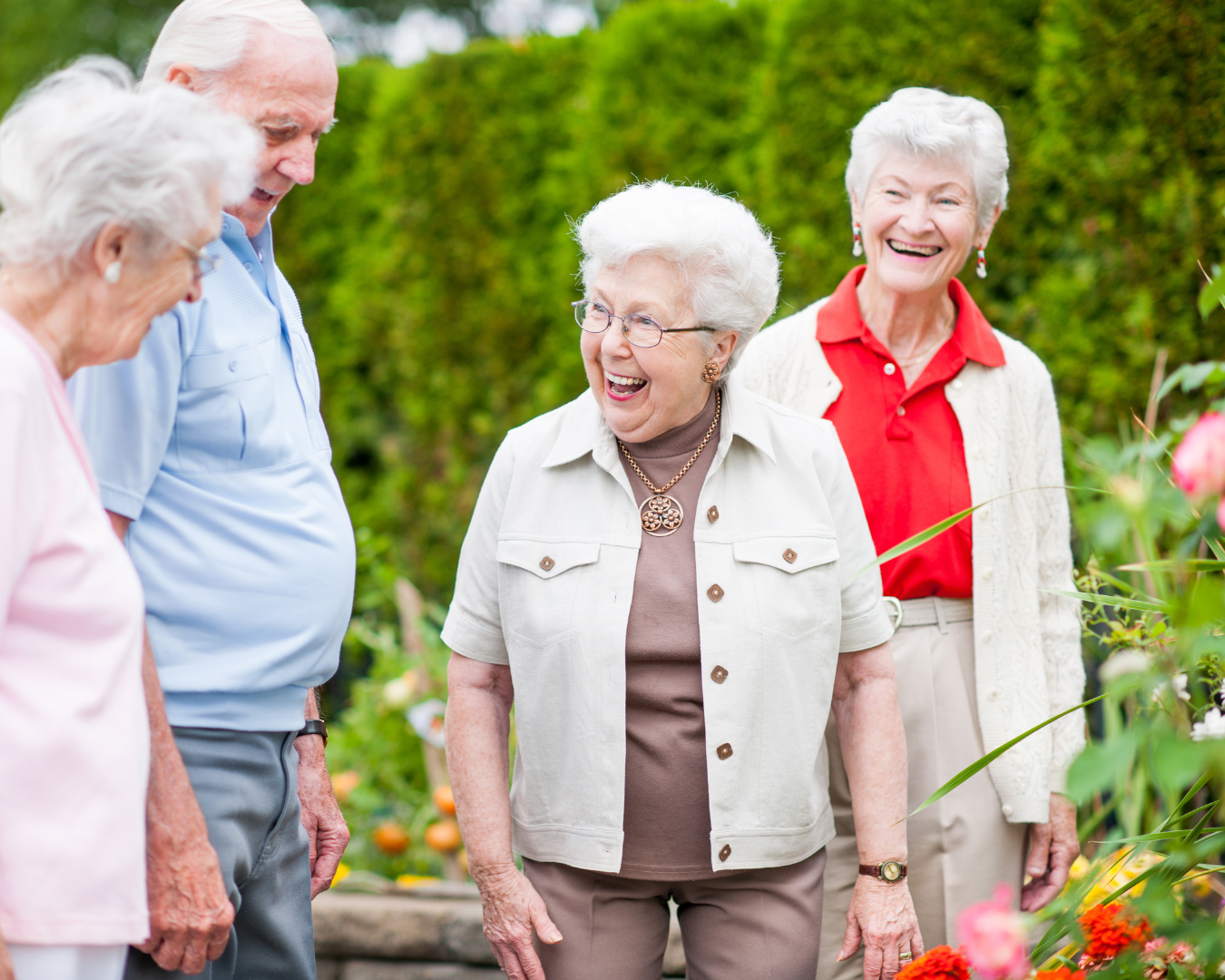
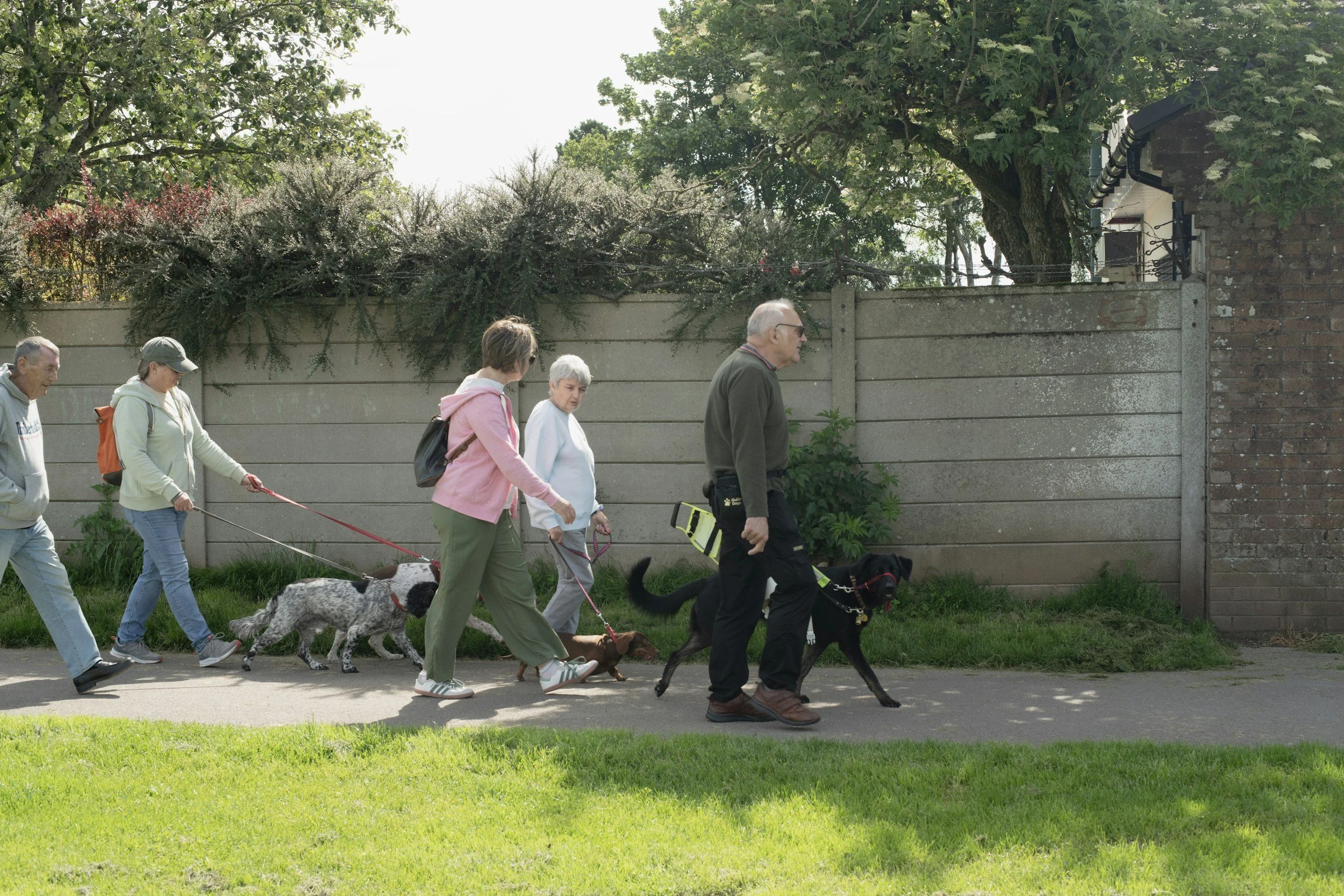
Research shows that social engagement is critical to healthy aging. Senior living architecture must create spaces that naturally bring people together. Inviting lobbies, lounges, and common rooms with good acoustics, comfortable seating, and natural light encourages conversation and community. Outdoor patios, walking paths, and shared gardens also provide opportunities for casual interaction while supporting physical activity.
Staff Respite and Wellness Areas
Wellness-centered senior living design also includes spaces for staff. Caregivers face stress and emotional demands, and they need environments that support their well-being. Many modern senior housing designs include quiet staff retreats separate from break rooms. These spaces may feature soft lighting, calming music, comfortable seating, massage chairs, and access to private outdoor areas. Supporting staff wellness improves morale, retention, and quality of care for residents.
Reliable Maintenance and Communication
Trust in a senior living community depends on reliability. HVAC issues, plumbing problems, or technology failures can increase anxiety if not addressed quickly. Senior living communities benefit from clear communication systems that send text or email updates about maintenance issues, safety alerts, or service disruptions. Letting residents know what is happening—and when it will be fixed—helps reduce stress and builds confidence.
Safety and Security Without Restriction
Safety is essential in senior housing design, but it must not feel institutional. Senior living architecture should balance security with freedom of movement. Good design uses landscaping to define boundaries while keeping sightlines open. Entryways and lobbies should allow staff to observe activity easily. Hallways, stairwells, and alcoves should be open and well-lit to eliminate hidden areas—all while maintaining a warm, residential feel.
Supporting Autonomy and Independence
Moving into a senior living community often means leaving behind familiar routines. Senior living design must support independence and personal choice. Campuses should be easy to navigate, with clear signage, intuitive layouts, and convenient access to dining, shopping, and entertainment. Providing transportation options and walkable environments allows residents to stay active and engaged in daily life.
Inclusive and Engaging Communities
Inclusivity is a core goal of senior living community design. Indoor and outdoor gathering spaces help residents feel connected, but programming is equally important. Communities can include spaces for intergenerational activities, pop-up shops, community gardens, workshops, and local events. These features strengthen a sense of belonging and connect residents with the broader community.
Design Principles That Support Mental Health
Design strategies used in behavioral health facilities also benefit senior living communities, including:
Clean, uncluttered, well-maintained spaces
Opportunities for personalization and self-expression
Predictable daily rhythms in shared areas
Spaces that encourage active participation
Control over lighting, sound, and temperature
Areas that support privacy and quiet reflection
Designing for a Healthier Future
Aging brings challenges, such as loss of independence, physical limitations, and health concerns, which can increase the risk of depression and anxiety. But senior living communities designed with intention can make a meaningful difference.
When senior living architecture and interior design focus on comfort, safety, social connection, purpose, and emotional well-being, they create environments where residents can thrive. Thoughtful senior housing design doesn’t just house people, it supports dignity, independence, and a fulfilling life.
For more information:
Pi Architects | Contact us here or call us at 512-231-1910.
Recent Insights