Boosting Biophilia in Age-Friendly Spaces
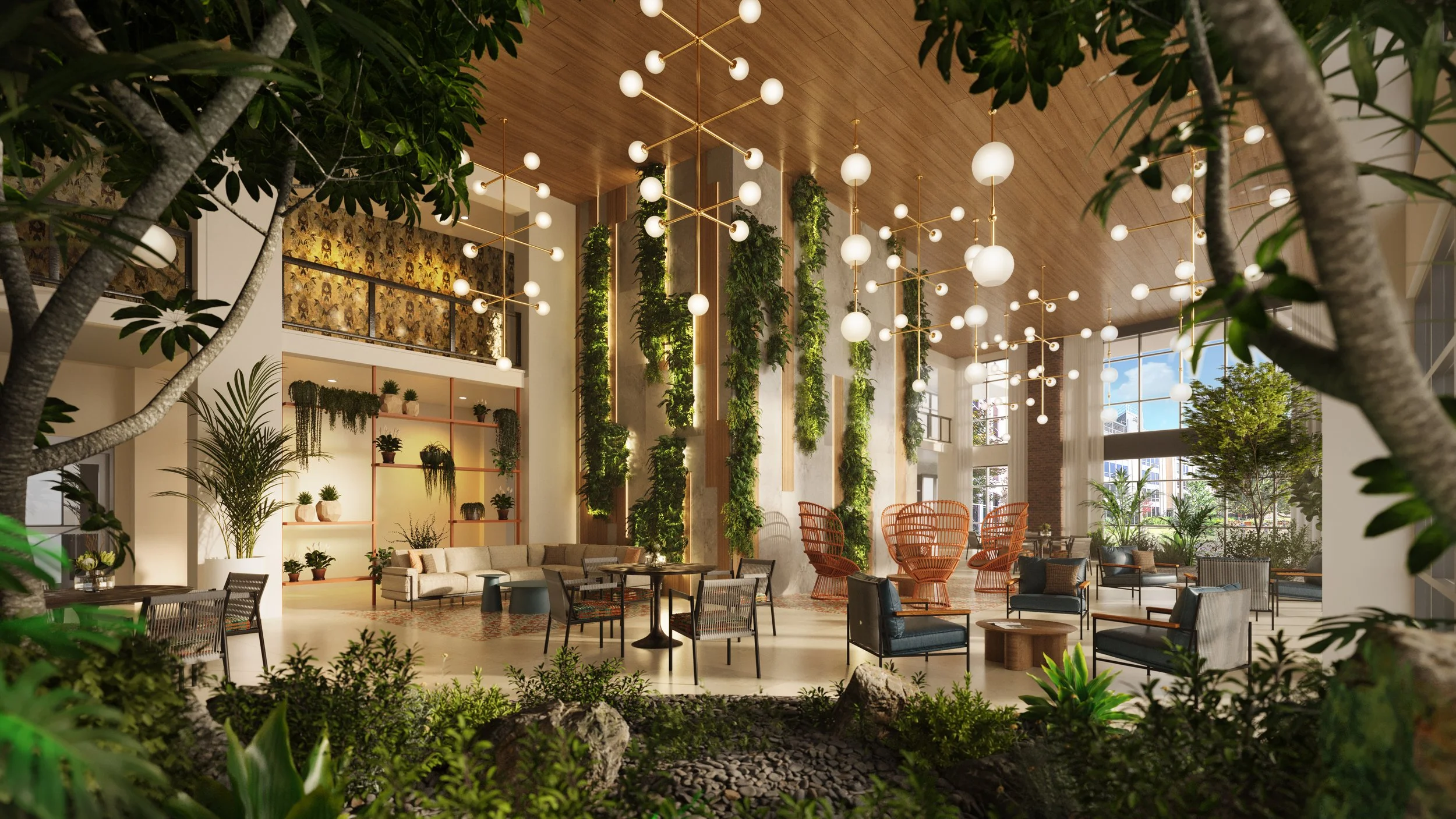
Biophilic design, the integration of natural elements into architecture and interior spaces, is not only aesthetically pleasing and textural; it can have a significant impact on emotional, mental, and even physical health. Finding ways to integrate biophilic elements into the buildings we design provides opportunities to create spaces that are not only unique but that elevate the experience of residents, staff, and visitors alike.
Traditional design tends to treat the spaces outside and inside the building footprint as separate. Landscape design and natural elements often stop at the edges, while the interior of a building is designed independently, creating a conflict of design languages at best, or two incompatible systems at worst. This has a significant impact on the quality of the experience for users because while they may not identify the specific cause, they do recognize the disconnect between the spaces they inhabit. No matter how well designed, a building is not experienced in isolation. Whether they are driving up and parking, walking up to the main entrance, or simply enjoying a walk on a sunny afternoon, the design of the area surrounding the structure is critical to the project’s overall quality. Introducing biophilic design elements can help blend these spaces together in a seamless experience that highlights the transition space as a feature instead of an afterthought.
Recently, biophilic design has become increasingly popular in senior living and other environments, as a growing number of people seek stronger connections to nature and prefer spaces enriched with plants and greenery. The concept of biophilic design was introduced in the 1980s by Edward Wilson. Since then, it has grown in popularity as the increased benefits become apparent. These include:
Supports sharper thinking and creativity. One study showed that adding biophilic design elements to an office increased employee productivity by 15%. Other research has demonstrated that exposure to plants, as well as natural light, boosts brain function, mental clarity, and creativity.
Helps regulate sleep-wake cycles. Sunlight is a key part of biophilic design, not only contributing to better sleep but also enhancing our alertness and focus during the day.
Reduces stress and enhances cognition. Biophilic design provides opportunities for connections with nature via sight, sound, and touch. Studies have shown this to be calming. This connection also triggers greater mental alertness, according to some researchers.
Improves physical health. Interactions with nature and natural elements have been linked to quicker recovery from some illnesses and a deterrent to others, such as Seasonal Affective Disorder.
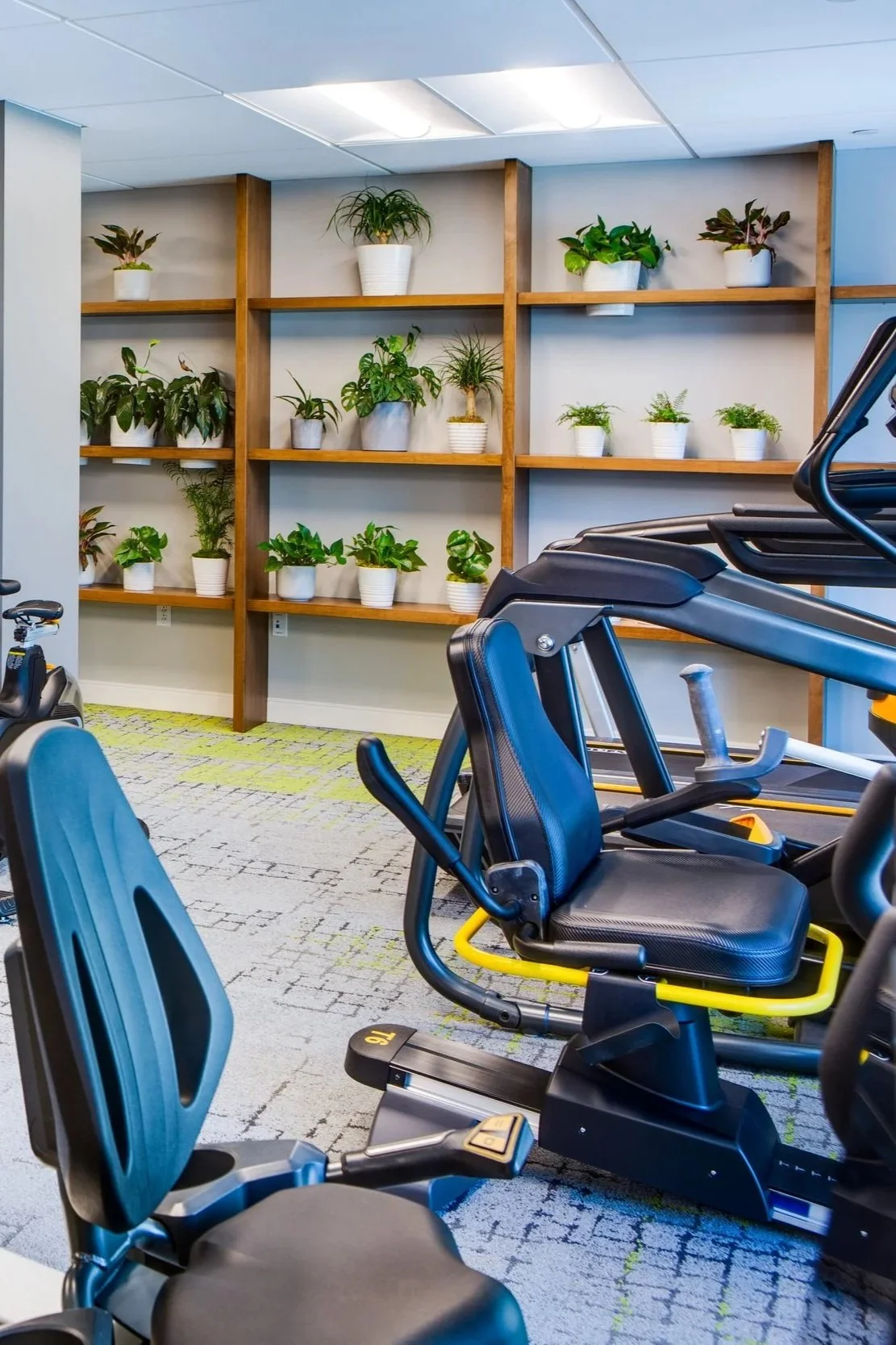
It is important to note that “biophilic design is not a single element; it is a spectrum of choices that allows us to enhance any space at any budget” (Biophilic Design, 2026).
“One of the most common reasons for not including biophilic design in a project is cost. Even when it is included, it often becomes one of the first things to get cut in the Value Engineering process,” said William Cook, an urban designer at Pi Architects. He added, “The challenge that designers face is communicating the benefits of these design decisions as something that increases the quality of the space as opposed to being a purely aesthetic decision that has no real impact on the project.”
Cook noted, “Introducing natural components and allowing the interior and exterior spaces to merge can be a powerful tool, not only visually, but can also be tied to an increased sense of wellbeing and overall resident satisfaction.”
At Pi, we view the design of our buildings not as isolated objects throughout a site, but as a single, coordinated, and integrated community. “Biophilic design elements provide a framework that allows a building to react to its surroundings in a manner that demonstrates a deeper understanding of the project’s location, the strengths and weaknesses of a site, and more importantly, a sense of belonging for the end user,” said Cook.
Our teams work with owners, developers, operators, and residents to create the best environment for our communities by designing intentional, thoughtful, and efficient spaces. We recognize the importance of applying the latest research and best practices to our communities, creating environments that actively promote and support both wellness and longevity.
Pi Architects | Contact us here or call us at 512-231-1910.
Recent Insights