Active Aging is the New Normal
Aging is no longer a bad word. We are all getting older; however, staying active, seeking ways to live longer, better, and staying connected with family and friends is an ongoing trend. As a result, we are increasingly attracted to senior living communities for our family members or ourselves that promote and support these wellness expectations.
Our thought process: Aging isn’t synonymous with decline, particularly with the right approach to exercise and nutrition. Nutrition and exercise have a proven impact on health span, as borne out by years of research. It is well established that healthy nutrition and physical activity are key lifestyle factors that modulate lifelong health, according to the author of “Integrated Role of Nutrition and Physical Activity for Lifelong Health”.
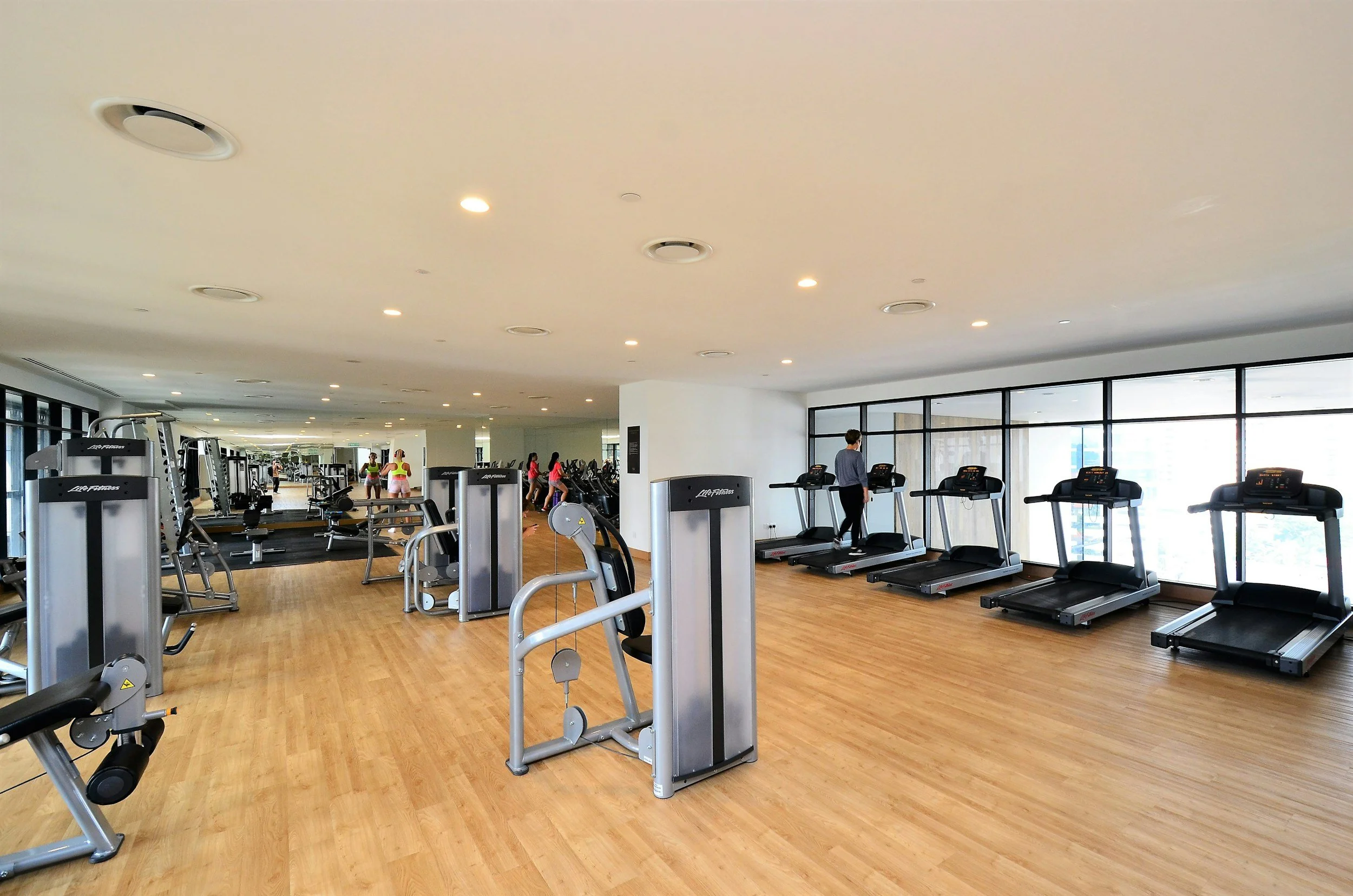
Older adults who prioritize longevity and aging well seek senior living options that enable them to accomplish their life goals. Increasingly, this means settings with not only a fitness center but a wellness center that provides activities, services, and education that promote health and well-being. This may mean a spa-like setting that offers services like red light or cold therapy, along with traditional services such as facials and massages. Residents should be able to pick and choose the services and amenities they want and receive personalized, focused wellness support.
Several key elements of an effective wellness effort in senior living include:
Identification of areas/spaces available for new wellness programming. If some programs or amenities can’t be held onsite, consider adjacencies and partnerships to enable easy resident participation. Each person needs a simple program that meets them where they are and is enjoyable to follow.
A vibrant, engaged community. The wellness center becomes a part of a daily routine that is never missed. It’s where the community gathers, engages in shared activities, and learns together about health and wellbeing.
Top-notch staff. This not only means people who are skilled and well-trained, but also individuals who know the residents and are engaged in the community.
Strong resident participation. Encourage strong resident participation while ensuring programs are inclusive of individuals with physical or cognitive limitations. Data from the U.S. Department of Health and Human Services show that 41.3% of older adults with reduced function still take part in light, moderate, or vigorous leisure-time physical activity, highlighting the importance of offering adaptable options.
Ability to set goals and track progress. Support residents in setting personalized goals and tracking their progress. Through wearable devices, online portals, or other tools, residents should be able to monitor outcomes, adjust their wellness plans, add or remove activities, and celebrate milestones. Access to this information helps establish a clear starting point, guides program decisions, and advances not only physical health objectives but also overall mental and emotional well-being.
Be creative. Each community is different. Consider programs or activities most likely to appeal to residents, involve the community at large (including intergenerational efforts), and align with the physical environment. Bring in local experts for educational programs, support pop-up stores for appropriate fitness and wellness organizations/vendors, utilize the special skills, knowledge, and experience of residents and family members, etc. The little things affect quality of life, so pay attention to details, including quick response to residents’ questions, concerns, and requests.
A growing number of senior living communities want to attract a younger, healthier audience that wants programs to keep them healthier and enable them to live longer and better. To meet the needs and demands of these residents, communities need to assess their amenities and services and identify gaps that need to be filled.
Pi Architects | Contact us here or call us at 512-231-1910.
Recent Insights