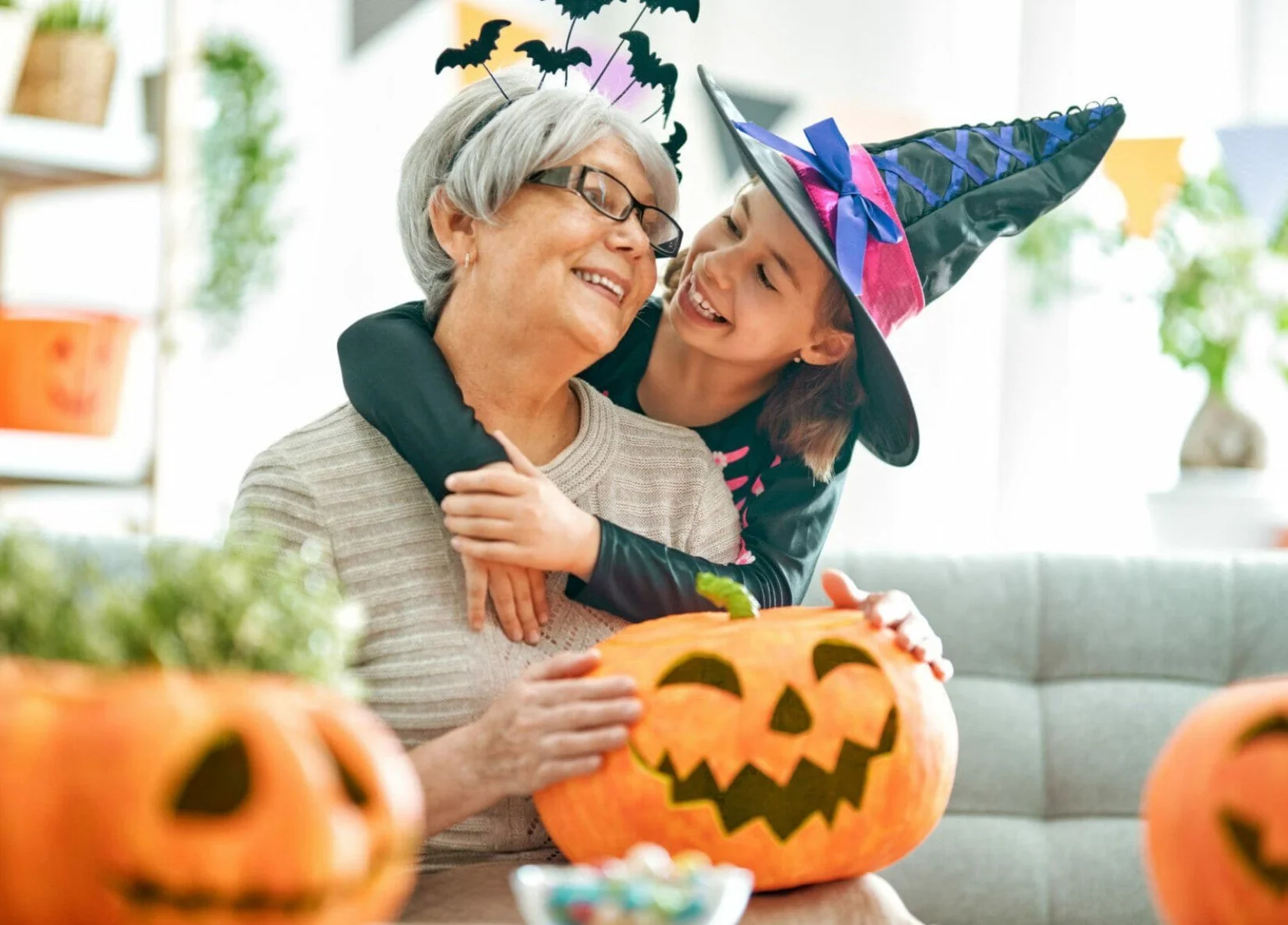
As winter sets in and daylight decreases, senior living residents are at risk for seasonal affective disorder (SAD), a condition that endangers their health.
Seasonal affective disorder (SAD) is a form of depression that can occur at any time of year, but it is most common during the winter months. Symptoms may include low energy, changes in appetite and sleep patterns, mood swings, irritability, and a loss of interest in social activities or spending time with others. Some people may also experience difficulty concentrating or brain fog. Although SAD affects many older adults, it can easily go unnoticed or be mistaken for other age-related changes, making it important to recognize the signs and address them.
Less Light, More SADness
SAD is most often associated with reduced sunlight exposure. Winter months have shorter days, and the winter solstice positions the sun lower in the sky; add snow, cold, and less time outside, and there is less exposure to sunlight. This affects serotonin and vitamin D levels and melatonin production, which, combined with isolation, can lead to loneliness or even depression. Chronic illnesses such as Alzheimer’s disease, Parkinson’s disease, and arthritis are all amplified with these deficiencies, making seniors especially susceptible to SAD.
Preventing and managing SAD is important for the mental and physical health of residents. Signs can include radical mood swings, behavioral issues, social reclusiveness, anxiety, disorientation, cognitive impairment, fatigue, changes in sleep, and weight gain or loss. All of these symptoms combined with chronic conditions can lead to a decrease in stability, falls, and overall decline in health, or hospitalization or premature transfer to elevated care homes.
Attention to this condition has been heightened since the pandemic, when similar extended isolation increased the effects of S.A.D. Post-pandemic, there is an emphasis on preventing S.A.D. through changes in resident environments.
Community Design Matters
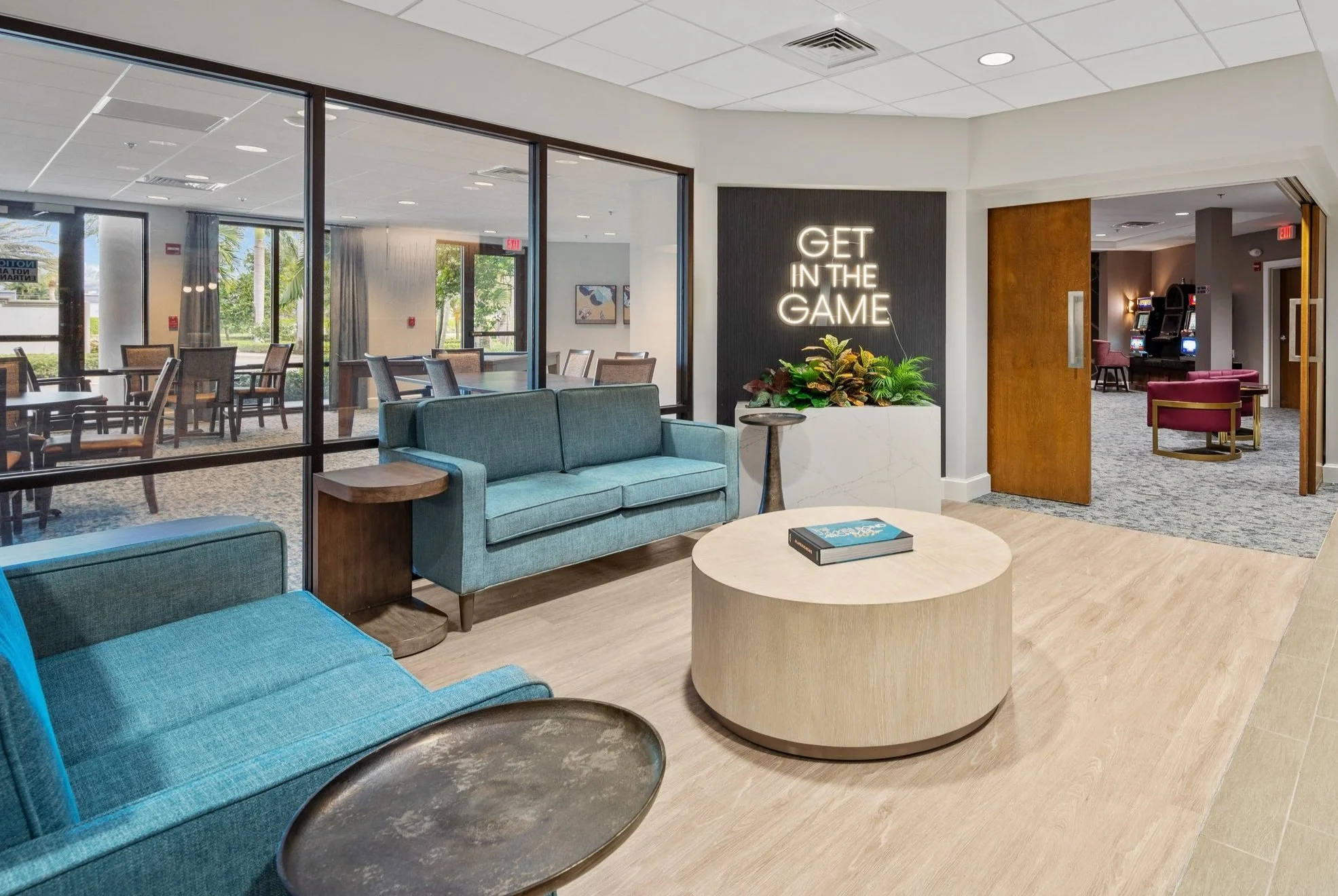
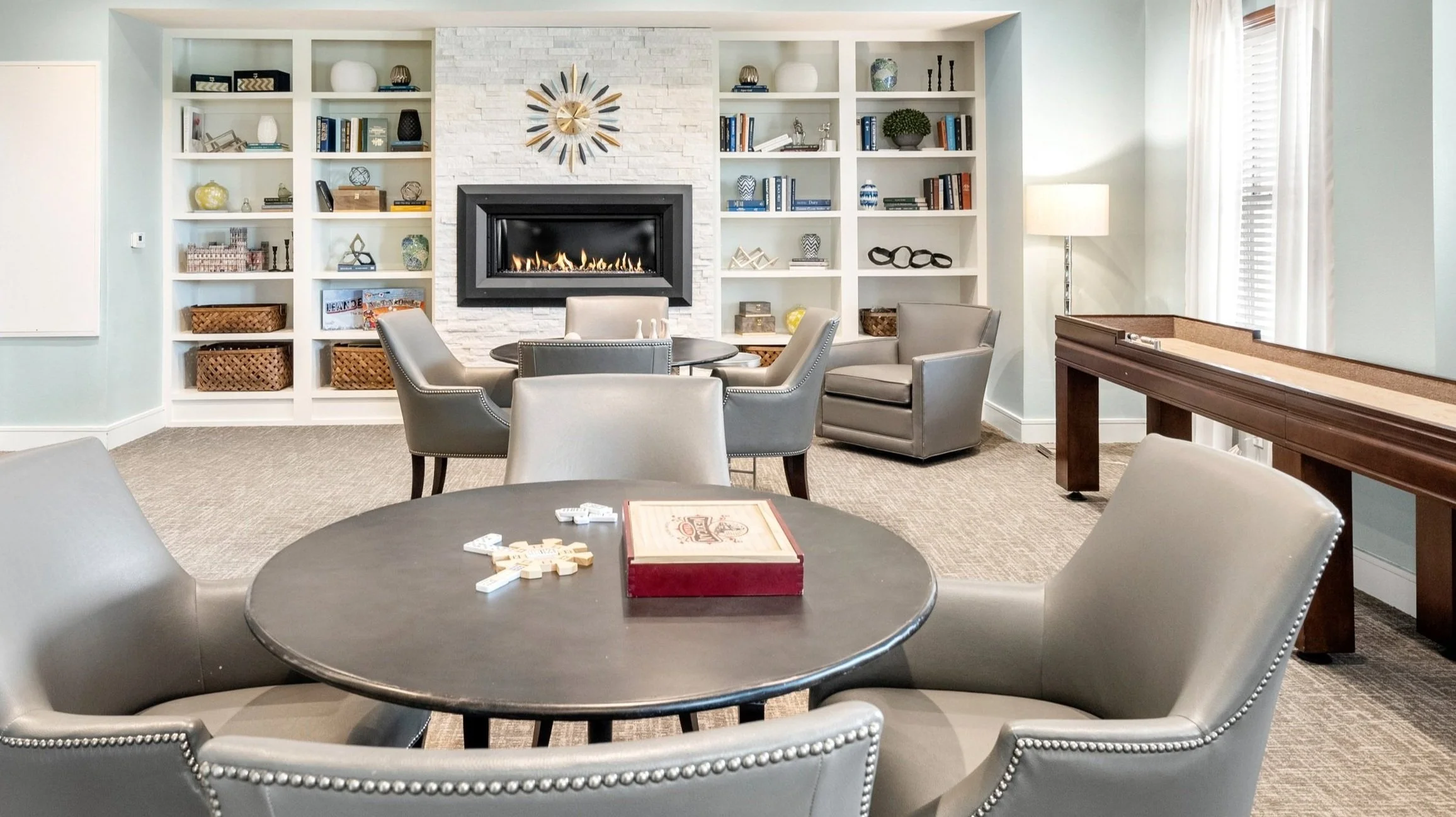
Residents choose senior living communities for more than access to care and convenience. The social environment plays an equally important role in their overall quality of life. Traditionally, communities were designed to resemble the homes and familiar surroundings residents were leaving behind. While creating a sense of comfort and familiarity is important, design must also encourage connection, interaction, and engagement. Pi works alongside the community to create thoughtful spaces and programming that bring people together. The goal is to design welcoming, active communal spaces that encourage social interaction, foster relationships, and help residents feel connected to their community.
Consider these strategic approaches:
Maximize natural daylight by incorporating well-insulated windows, skylights, and glass doors that bring sunlight indoors without adding unwanted heat. North-facing windows can help limit heat gain while still providing consistent natural light. Some direct sunlight can also be beneficial, as long as glare and excess heat are managed through design features such as arbors, extended roof overhangs, sunscreens, and sun shelves.
Create sunrooms and indoor-outdoor spaces in common areas that offer the comfort of a climate-controlled environment while bringing the look and feel of the outdoors inside. These spaces can help residents feel more connected to nature throughout the year. Large, operable glass doors can further enhance the experience by opening the space to the outdoors when weather permits.
Use ambient lighting or circadian lighting systems that mimic the natural progression of daylight throughout the day. The goal is to create a warm, inviting atmosphere while supporting residents’ natural sleep-wake cycles. In the early morning and evening, warmer lighting in the 2,500–3,000 Kelvin range creates a softer, more calming environment. During the middle of the day, cooler, brighter lighting in the 4,000–5,000 Kelvin range more closely resembles natural daylight. This approach to lighting can help encourage daytime activity, support residents’ natural circadian rhythms, and promote better sleep at night.
Since SAD can adversely affect appetite, promoting a variety of dining options can stimulate community dining. Offering multiple settings for the different meals of the day combined with events often promotes the social aspects of community eating. Breakfast or brunch on the patio with the book club, lunch on the lawn with food trucks while residents learn about nature, and dining in a space with live music all enhance activity with food and community. Themed meals, which have demonstrations from the chef, also have an educational component. During the winter months, offering meals rich in vitamins D, B, and A can help support residents’ overall health and well-being. These nutritious options should be available in a variety of ways, including grab-and-go choices, cooking demonstrations, and traditional dining settings. The holidays also tend to bring plenty of sweets and treats. Communities can help maintain a healthy balance by offering treats in moderation and spacing out special events rather than scheduling them back-to-back.
If winter weather makes outdoor activities difficult or impossible, find creative ways to engage residents indoors. Encourage and enable physical activity with efforts such as walking groups, indoor badminton or volleyball (with an inflatable beach ball), dance parties, and scavenger hunts. Invite families to join in and participate with their loved ones, friends, and family members. Field trips to indoor venues, winter lighting displays, and musical events can provide moments of anticipation and activity. Integrating with bag lunches promotes food with festivities.
Winter should be a season of connection, comfort, and joy for older adults, not a time of isolation or diminished engagement. For residents in senior living and long-term care communities, especially those with limited family support, the environment around them can make a meaningful difference in their emotional well-being. Addressing seasonal affective disorder requires a team effort, from thoughtful programming and social opportunities to intentional design choices that bring in natural light, encourage activity, and foster connection.
At Pi Architects, we believe innovative senior living design creates environments where people feel connected, engaged, and at home throughout every season. Through thoughtful architecture, interior design, and planning, we help senior living communities support resident wellness and create spaces where older adults can truly thrive.
Pi Architects | Contact us here or call us at 512-231-1910.
Recent Insights