The Master Planning Roadmap: Navigating Growth with Confidence
Master planning brings clarity and vision, creating a roadmap to transform organizations based on community needs, realistic costs, and long-term growth.
Keep these guiding principles in mind to ensure your master plan illuminates your organization's path, prepares you for surprises, and considers all relevant factors.
Standardization is key. This is where all the ‘I’s’ are dotted and ‘T’s’ are crossed. It helps promote efficient and cost-effective buildings, utilizing experience to avoid unpleasant surprises, such as recreational amenities that go unused or renovations that look good but create more work for staff or will be obsolete in five years. Standardization removes many of the unknowns, enhances the ability to control the future to some degree, and doesn’t reinvent the wheel.
A strong master plan is comprehensive. It creates a larger picture that considers issues including the building’s or community’s target population, economy/budgets, transportation capabilities, environmental considerations, and the demographics and history of the surrounding area.
Flexibility, not rigidity, is a feature. A good master plan enables flexibility and the ability to pivot when barriers pop up or goals or visions change. As Mark Warrick, AIA, LEED AP, Pi vice president, said, “One common myth is that a master plan is a fixed document, but it is more of a fluid process that takes into account what you know about the future but allows for change as necessary and appropriate.” Master planning typically involves several phases, including project initiation, stakeholder engagement, site analysis, and implementation.
Input up front is essential. Ensure everyone on the team is engaged, heard, and appropriately involved. “You want to get feedback from everybody, just as you do for repositioning. However, it’s more strategic, and you’re thinking deeper and more long-term,” said Warrick.
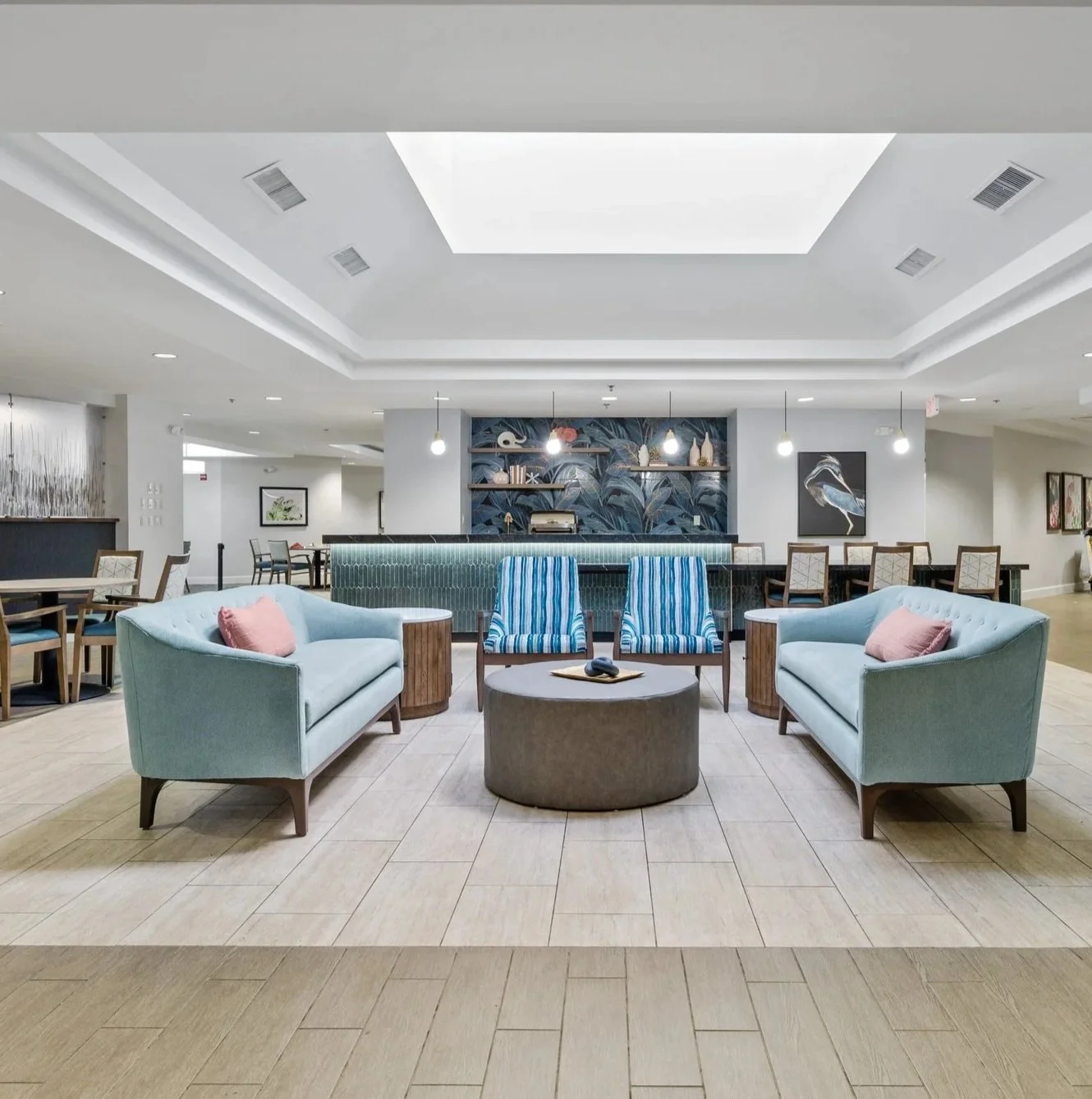
Money matters, but not exclusively. You must maintain realistic financial control over the project to ensure it aligns with strategic objectives, manages costs effectively, and allocates resources appropriately. The master plan provides a benchmark against which results can be compared. “You don’t necessarily want to be constrained by the dollars, although budgets will guide the project through the phases,” said Warrick. The project’s architects, designers, builders, and financial experts should be part of the budgeting process. They will listen to your vision and goals for the community and collaborate with you to bring them to life in a financially sustainable way. They will also keep you from wasting money by, for example, investing heavily in upgrading an HVAC system that will need to be replaced in five years or building pickleball courts when your existing tennis courts are going unused.
Experience counts, so build a trusted team. Once you assemble a good team, there are many benefits to using them for multiple projects instead of starting from scratch every time. This team excels at collaboration and communication, understands how to avoid common pitfalls and control costs, is well-equipped to overcome challenges and obstacles, and is deeply aligned with your organization’s vision and mission.
Take a bird’s eye view. Warrick said, “Take in all the factors, including things that make sense from the sustainability side of things, an economic side, a maintenance standpoint, and an environmental side.” This will help ensure your decisions are practical, achievable, and based in reality. For example, certain plants, grasses, and foliage may be beautiful and fragrant, but they are also high maintenance and don’t do well in various climates. “Bring everybody to the table and start talking about what you want. You might have a great idea, but when you go through the master planning, you realize that it won’t work as you envision it,” said Warrick. The team may devise a way to make it work, or they may come up with viable alternatives.
Don’t forget to include the marketing team. “They can have significant input on what people are looking for and what prospective residents want – and don’t want – in a senior living community,” said Warrick. For instance, it may be a waste of money to invest heavily in three-bedroom or large units when most prospects are seeking one-bedroom units or looking to downsize.
Have a plan B. This is where the flexibility of master planning comes in. If something takes more time or costs more than you anticipated, the master plan – and your planning team – should be able to quickly devise a plan B. For example, if residents won’t be able to use a popular common space during the holidays, provide a viable alternative space. If you realize that you can’t afford both a coffee shop and a bar, equip a space to be a coffee shop in the morning and midday and a bar in the evening; or arrange for a food truck – with coffee and breakfast service – to come by the building every day. Ultimately, said Warrick, “Have contingencies for when things take longer than you expected or won’t work the way you anticipated. A good, experienced team can have a tremendous impact here.”