Supporting Senior Living Residents’ Wellness Journey
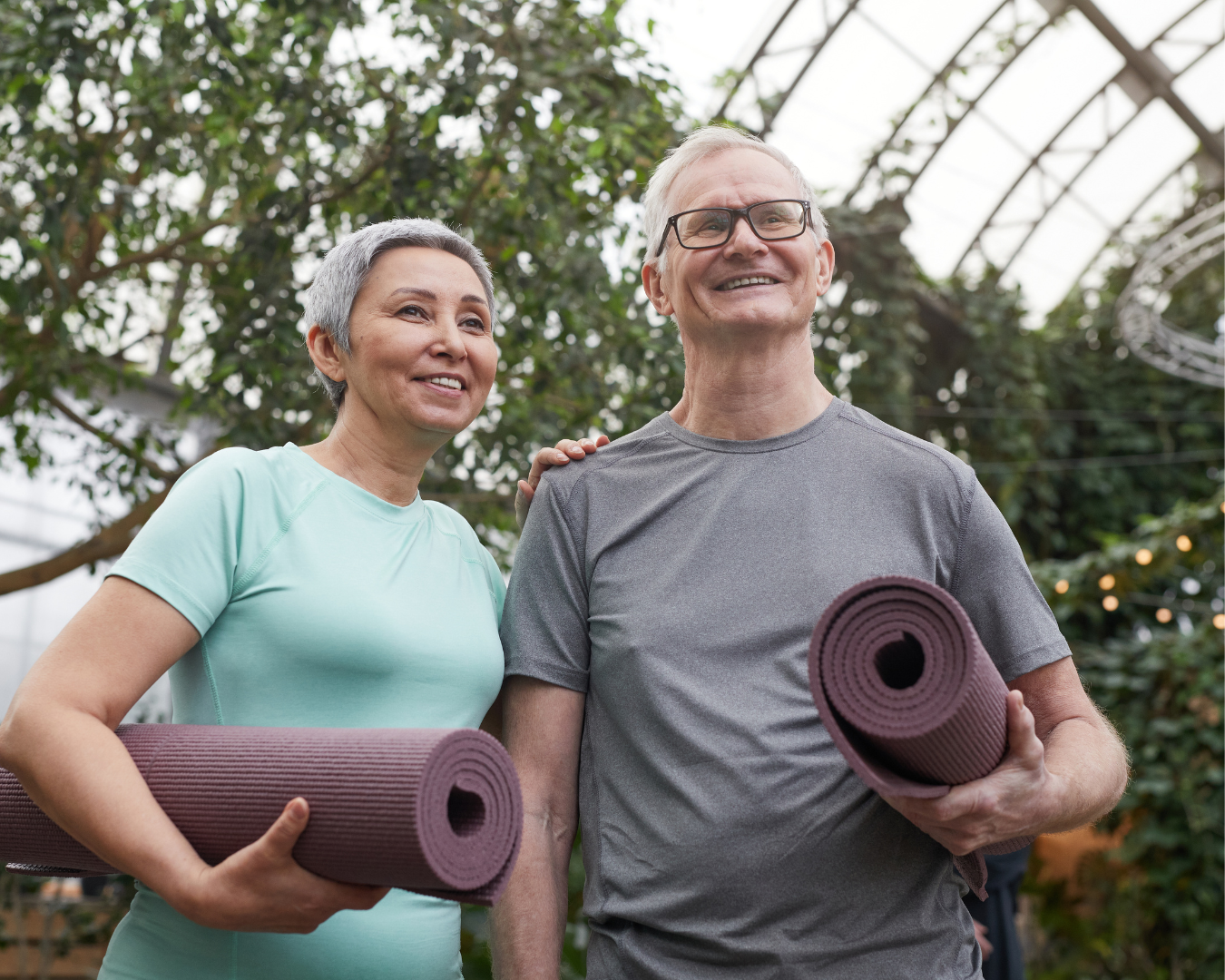
Supporting senior living residents’ wellness journey means more than giving them a map and pointing them in the right direction. It means giving them the tools, resources, and guidance to envision the course of their journey and how they travel safely with joy and engagement.
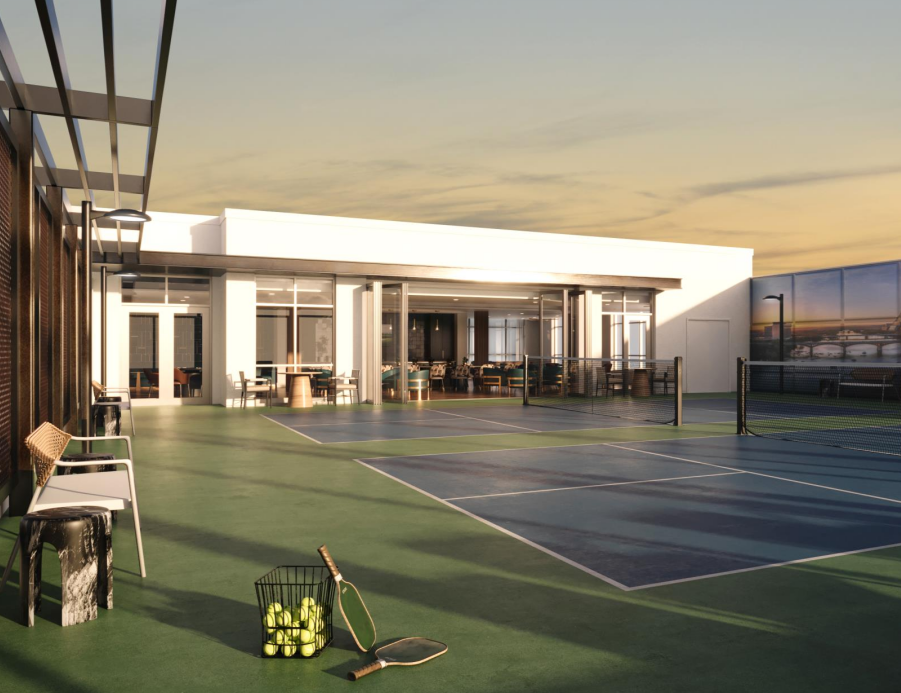
Wellness these days is more about keeping minds and bodies active, not as much about gyms and weightlifting. Residents want to be physically active with activities like pickleball, walking, and hiking, as well as classes like yoga and Zumba. Older adults who prioritize longevity and aging well seek senior living options that enable them to accomplish their life goals. Increasingly, this means settings with not only a fitness center but a wellness center that provides activities, services, and education that promote health and well-being. This may mean a spa-like setting that offers services like red light or cold therapy, along with traditional services such as facials and massages. Residents should be able to pick and choose the services and amenities they want and receive personalized, focused wellness support.
Here are five tips for breathing new life into residents’ wellness journey:
Amenities are most successful when they go beyond simply providing a space—they should inspire participation, connection, and excitement. For example, rather than simply installing a pickleball court and inviting residents to play, create opportunities that build interest and encourage engagement. Offer lessons and clinics, host a pop-up shop featuring paddles and apparel, plan a family pickleball day, organize friendly competitions between buildings or floors, or launch a tournament with prizes. The same approach can bring an art studio to life. Host resident art shows or silent auctions, feature resident artists on the community website, organize painting events, or create short videos showcasing artists and their creative process. By pairing amenities with thoughtful programming and opportunities for social connection, communities can transform underutilized spaces into vibrant hubs of activity.
Create a network of partnerships. Connect with area colleges and universities, churches, community organizations, and nonprofit groups to enable richer, more varied opportunities for learning, working, volunteering, exercising, and socializing. Engage residents to help lead and participate in these partnerships.
3. Identify community leaders. Knowing residents’ stories and backgrounds is an invaluable way to find individuals who could potentially teach classes, organize fundraising and other events, help plan menus, and raise fruits and vegetables.
4. Give walking trails pizazz and personality. Transform them into fitness trails with strength and bodyweight, cardio and agility, and balance and flexibility stations. Have different, fun stations with activities such as ball tosses, steps, and suspension-trainer anchors. Have games where residents collect a coupon at the stations and exchange them for free drinks or food.
5. State-of-the-art fitness centers are great, but only if people use them. Enable fun and innovative activities such as meditation/yoga classes, retro exercise classes (e.g., aerobics with ‘80s music, dance moves, and exercise outfits), dance classes, and fitness challenges. Arrange trips to batting cages, riding stables, and sports parks. Have onsite sports medicine, fitness coaching, and nutrition clinics to help residents develop individualized goals and plans.
Think beyond one-dimensional programming and consider multicomponent wellness efforts that combine cognitive, physical, and socialization components. They also want to stay socially active, with dinner parties, happy hours, special-interest groups and clubs. Opportunities to exercise the mind, socialize, and connect with others can be done through book clubs, discussion groups, on-site or virtual classes, and special-interest clubs. This also may mean working, mentoring, volunteering, or attending classes both virtually and in person. Offer opportunities to enjoy puzzles and brain games, memory exercises, and lifelong learning.
Pi Architects | Contact us here or call us at 512-231-1910.
Recent Insights