How Does Your Garden Grow: Creating Beautiful, Safe, and Sustainable Outdoor Spaces in Senior Living Communities
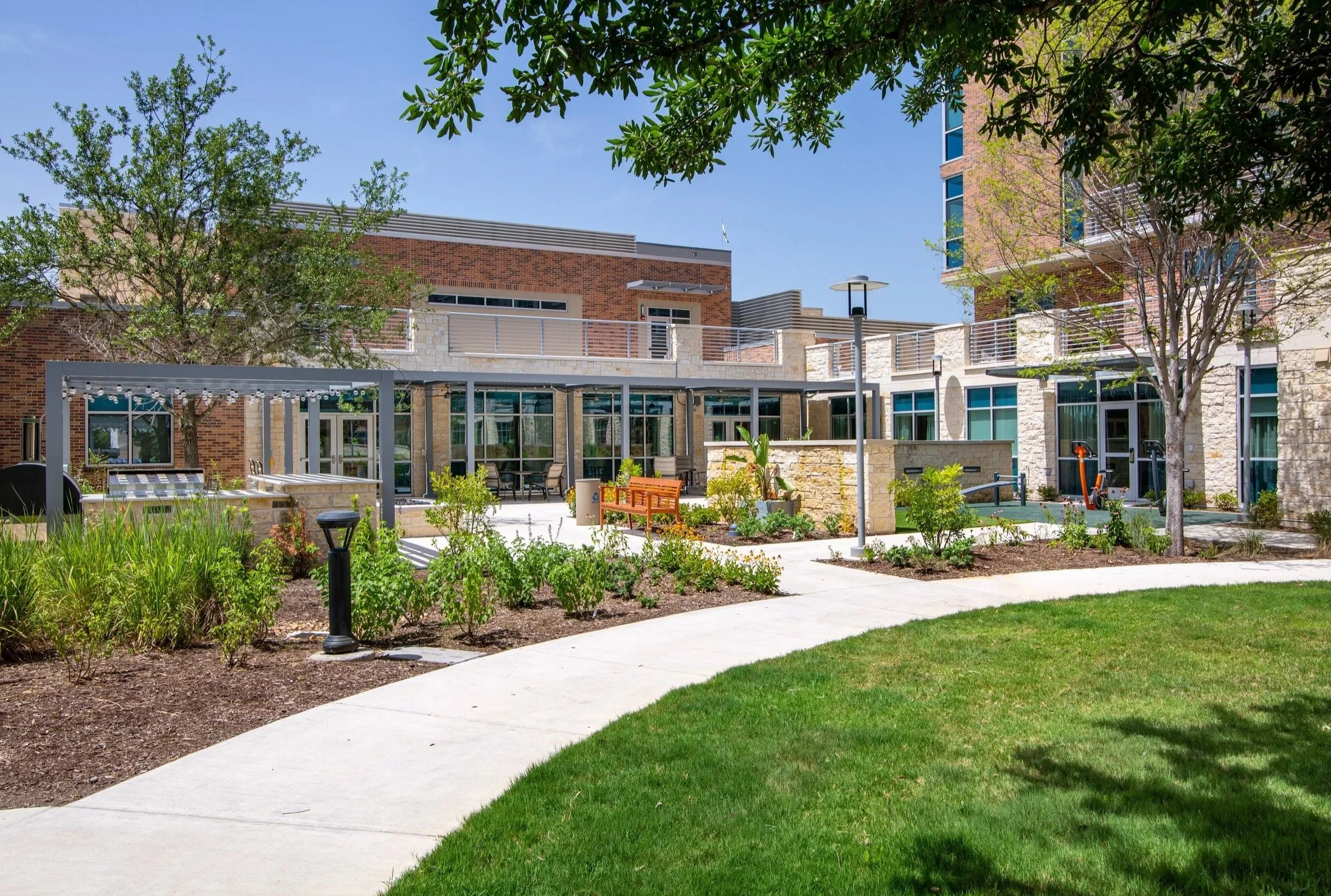
Summer is the perfect time to step outside and examine the landscapes that surround your community. Gardens, courtyards, walking paths, lawns, and patios are more than just visual amenities; they are extensions of the living environment. Well-designed outdoor spaces encourage residents to connect with nature, stay active, socialize with neighbors, and enjoy the health and wellness benefits that come from spending time outdoors. However, creating a successful landscape requires more than simply choosing attractive plants. The right selections can enhance beauty, support local ecosystems, reduce maintenance, and create safer environments for residents, families, and pets.

Here are several considerations for maintaining outdoor spaces that are both inviting and functional:
Use mosquito-repellent plants. Warm weather brings increased outdoor activity and, unfortunately, mosquitoes. Consider incorporating plants that naturally help deter these pests while adding beauty and fragrance to gardens and patios. Popular options include basil, lavender, thyme, mint, eucalyptus, and rosemary. It is also important to understand that some plants can unintentionally create more inviting environments for mosquitoes. Species such as water lilies, bamboo, taro, rubber plants, bromeliads, and aloe vera can contribute to conditions that attract these insects, especially when moisture is present.
Avoid aggressively spreading plants. These include bamboo, kudzu, mint, and English ivy. If you do plant any of these, use containers or barriers to prevent or limit spreading.
Consider the Long-Term Impact of Plant Choices. Some plants may be beautiful and/or easy to care for but are problematic for various reasons. For instance, butterfly bushes are visually appealing but invasive and compete with native species. Consider how various species will grow in your climate and soil conditions.
Avoid heavy pollen-producing plants. Outdoor spaces should be welcoming for everyone, including residents who experience seasonal allergies. While grass pollen is one of the most common triggers of allergy symptoms, many trees, flowers, and shrubs can also contribute. Common high-allergen trees include ash, beechwood, hickory, cottonwood, juniper, and elm. Some flowers, including daisies, chrysanthemums, marigolds, and sunflowers, may also trigger sensitivities. Better, low-allergen choices include begonias, clematis, crocuses, daffodils, geraniums, pansies, impatiens, dusty miller, petunias, tea roses, tulips, and zinnias.
Avoid plants that are potentially toxic for humans. Safety should always be a priority when designing landscapes for senior living communities. While professional landscapers are typically knowledgeable about plant safety, it is important to understand which species may pose risks if touched or consumed. These include oleander, lily of the valley, castor bean, deadly nightshade, doll’s eye, stinging nettle, and jimson weed. Careful plant selection helps create outdoor spaces where residents and visitors can explore confidently.
Avoid plants that are potentially toxic for dogs and other animals. Several common plants are toxic to dogs and can cause gastrointestinal issues or, worse, organ damage or death when consumed. These include Autumn crocus, azaleas, aloe, begonias, daffodils, lilies, tulips, hydrangea, holly, chrysanthemums, and English ivy. If you plant any of these, consider fencing them off where dogs and other pets can’t get to them and/or post warning signs for pet owners.
Choose low-maintenance plants that harmonize with local ecosystems. This means finding plants that are likely to thrive in the location’s sunlight, soil, and climate conditions. In general, seek plants that require minimal pruning and fertilization and group plants by water/sunlight requirements. A few low-maintenance plants include weigela, juniper, ornamental grasses, peonies, coneflower, Hosta, coral bells, and geraniums.
At Pi, we believe that excellent design is about more than the buildings and structures. It is about communities that are beautiful, comfortable, and safe inside and out. We have a team that will make that happen for you.
Pi Architects | Contact us here or call us at 512-231-1910.
Recent Insights