Ease Into Fall with Fun, Renovations, and Preparation
The Fun:
Fall is officially here, and before the holidays arrive, this is a time of transition. Take some time to help residents – and your community -- transition into autumn:
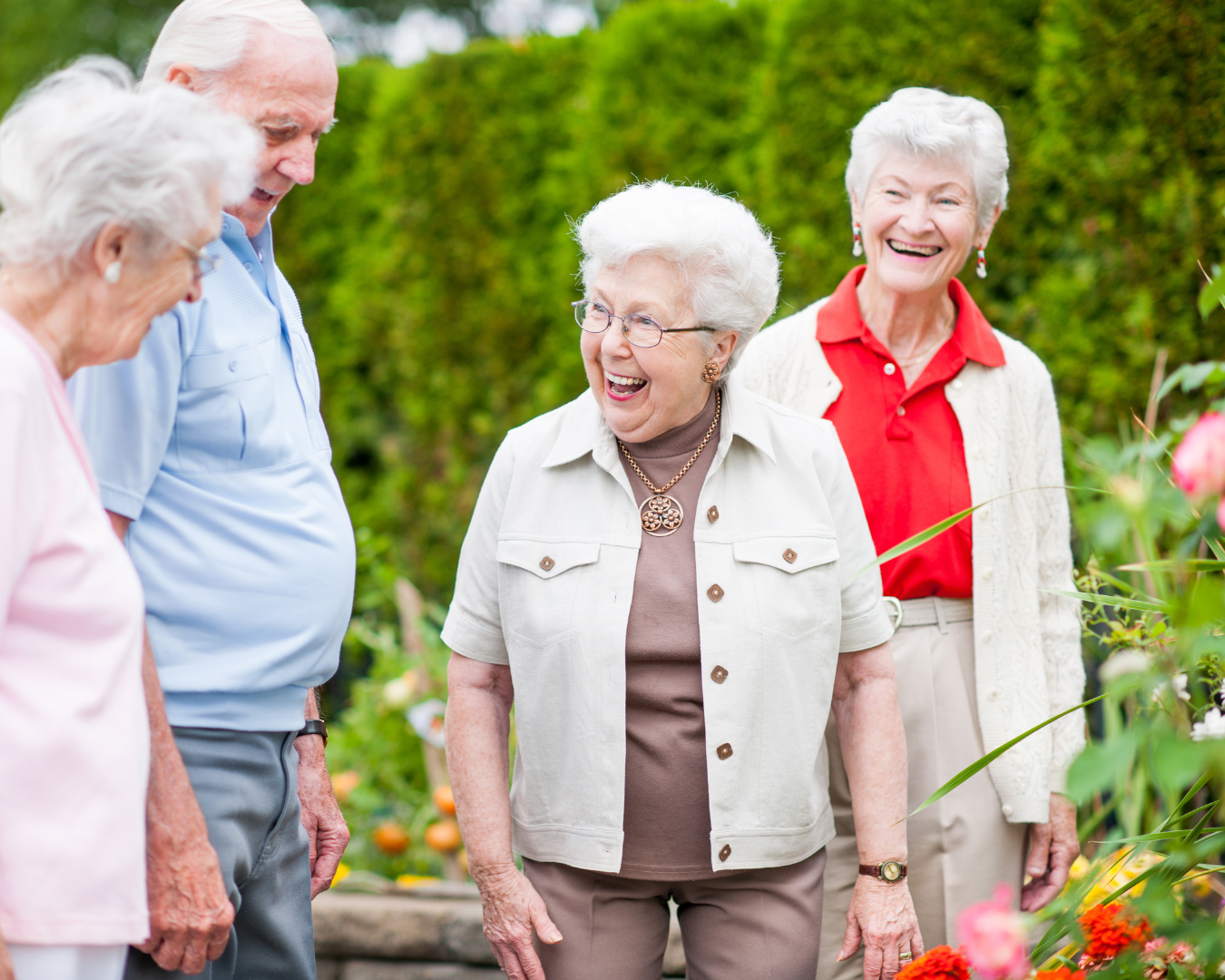
Capture those summer memories. Consider a storytelling event where residents get five minutes each to talk about their summer, what activities they enjoyed, who they spent their time with, places they went, etc. Not only does this give people an opportunity to share fond memories and happy times; it also lets staff learn more about residents. It’s a way to find out what amenities and programs are most likely to resonate with them moving forward.
Create a fall ‘bucket list.’ Ask residents to draft a list of things they would like to do this fall. Invite them to share one or more on a whiteboard or other platform. This gives people something to look forward to and provides community leadership with insights into residents’ interests and needs.
Refresh gardens and courtyards with some colorful fall foliage. Partner with a local nursery for a pop-up shop where residents can buy fall plants and gardening supplies.
Plan menu items using fall produce such as squash, pumpkins, and apples. Invite residents to submit favorite fall recipes and use them in menu planning at the community’s dining facilities.
Celebrate nostalgia. Hold some events that feature some old-fashioned fun. Such as hayrides, square dances, fall fairs (with a pie baking contest, games, and music), and sock hops.
Introduce some new amenities or programs. This can be large or small – a newly renovated party room or fitness center, new patio furniture, a new art class held in connection with a local university, or a refreshed schedule of classes and events.
Hold a summer send-off. Have a beach party or barbeque as one last summer hurrah.
The Renovation:
Fall is also a natural time to take a fresh look at a community’s spaces. As the seasons change and residents spend more time indoors, it’s an opportunity to rethink how spaces are being used and whether they still reflect the energy, personality, and lifestyle of the people who call the community home.
Renovation doesn’t mean starting from scratch; small but intentional changes can make a space feel completely different. The goal is to create spaces that are defined enough to have a purpose, but flexible enough to adapt throughout the day and across the seasons. Updating furniture, improving layouts, adding technology, or refreshing finishes can breathe new life into existing spaces without requiring a complete overhaul. Some popular renovation spaces are the lobby, dining areas, and multipurpose rooms.
The Lobby
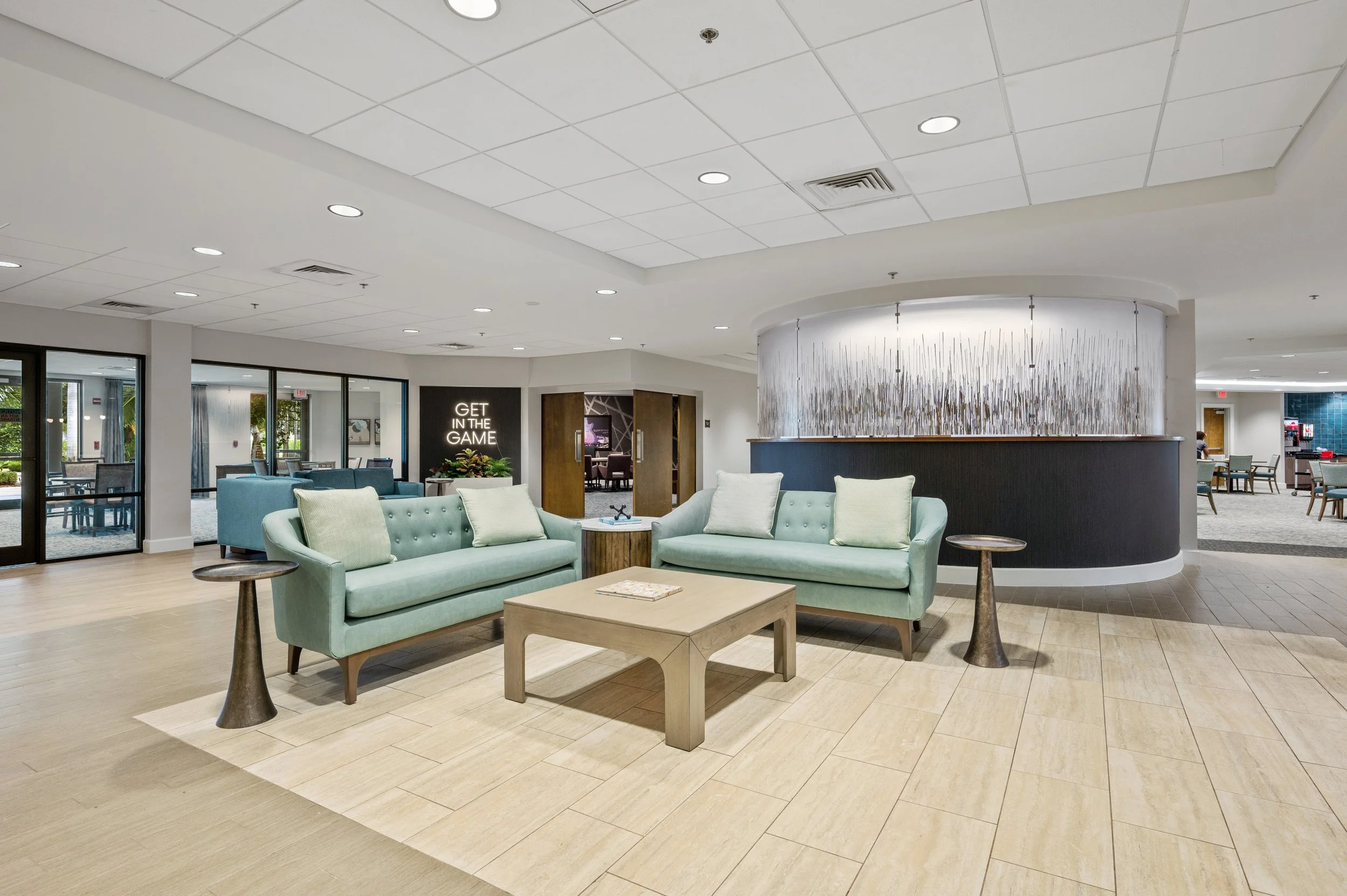
The lobby is often the first impression of a community, making it an important place to start. A fall refresh could include new furnishings, updated lighting, or a more welcoming seating arrangement that better reflects the character of the community. Because the lobby serves so many different people- residents, families, staff, and prospective residents- a mix of seating options can make the space more comfortable and useful for everyone.
The Dining Room, Bistro, and Lounge
Dining spaces are some of the busiest areas in a community, but they can serve purposes beyond mealtimes. Renovations can create more visual interest and flexibility through layered lighting, furniture groupings, and finishes that help define different areas.
A smaller bistro can offer a more casual setting with a mix of seating for coffee, conversation, or a quick meal. The lounge can provide a quieter place to relax, read, visit with family, or simply get away from the activity happening elsewhere in the community.
The Multipurpose Room
Multipurpose rooms can easily become the community’s “catch-all” space. With thoughtful redesign, however, they can become one of the most versatile and engaging spaces on campus. Think about movie nights, social dances, music performances, resident meetings, classes, or family events. Flexible furnishings such as stackable chairs and collapsible tables make it easier to transition the room from one activity to another, while durable, easy-to-clean flooring and integrated technology, such as a projector or screen, can support a wider range of programming.
The Preparation:
Fall is also a good time for community leadership to assess the grounds and buildings and prepare for the winter. This might include fixing drafty windows or doors, refreshing common areas with a fresh coat of paint or updated window treatments, scheduling routine HVAC maintenance, finding ways to winterize patios and courtyards, and making sure snow and ice removal equipment and supplies are ready when needed.
While it’s true that November and December are right around the corner, let people ease into the holidays. If they want to put up Halloween decorations in September or a Christmas tree in November, that’s part of making the community feel like home. However, it’s important not to push holiday décor or programming before residents are ready to embrace it.
Pi Architects | Contact us here or call us at 512-231-1910.

Recent Insights