World Alzheimer’s Awareness Month: Design Honors the People at the Heart of Alzheimer’s
Design Honors the People at the Heart of Alzheimer’s
Alois Alzheimer first presented his findings about brain abnormalities that became the foundation of Alzheimer’s disease as a specific diagnosis over 100 years ago. Since then, we have learned much about Alzheimer’s and other dementias. This World Alzheimer’s Month, Pi celebrates people everywhere living with this illness, and is proud to help design communities that contribute to their well-being and quality of life.
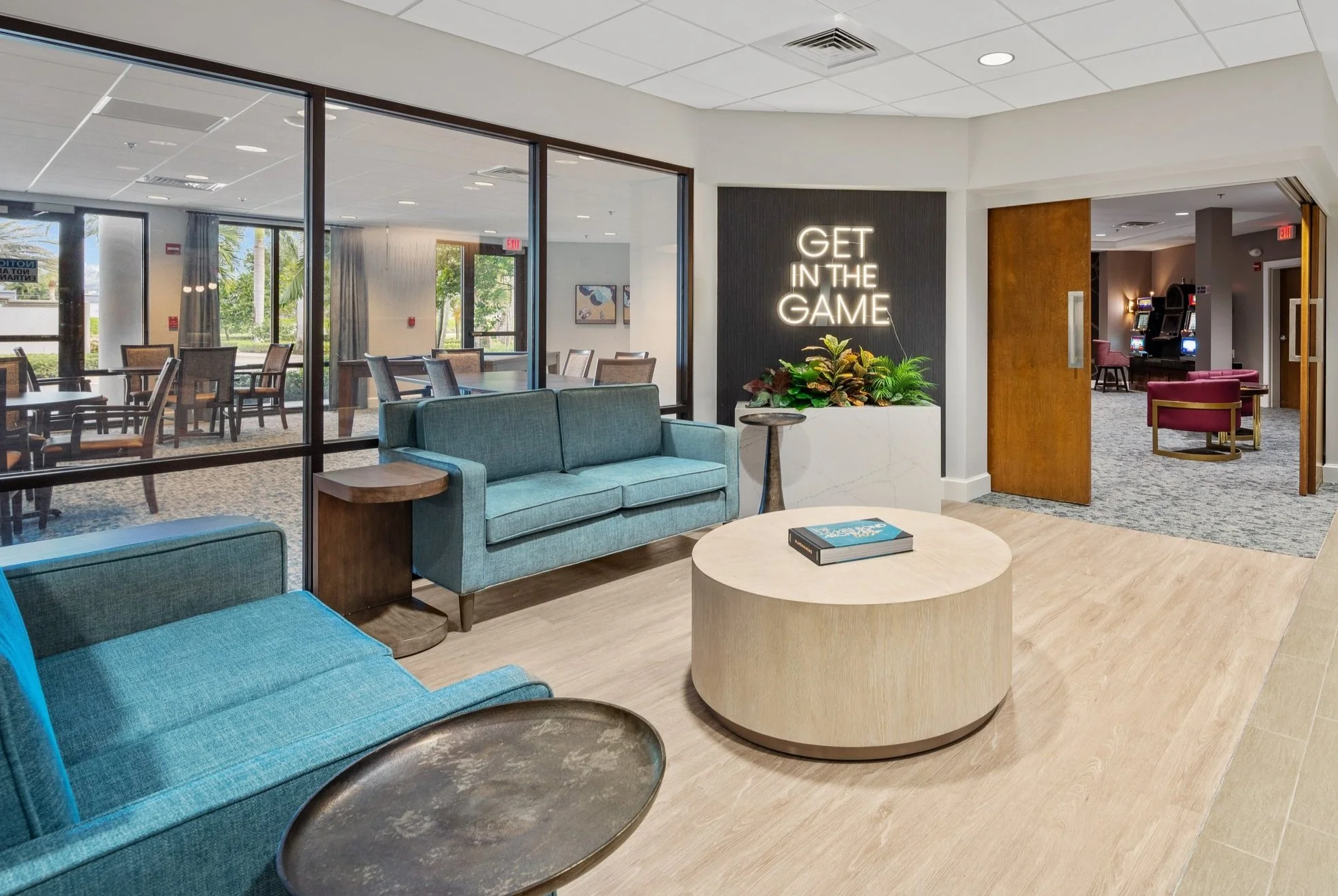
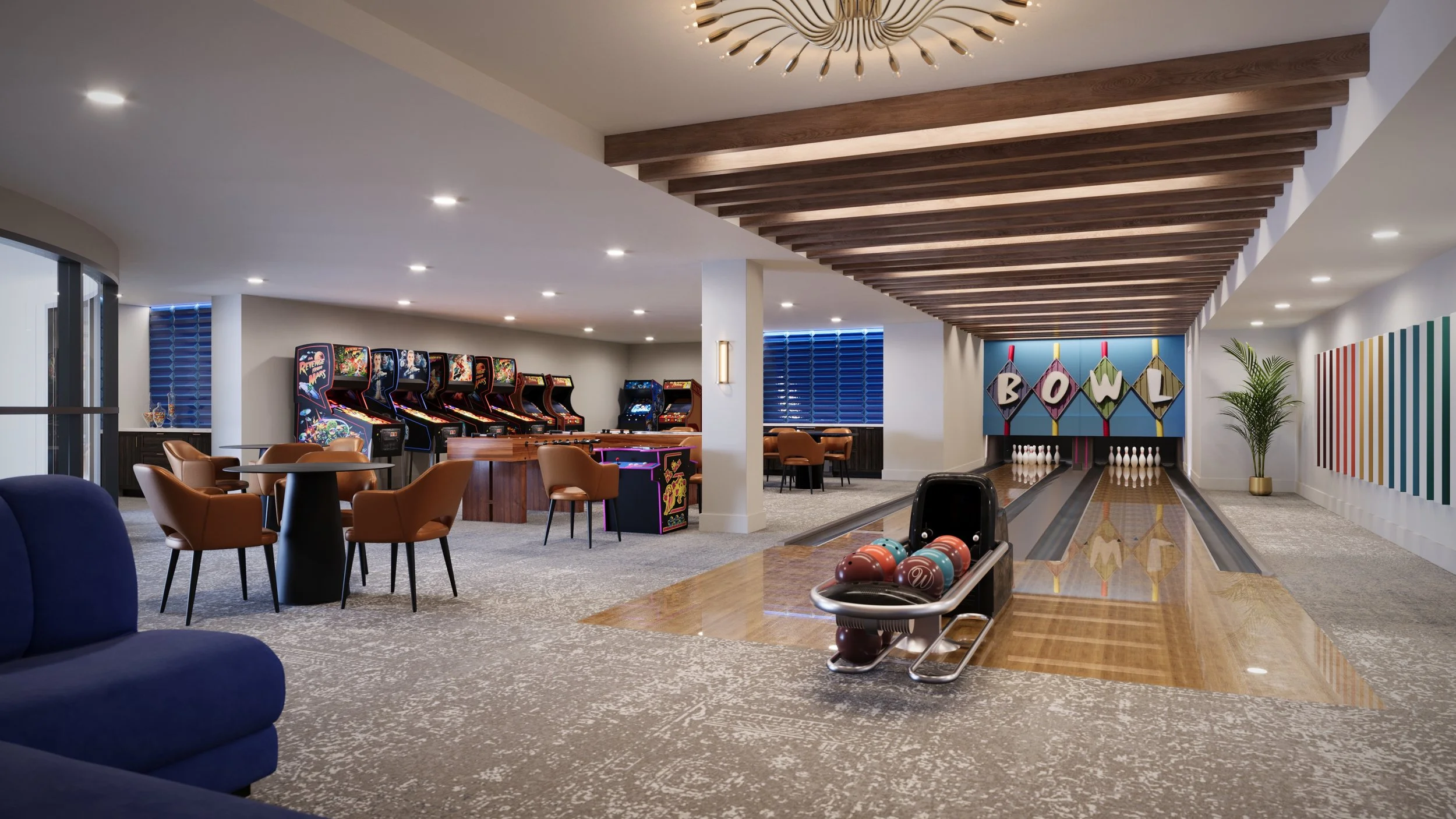
One thing that has become clear in recent years is the key role of surroundings and environment in enabling people with dementia to live not only safely but joyfully and with meaning. The design of buildings and communities for people with Alzheimer’s and other dementia can:
Enable navigation and orientation. Using clear signage, high-contrast colors, and recognizable landmarks helps residents navigate the space without getting lost or confused. It can reduce stress and increase confidence.
Promote safety and mobility. Circular outdoor paths, doors that lead to safe spaces, and other elements encourage residents to stay on the grounds and within the comfortable confines of the community. Slip-resistant floors, motion-activated lighting, secure railings, and easily accessible seating help prevent falls while enabling people to ambulate safely.
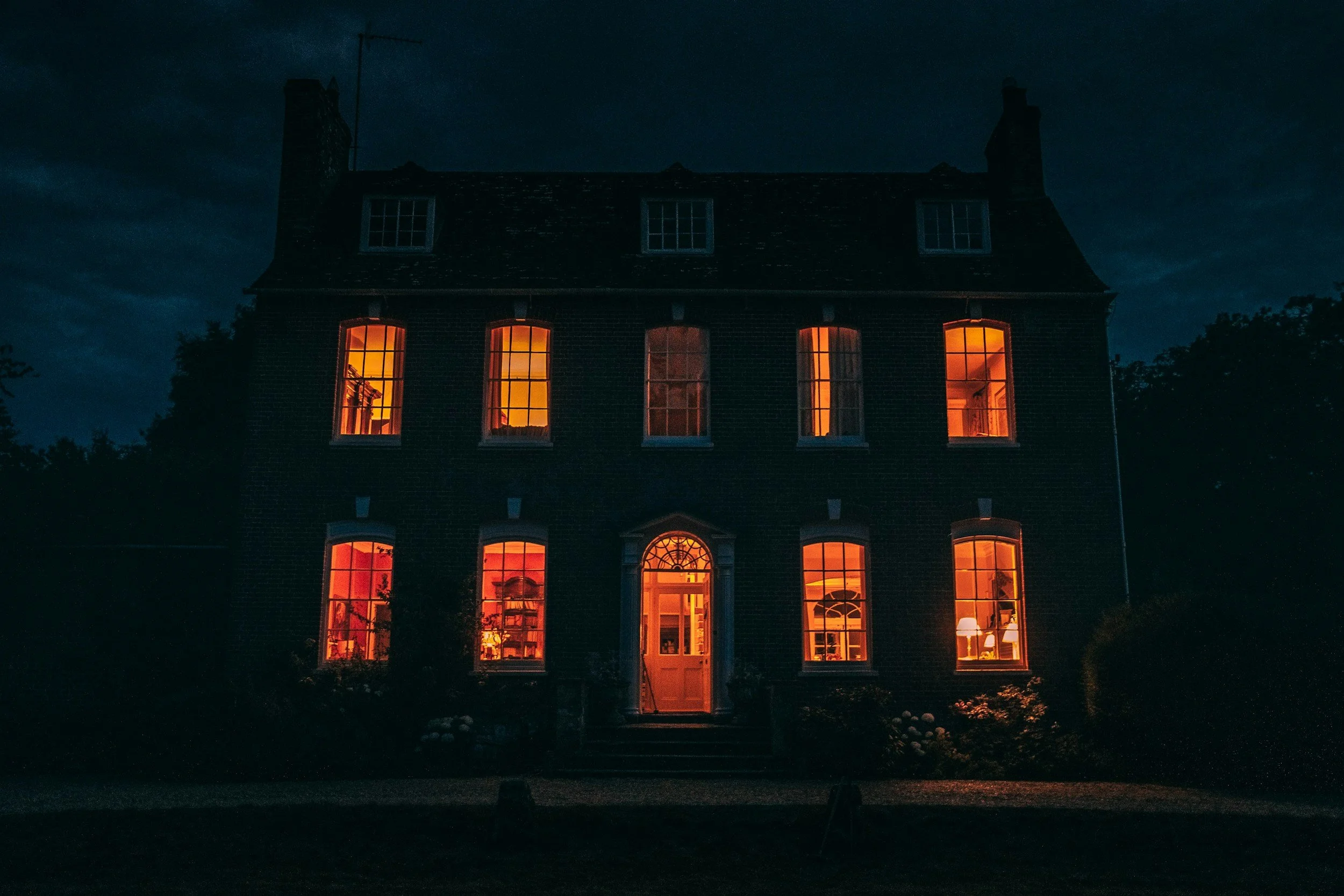
Promote a sense of home. The presence of elements like plants and animals (such as a fish tank), comfortable furniture, beautiful art, and scents such as fresh baked cookies can support homey feelings of familiarity and security. When residents feel like they’re home, they’re less likely to try to leave.
Encourage social engagement. Gardens, courtyards, and spaces that enable group activities and performances that residents can enjoy together make it easier for residents to connect and share.
Stimulate memories and feelings. Scents (like cinnamon or pumpkin spice during the holidays), aromatic plants, sensory-rich walls, and familiar music can trigger positive thoughts, memories, and feelings.
Customized personal spaces. Resident units should reflect their personalities – their interests, relationships (with families, friends, and pets), design tastes, furniture preferences, and history.
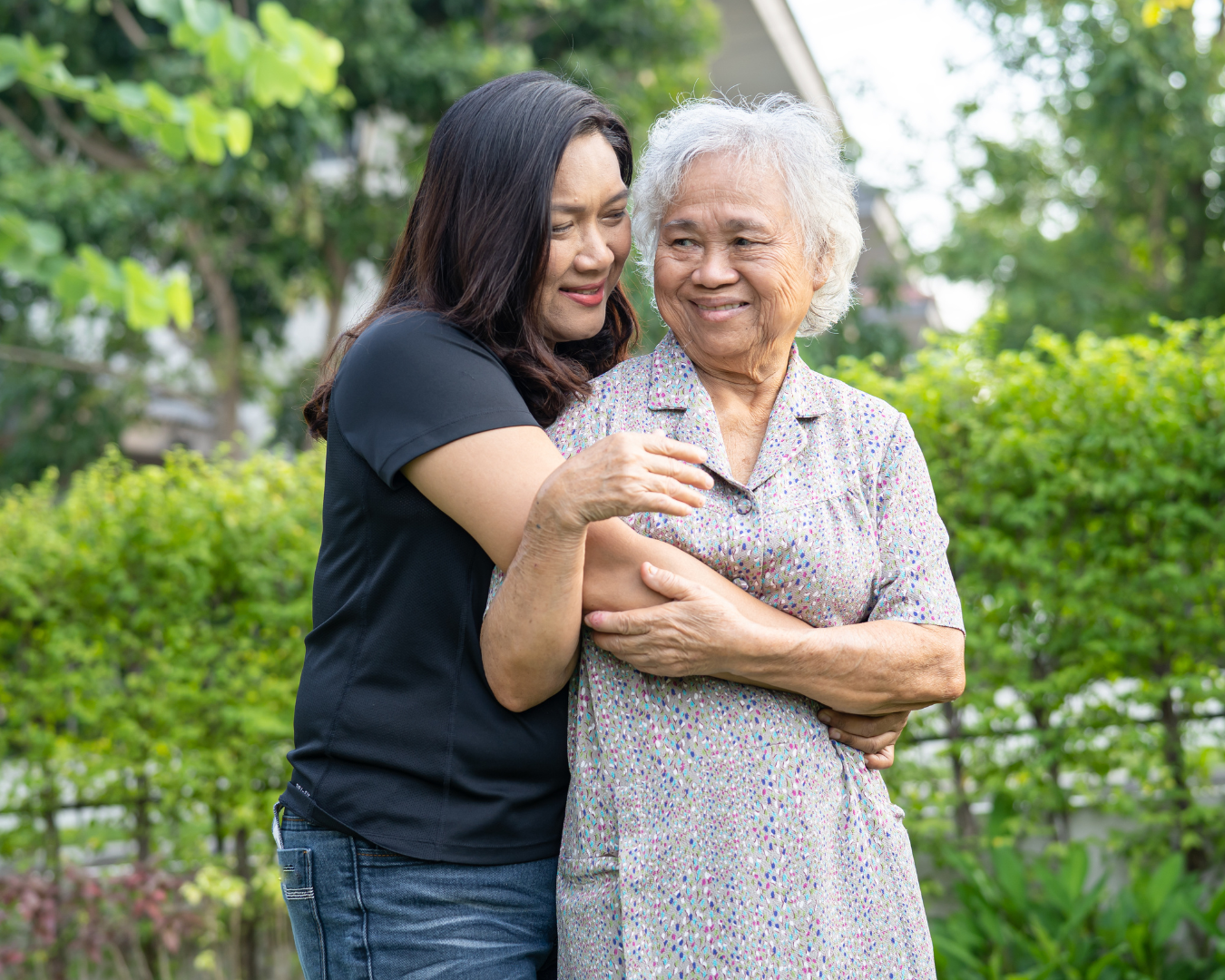
Design that balances safety and autonomy, security with engagement, and joy with purpose enables residents with Alzheimer’s disease and other dementias to have the best possible quality of life, even as their condition advances. We must always remember that individuals living with dementia never stop being people with feelings, needs, memories, preferences, and passions; and their homes – wherever they are – should reflect this.
Pi Architects | Contact us here or call us at 512-231-1910.
Recent Insights