Thoughtful Design: Creating Communities that Support Connections

This is the third in a three-part series about the impact of loneliness and social isolation on older adults and how the design of senior living communities can encourage and enable interactions, social connections, and a sense of community.
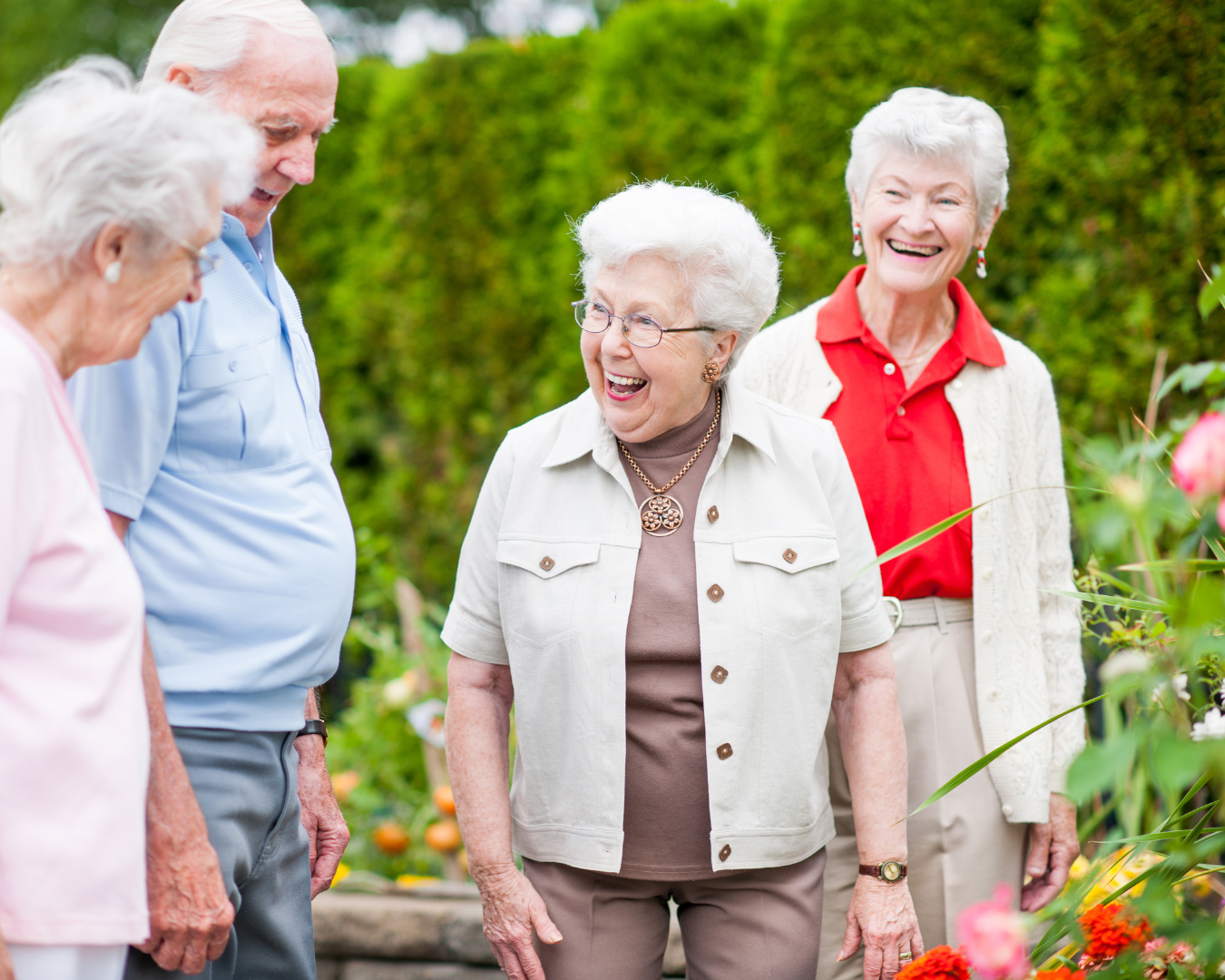
Loneliness does not vanish simply because older adults share the same address. Being lonely is a side effect of a larger problem regarding social connections and shared spaces. What people want are meaningful opportunities and connections; Boomers and Gen X are social generations that want experiences tailored to their individual interests, abilities, and rhythms of daily life.
This is where thoughtful design becomes essential. The next generation of residents, Boomers and Gen X, value independence, choice, authenticity, and environments that support both social engagement and personal well-being. Yet, often resist traditional senior living programming or conventional community layouts.
At Pi Architects, our design philosophy focuses on creating communities that support connections.
Engaging Boomers and Gen X requires a shift in how we design spaces and experiences. It means creating communities that enable choice, support autonomy, foster intergenerational connection, and inspire residents to participate.
Here are some actionable thoughts:
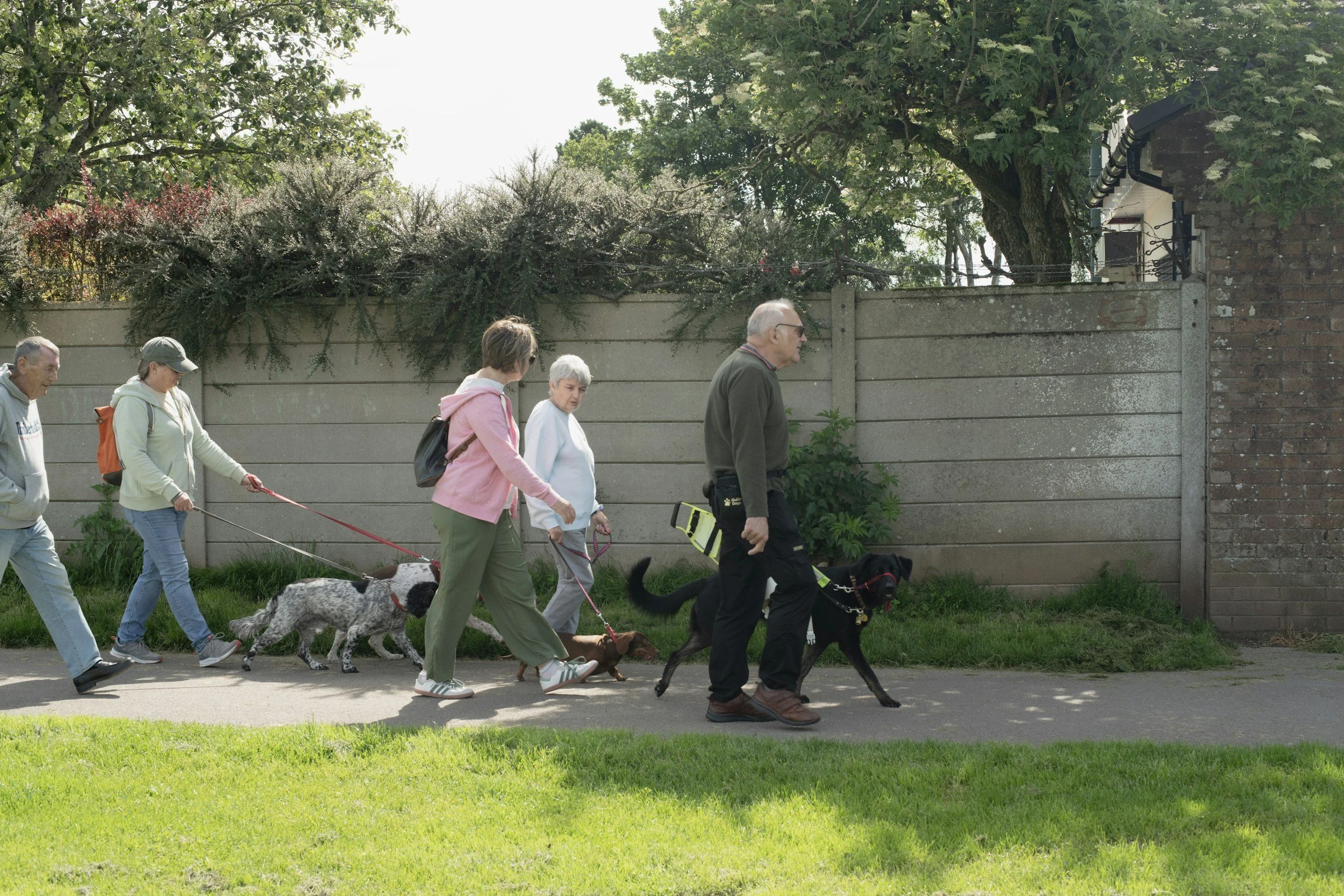
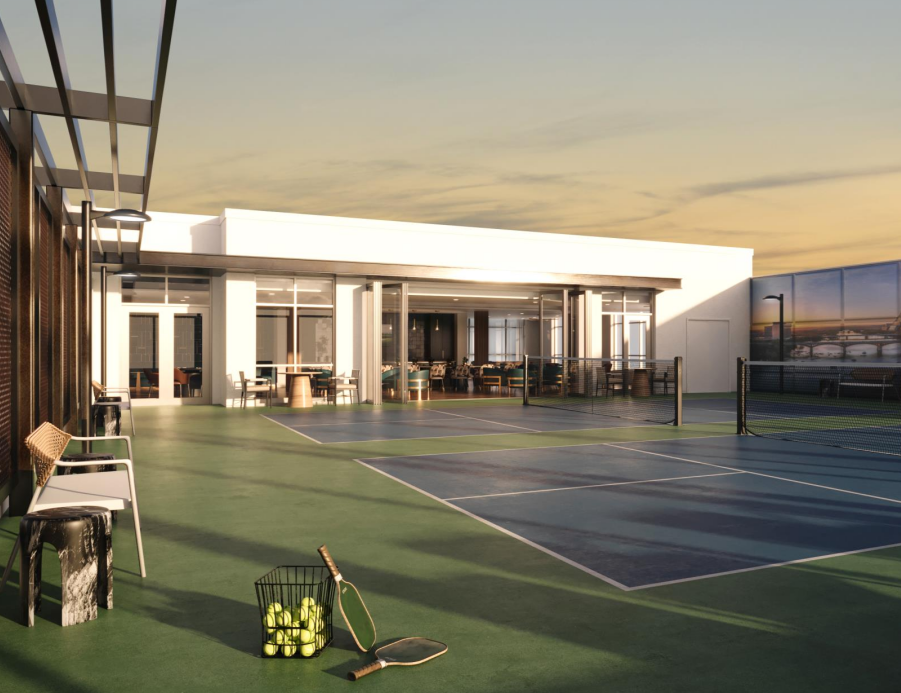
Residents often view themselves as youthful, energetic, and far from retirement age in the traditional sense, so appeal to them by showing them a community that is vibrant and full of life. That means including modern, resort-style amenities such as state-of-the-art fitness and wellness centers, dog parks and walking trails, bike paths and outdoor recreation areas, coffee shops, pubs, and wine bars, media lounges and theaters, full-service spas and salons, art studios and creative spaces. Find out from residents and prospects what activities, hobbies, and events interest them and connect them with these early on. Introduce them to others who share their interests, create clubs or meet-up groups, and have multiple ways to promote activities and events.
Recognize that personal growth and change don’t stop at 65 (or even 75). Build spaces that evolve with residents, including vibrant, inclusive, and thoughtfully designed environments that celebrate life at every stage. Consider how the cottage home design can accommodate residents as their ability to function independently diminishes. Incorporate safety measures, such as railings and grab bars, into the design to make them more visually appealing and less aesthetically invasive. Ensure hallways are well-lit, flooring is slip-proof, and outdoor spaces are free of tripping hazards. Make it as easy as possible for residents to socialize and participate in activities, even if their mobility is limited.
Enable easy access to transportation. Ensure adequate and convenient parking, shuttle buses, connection with ride services, and golf carts that make it easy for residents to get around the community and leave the property for shopping, dining, and entertainment. These will enable and encourage people to socialize, connect, and stay involved in the world around them.
Realize that not everyone only wants to associate with their peers. Intergenerational living environments and shared amenities such as fitness centers, dining venues, and entertainment spaces create opportunities for people of all ages to connect, fostering a more dynamic and inclusive community. Thoughtful programming and design can further strengthen these relationships by incorporating family-friendly spaces, offering housing opportunities for college students in exchange for volunteer service, partnering with local schools and community organizations for onsite or virtual learning, and supporting initiatives such as mentorship programs, community gardens, and charitable events. These experiences bring people together around shared interests, encourage meaningful relationships, and enrich the lives of residents across generations.
Allow for privacy. There is a difference between loneliness and enjoying time alone. Design amenities like serenity rooms, meditation gardens, and private patios where residents can take time for themselves. Have activity rooms where residents can comfortably observe the setting before they engage, and create grab-and-go dining options for residents who want to eat privately.
Ensure access to technology that enables residents to engage virtually. While there is no substitute for human touch, the opportunity to connect virtually is imperative, particularly for older adults who have transportation or mobility challenges. Make sure your community has adequate Wi-Fi and internet capabilities, plus consider amenities such as “Zoom rooms” and media centers with computers, onsite (or nearby) tech support, and pop-up shops for tech devices and accessories.
“A wide variety of face-to-face or digital interventions have been developed to reduce social isolation and loneliness among older people. These include social skills training, community and support groups, befriending, and cognitive behavioral therapy. Creating more age-friendly communities by improving access to transportation, information, and communication technologies can also help reduce social isolation and loneliness.” -The World Health Organization.
Design that engages residents and facilitates socialization is key to preventing or alleviating loneliness. However, this doesn’t mean a one-size-fits-all approach. Pi Architects listens to residents, encourages feedback, and involves residents, stakeholders, and staff in program development and community renovations. Pi understands that this contributes to the mental, physical, and spiritual health of those living and working in senior living communities. Let Pi help you plan your next design!
Pi Architects | Contact us here or call us at 512-231-1910.
Recent Insights