Strong Social Connections Build Longevity-Focused Communities
This is the second in a three-part series about the impact of loneliness and social isolation on older adults and how the design of senior living communities can encourage and enable interactions, social connections, and a sense of community.
Social connections are the backbone of any community, especially in senior living communities, where the nature of aging, functional/mobility limitations, illness, and distance from family or friends can contribute to feelings of loneliness and social isolation. Meaningful social interaction is essential to long-term senior wellness, and creating environments that encourage connection through thoughtful design is one of the most impactful ways to support healthier, more vibrant communities.
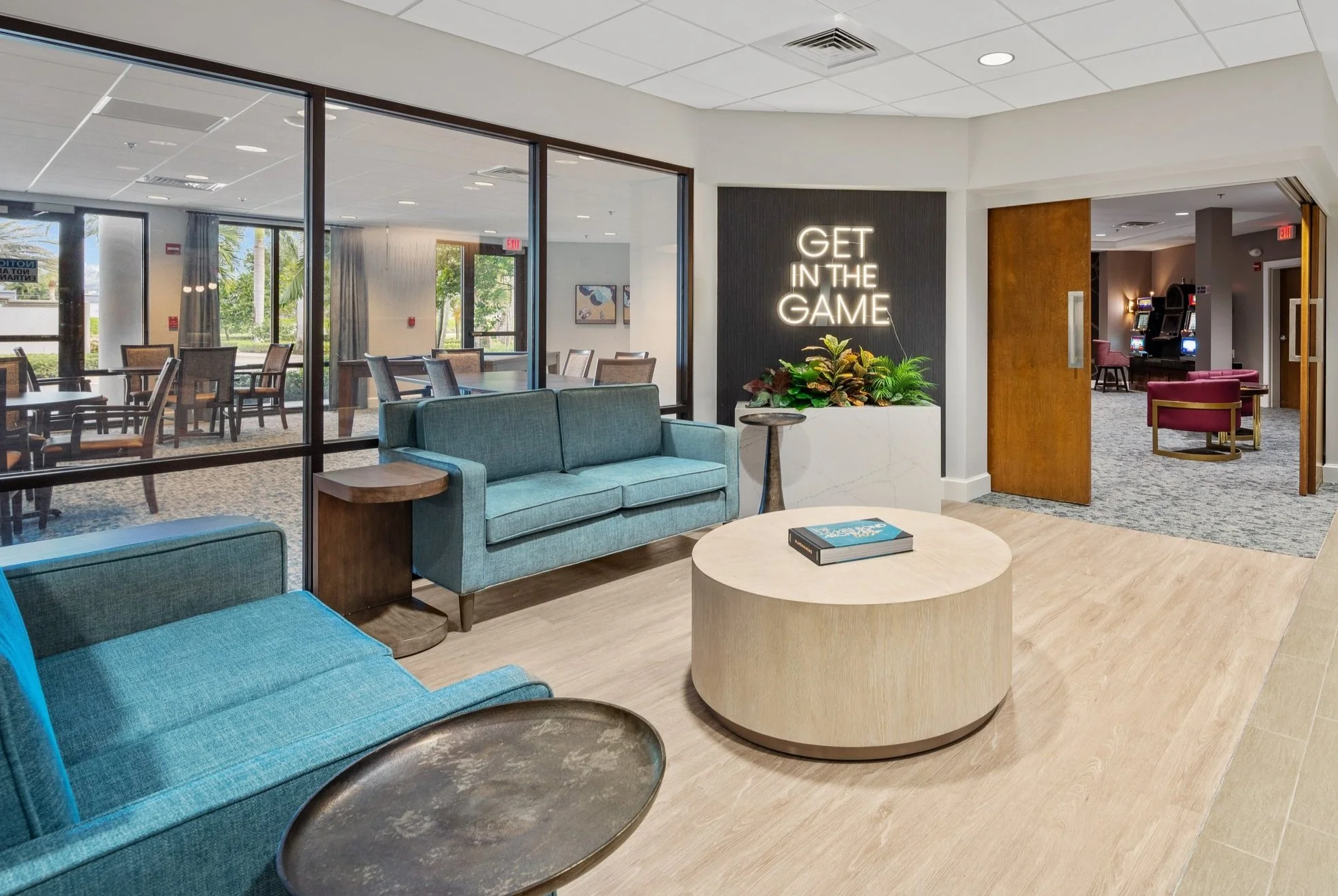
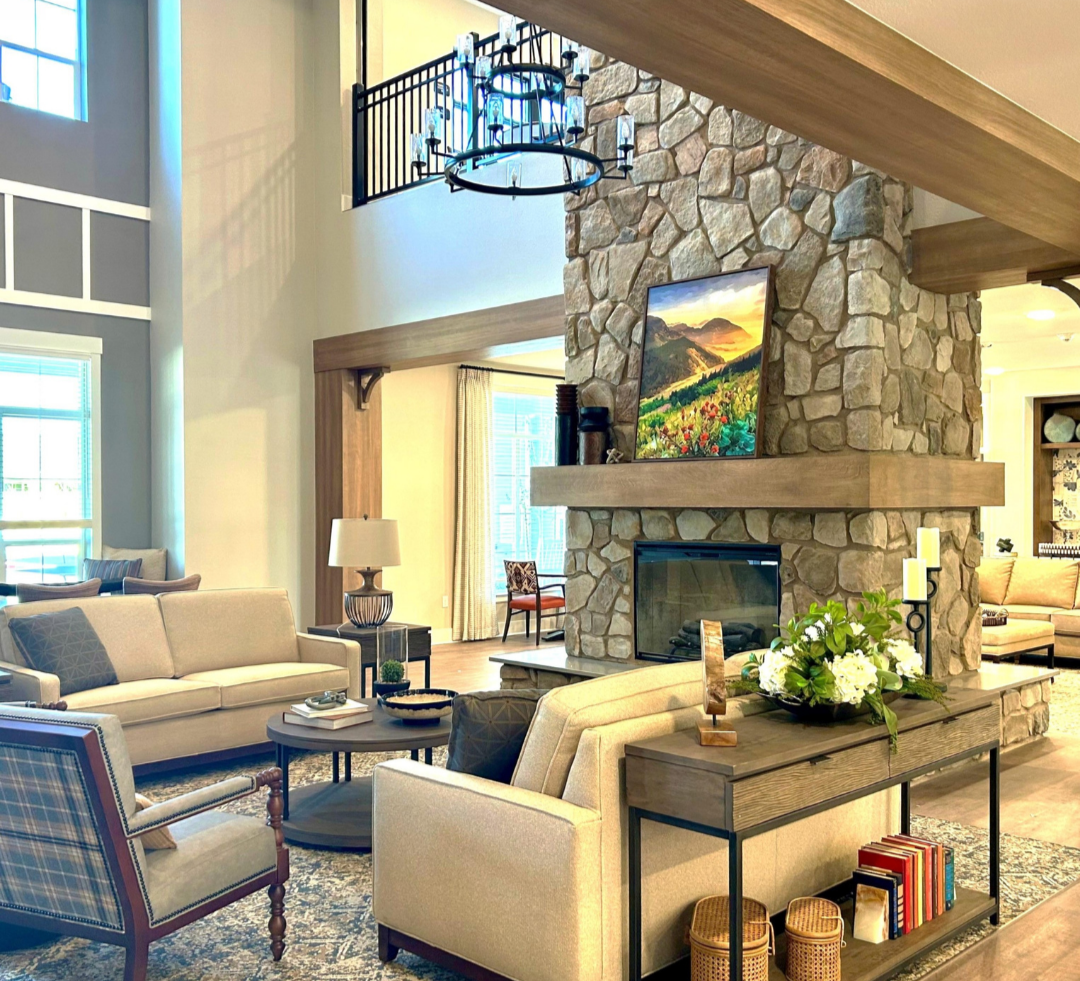
Isolation can often be caused by physical factors, often relating to aging. As seniors age, simple tasks become harder, and venturing out of the home can become a taxing, isolating experience. Thoughtfully designed spaces that incorporate comfortable seating, welcoming gathering areas, and flexible meeting spaces encourage residents, caregivers, families, and the broader community to connect naturally. These environments foster both casual interactions and lasting relationships, creating opportunities for social gatherings, volunteerism, shared activities, and meaningful engagement. By designing with the needs of older adults in mind, communities can strengthen social connections, support overall well-being, and enhance residents' quality of life.
Social isolation isn’t just about geographical distance, particularly in the modern world of high tech. With reliable Wi-Fi, people can connect via FaceTime, Zoom meetings, and social media posts and messages.
Think “people first” when promoting health and equity, supporting elements that enhance public life.
Key Steps Leading to Success
Designing, maintaining, and activating inclusive public spaces. Social engagements don’t have to be formal. That is why it is key for senior living communities to have spaces for naturally occurring gatherings and interactions – spaces with comfortable seating, good acoustics, and natural light.
Prioritizing connection and ease of use in transportation systems. Create a welcoming and safe space with pedestrian infrastructure that is direct and has few physical barriers to facilitate walking.
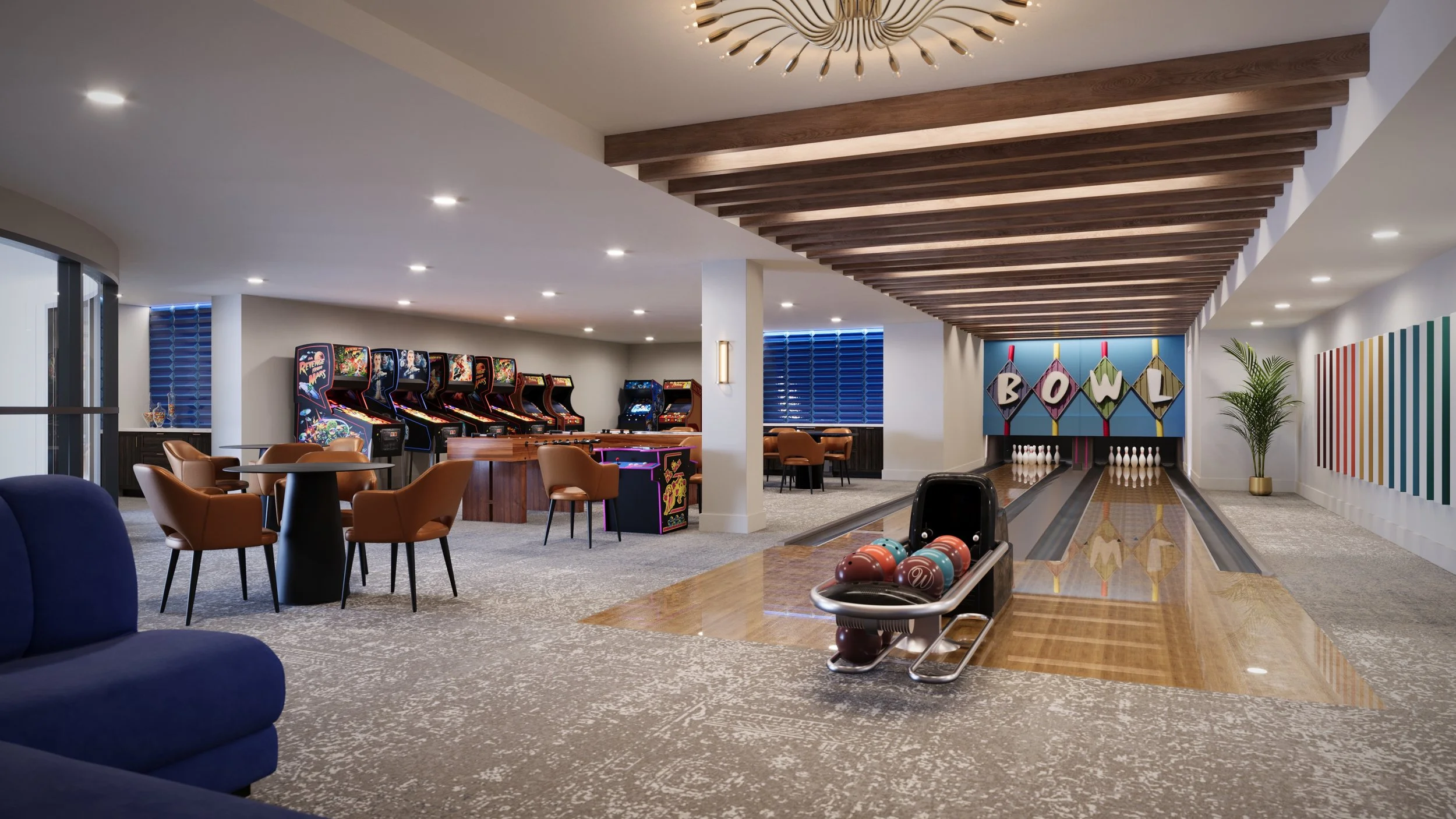
Constructing housing environments that build community. Designing environments that are accessible and inclusive, that accommodate the diverse needs of older adults. Integrating wellness amenities and services to support health and longevity that support interactions and provide a sense of belonging.
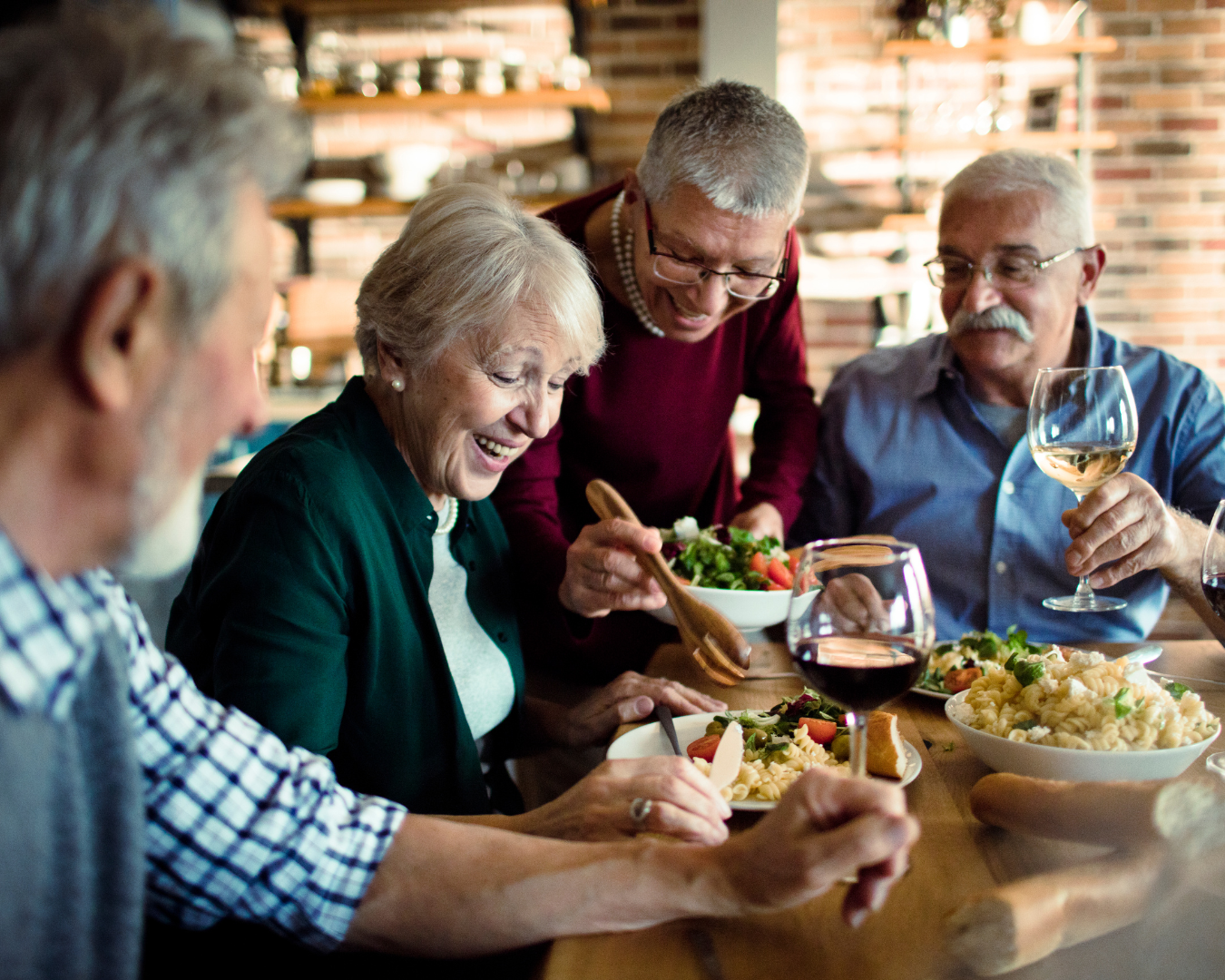
Dining. As people gather around for meals, dining spaces should encourage socialization. This means more than round tables of six or eight. It calls for – again – comfortable seating and good acoustics, also pleasant smells, a décor that feels familiar and comfortable, and easy access to bathrooms. If there is music, it should be soft enough to allow for conversation.
Design safe places for all ages to gather. Creating an inclusive environment that celebrates diversity and encourages lifelong learning through shared experiences and activities. Providing spaces where people can mix and mingle can help combat loneliness and promote social interaction.
Color schemes and lighting. The choice of color schemes and lighting is important in creating spaces that feel comfortable and inviting. By carefully selecting the lighting, we can create spaces that support both emotional well-being and physical needs.
Technology integration. Smart home technologies and health monitoring devices are transforming senior living by enhancing safety, supporting independence, and promoting overall health and wellness. While these innovations empower older adults to live more confidently, it is equally important to balance technology with opportunities for human connection, ensuring that increased reliance on digital solutions does not come at the expense of meaningful personal interactions.
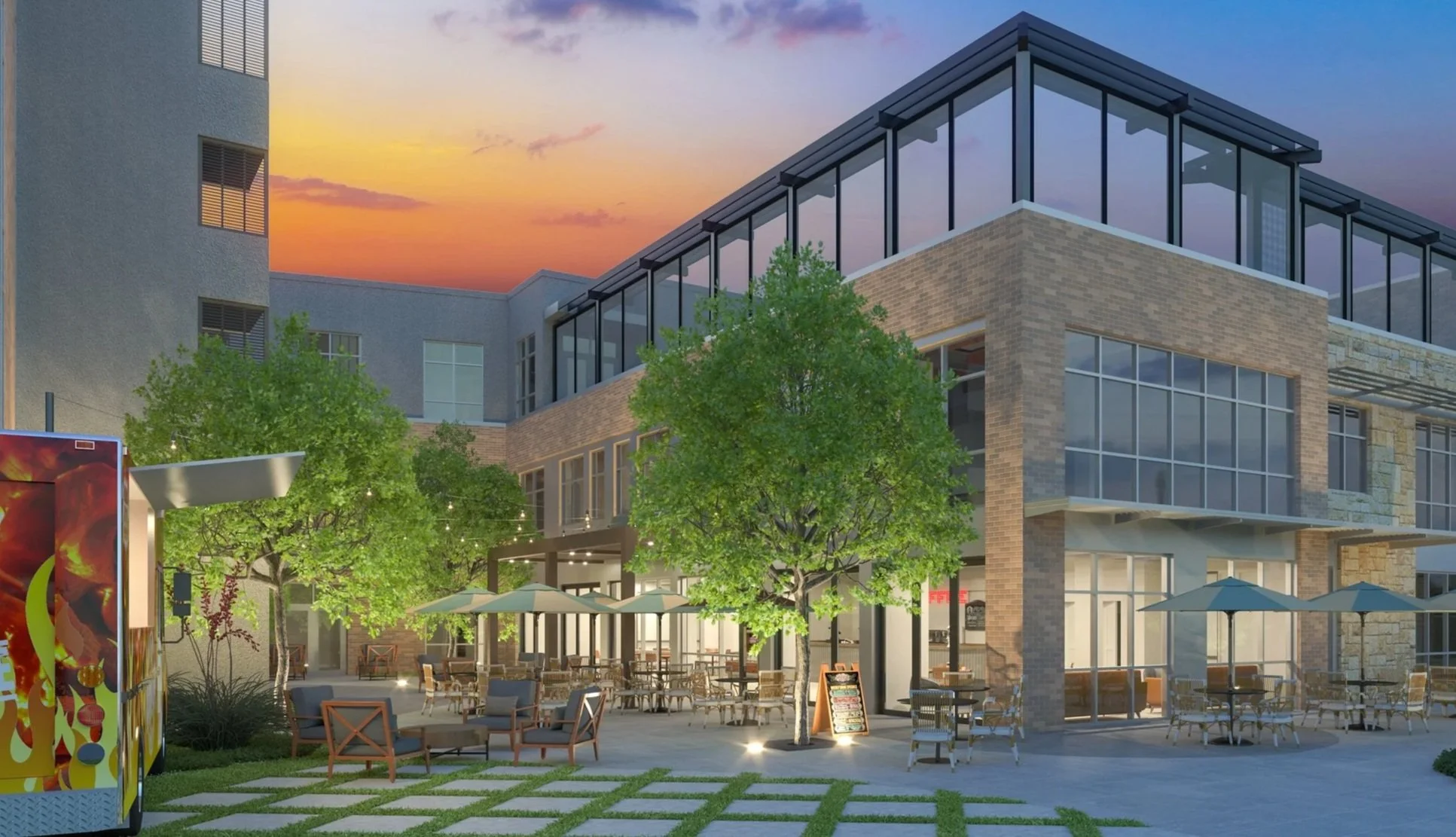
Integrating green spaces and gardens. Spending time in the garden and outdoor activities encourages residents to connect with nature and with each other. It fosters a sense of camaraderie and teamwork, which contributes to better health.
Accessibility features. Whether it’s through wheelchair-accessible design, raised garden beds, or wider walkways, each aspect of accessibility plays a pivotal role in enabling seniors to navigate their living environment. Accessible designs encourage social interaction and can alleviate feelings of isolation, promoting a more active and engaged lifestyle.
Connect with Pi Architects to explore how our master planning, interior design, and architecture services can transform your community into a place where residents truly flourish. Your space has potential; let us help you realize it.
Pi Architects | Contact us here or call us at 512-231-1910.
Recent Insights