Healthy Aging Month: Age-Friendly Communities Breathe New Life into Senior Communities
The Age-Friendly Health Systems initiative, established by the John A. Hartford Foundation and the Institute for Healthcare Improvement (IHI), has gained momentum for organizations and individuals caring for older adults. In essence, age-friendly care is designed to empower and drive healthcare that incorporates and emphasizes safe, evidence-based, person-centered care. At its core is the 4Ms clinical framework: What Matters (most to the person), Medication, Mentation, and Mobility.
While age-friendly care is rooted in clinical practice, it is most effective when it is thoughtfully integrated into the design and woven into every aspect of the community.
What does an age-friendly community look and feel like? It is a place where thoughtful design, meaningful connections, and supportive amenities come together to create an environment where people can thrive. Several key elements define this approach:
Consideration of what matters most to residents by involving them in decisions about design changes, new amenities, renovations, and expansions.
Circadian and adaptive lighting mimics daylight cycles, thereby maximizing mentation and mobility. This can improve sleep, mood, and cognition, and encourage engagement.
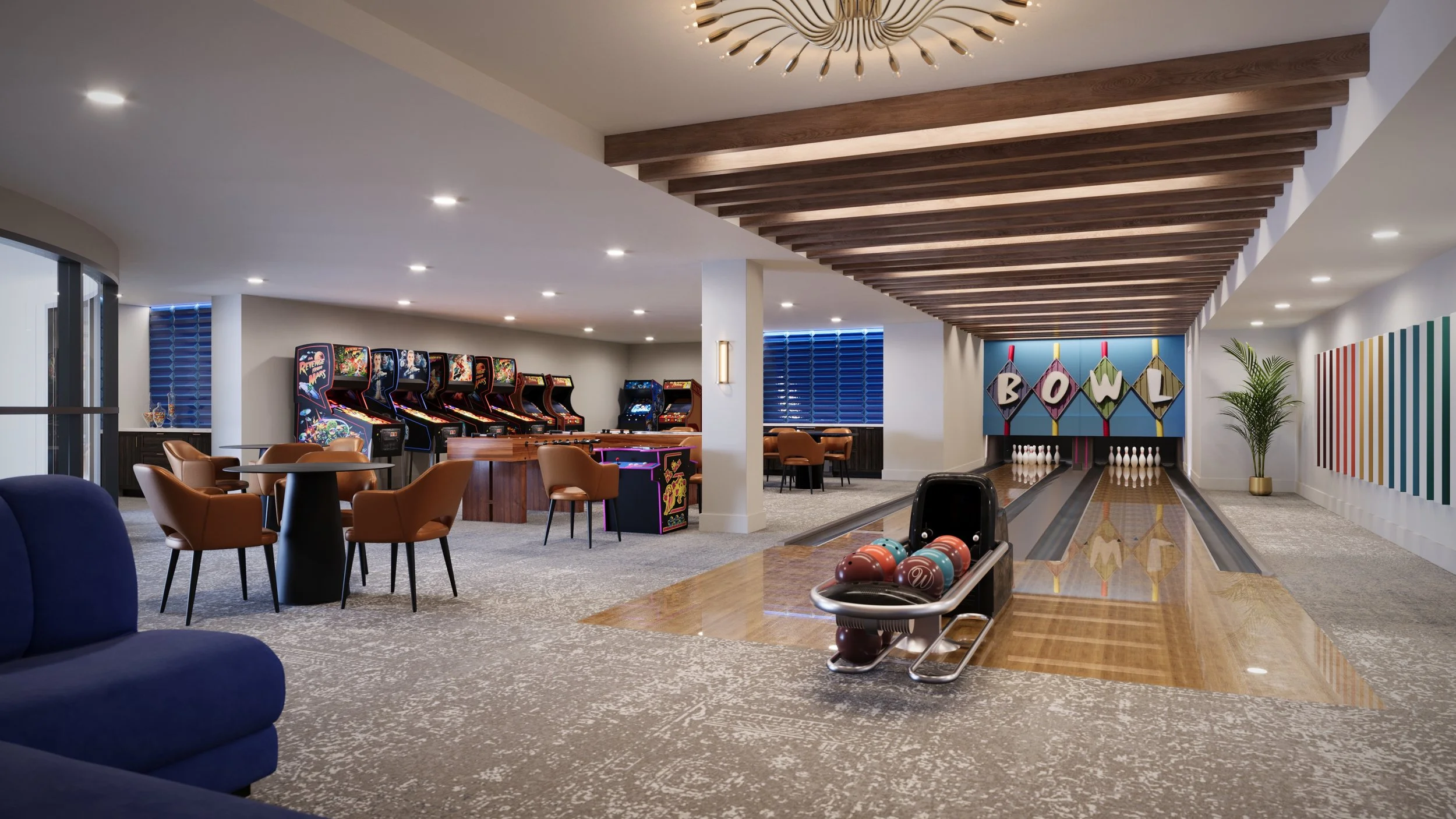
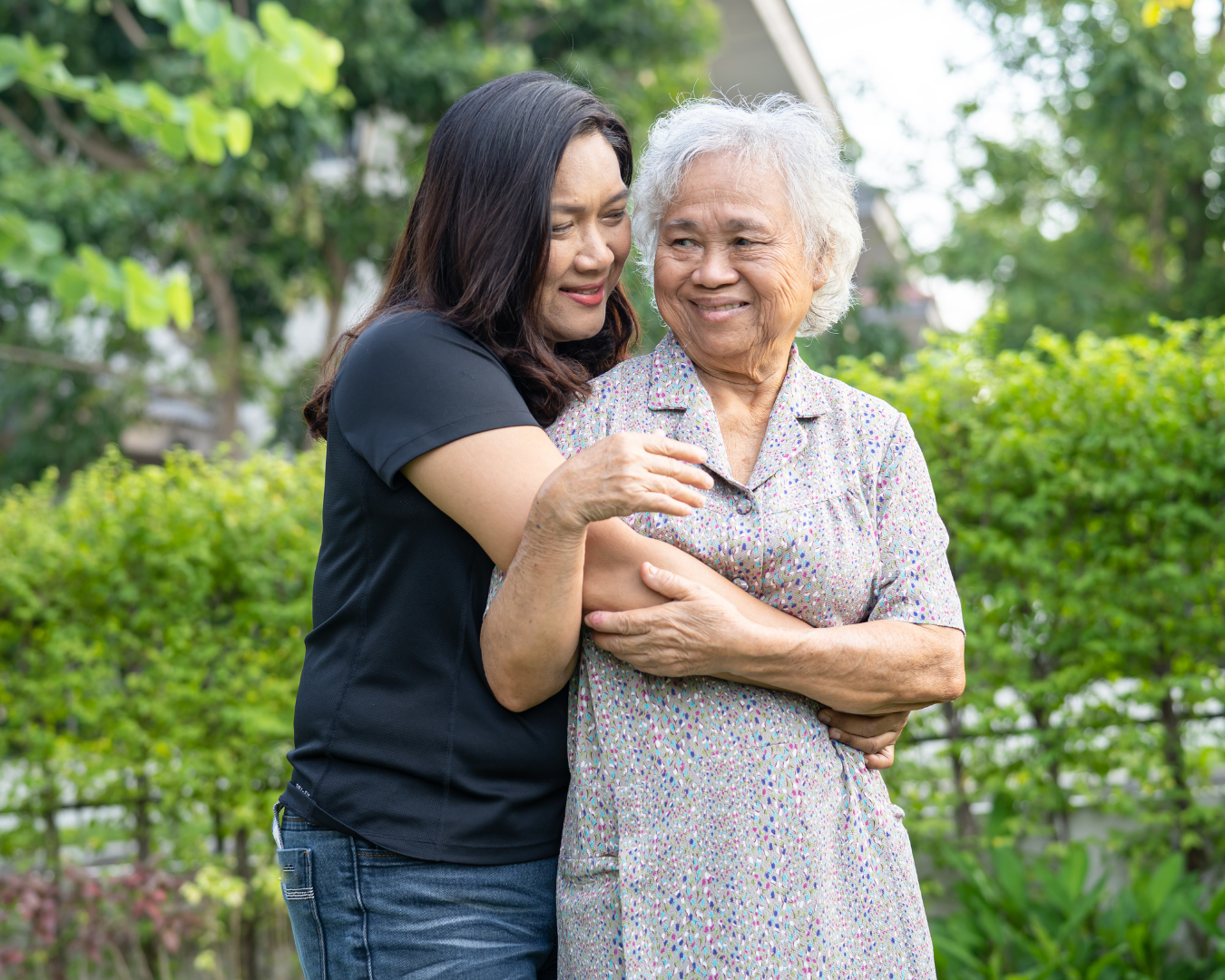
Intergenerational living/amenities/features and longevity ecosystems (defined generally as networks of people, organizations, technologies, and ideas collaborating with a focus on extending both lifespan and healthspan). These are designed to promote mobility, regular engagement, socialization, and emotional well-being, while maximizing safety and infection control.
Universal design principles, including wide doorways, non-slip floors, safe, easy-to-navigate bathrooms, and structures and designs that enable easy retrofitting and renovations.
Wellness and healthcare spaces. This might include state-of-the-art fitness centers that can accommodate individual workouts, sessions with fitness coaches, physical therapy, and intergenerational engagement; meditation and other restorative spaces; care suites for visits with health care providers, and telehealth spaces.
Tech-friendly spaces/amenities, including smart home and wearable devices, robotic assistants, readily available outlets and charging stations throughout the building, “Zoom rooms” where residents can conduct or participate in videoconferences, FaceTime, and virtual events. These not only contribute to improved mentation and enable residents to achieve and maintain what matters most to them; they also can enhance medication management and help ensure adherence to drug regimens.
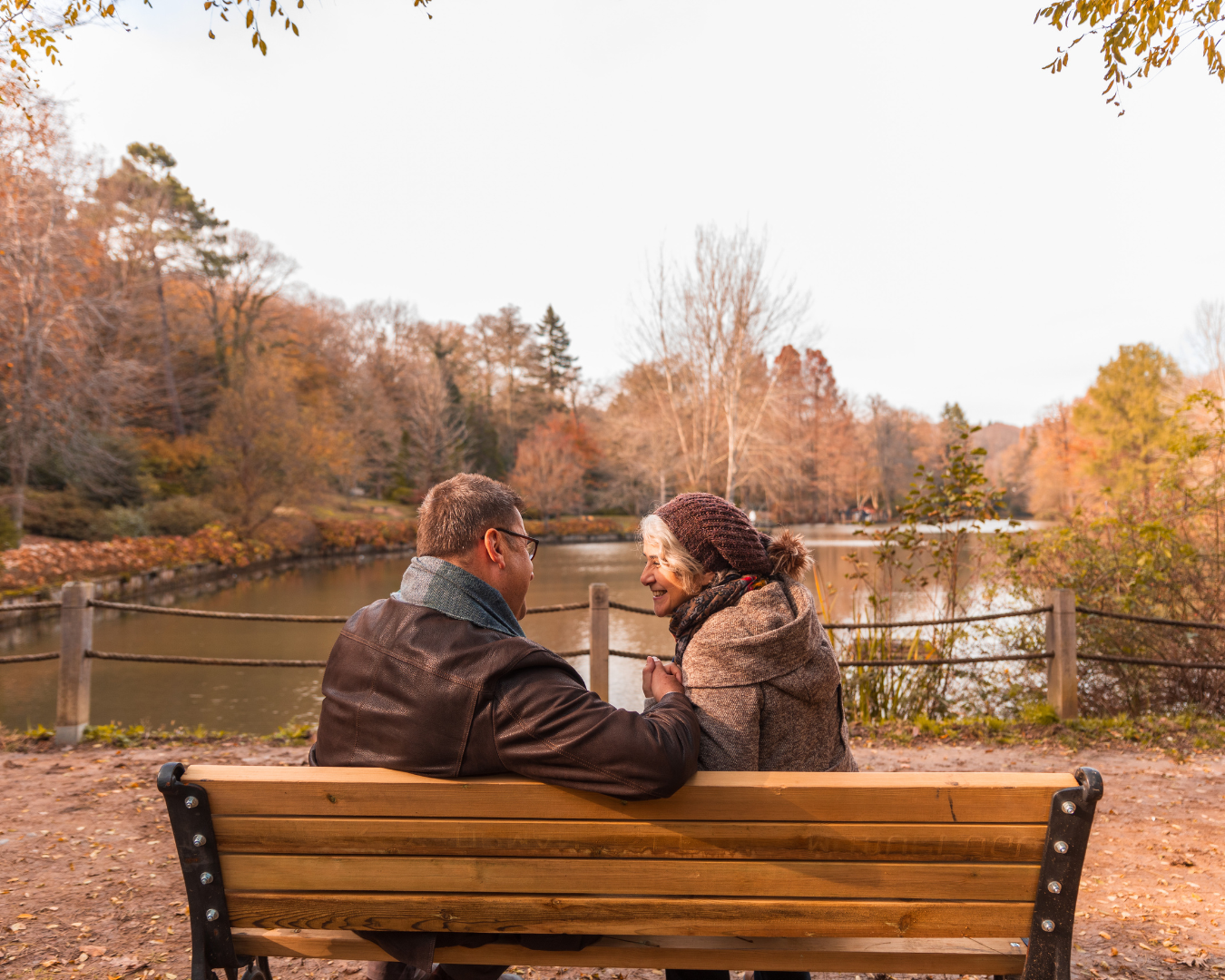
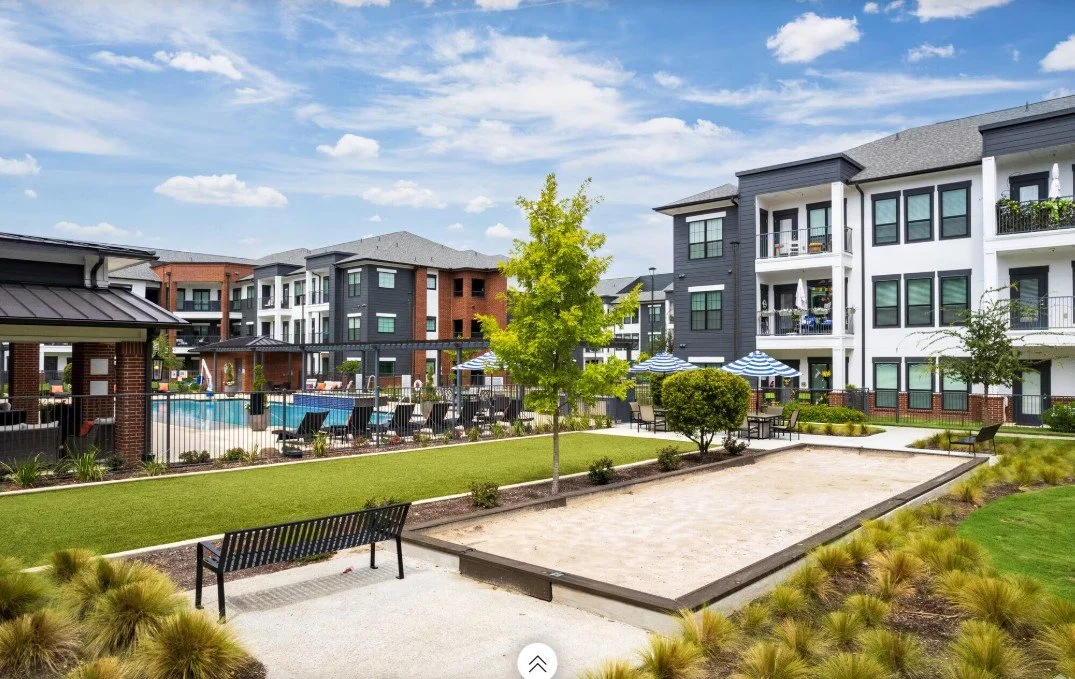
Biophilic and nature-integrated design that involves gardens, courtyards, walking paths, greenhouses, aviaries, and riding trails. These contribute to mental well-being, calm, and relaxation; and they also encourage physical activity and intergenerational engagement.
Dietary/nutritional options that provide access to a variety of foods for all tastes and needs and enable residents to meet dietary goals such as weight loss or increased energy. These options also should be designed to increase opportunities for social engagement and intergenerational connections.
Thoughtfully integrated design features that promote independence, comfort, and safety without compromising aesthetics. Elements such as zero-step entries, touchless access systems, flexible open layouts, discreet grab bars and railings, adaptable lighting and furnishings, ergonomic furniture, emergency response technology, and intuitive wayfinding support a secure and inviting environment for residents.
Increasingly, people want to live and work in a community that embraces and promotes age-friendly care. They know that these are places where individualism and personalization are not just respected but celebrated, where safety and autonomy go hand in hand, where people of all ages feel comfortable and connected, and where staff partner with residents to help them set and meet goals.
Pi is pleased to embrace the age-friendly concepts in our building designs and renovations. They are part of master planning and our work with everyone from builders and contractors to owners/operators and stakeholders.
Contact us today to learn how we can create age-friendly communities together.
Pi Architects | Contact us here or call us at 512-231-1910.
Recent Insights