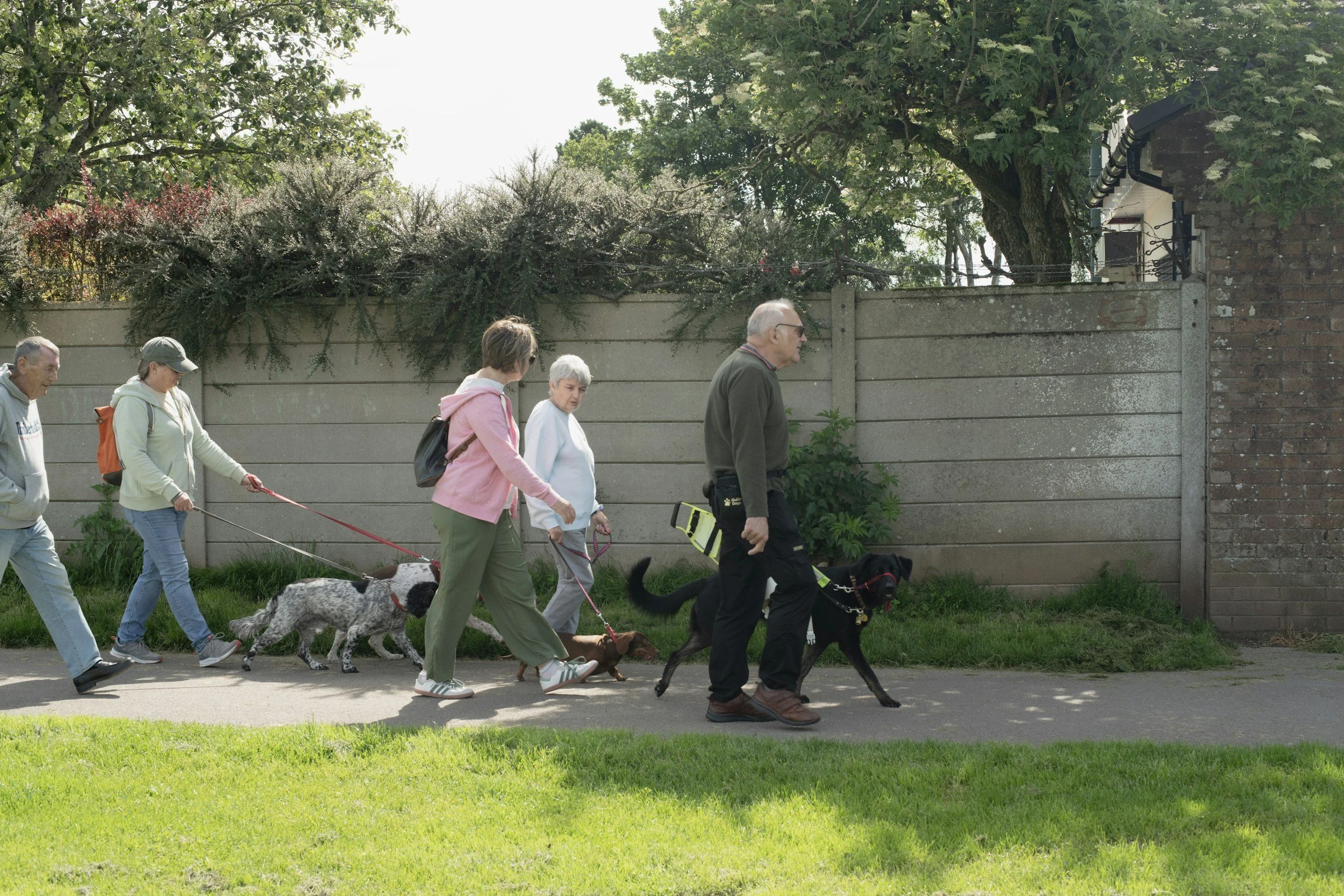
National Dog Day: Pets Have the Power to Attract, Keep Residents
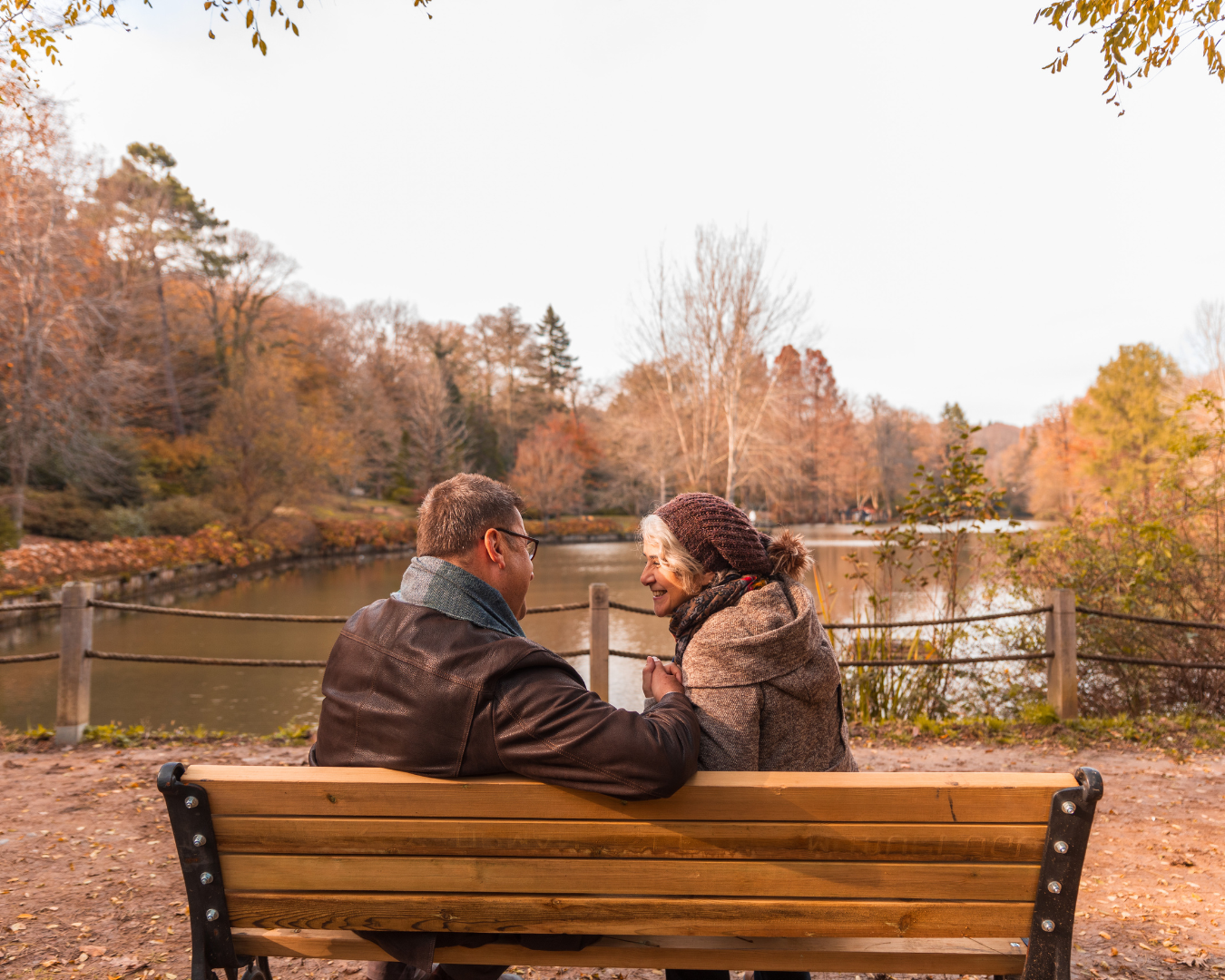
According to a recent study, 86% of pet owners surveyed said their pets mostly have a positive impact on their mental health. The benefits of pet ownership have long been known. Researchers say that pet owners get a jolt of oxytocin from interacting with dogs, and some studies show that pet parents have healthier hearts, stay home sick less often, are less depressed, and get more exercise. So if you think pet owners will leave their furry buddies behind when they enter senior living, think again, which presents some exciting opportunities for senior living communities.
Whether you’re already a pet-friendly community, looking to update, or you’re looking to add a feature to attract more move-ins, there are some key basics and innovative ideas to bring in and keep more residents with pets:
Determine up front what role pets will play in your brand. If you say you’re ‘pet friendly,’ how do you define that? Pet type and size limits, vaccinations and health requirements, behavioral standards, leash and supervision rules, pet deposits and fees, number of pets allowed.
Consider innovative amenities. ‘Yappy hours’ where pets are welcome to join their humans for snacks and socialization, pet-of-the-month honors, pet photos with Santa, and on-site grooming, training, and/or veterinary services are popular offerings. On-site doggie daycare is a popular option, and could present an opportunity for partnerships with local schools, businesses, and other groups in the community.
Take this opportunity to promote intergenerational activities. For instance, bring in young people from a local school to walk dogs, pet sit, or partner with residents for doggie daycare.
Use outdoor space in ways that benefit both the resident and their pet. Increasingly, senior living communities have dog parks, grooming areas, and outdoor dining spaces where pets are welcome to share a snack. While these are popular features, it is essential to consider the right location. These spaces should be close enough for easy access but not so close to residents’ windows and patios that people are disturbed by barking and other noise. Connect with Pi Architects today!
Ensure easy outdoor access for dog owners. Doors that open onto patios or other outdoor spaces will be important to ensure residents don’t have to walk down long hallways or dining areas to exit. Even if you celebrate pets as part of your brand, remember that not all residents and visitors are pet lovers, and some people actually may have allergies or fears that need to be respected. Consider the possibility of floors or hallways specifically for people with pets. Ensure outdoor lighting is sufficient for residents to walk their dogs at night and in the mornings.

Have special pet-friendly units. These might include fenced patios or small yards with easy access to sidewalks or other outdoor spaces. Consider flooring options that make indoor clean-up after pets easier, such as vinyl or wood laminate flooring instead of carpeting. If carpeting is used, stain- resistant is recommended.
Include accommodations for weather-related issues. For instance, have shaded paths and park spaces. Don’t make dog owners and their pups walk across hot asphalt or sidewalks. Consider what will happen when the weather prohibits residents and their dogs from going outside. A small covered (and possibly heated) space with natural, biodegradable soilless grass sod is a popular option being used by airports and other places where dogs don’t have access to natural grass or dirt.
Make shopping for pets easy. There are several pet food, treat, medication, and supply delivery companies. However, consider some onsite shopping with pop-up stores (especially around the holidays), outdoor pet fairs, and craft markets with toys and clothes for pets. Have plastic bags and wet wipes easily available (free) in spaces where residents and their dogs are likely to go. Have trash cans conveniently located for waste disposal, but make sure they minimize the potential for odors.
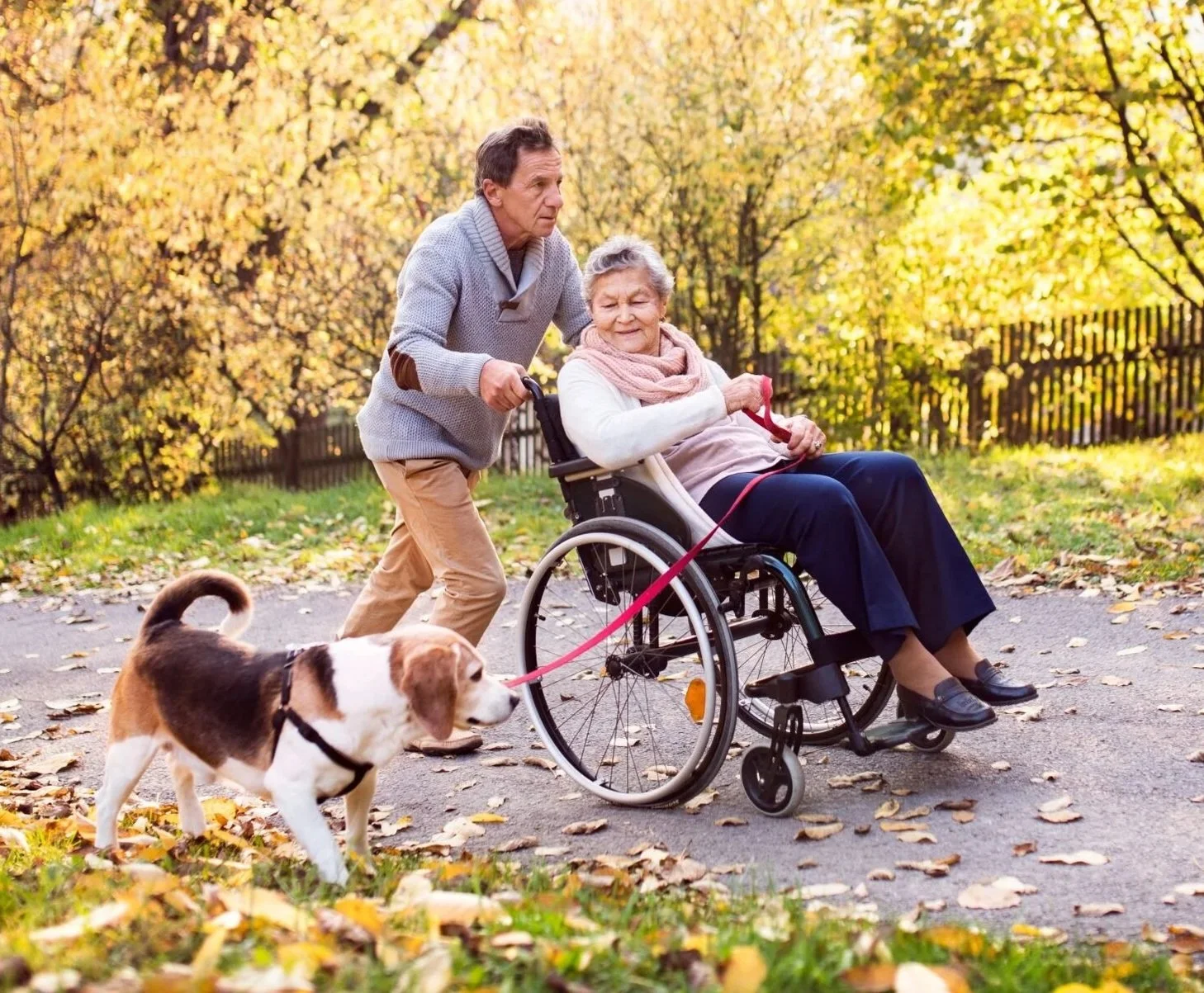
If you allow families and others to bring in pets for visits, have policies and protocols in place (such as proof of rabies vaccination and/or limitations on where visiting animals can go, as well as requirements for clean-ups). If you have special rooms for family visitations and events, consider having one that allows pets (with appropriate flooring, easy outdoor access, etc.).
If you are committed to being a pet-friendly community, find creative ways to market. Have a feline or canine concierge to welcome visitors and feature it in your ads, videos, and social media posts. Invite prospects to bring their pets for tours. Hold a pet-themed art show that’s open to the public.
The demand for pet-friendly senior living communities is increasing, so more are welcoming furry residents. Using strong, innovative design, creative programming, and popular, practical, and unique amenities, you can stand out from the competition and have a vibrant community where people and pets happily coexist.
Contact us here or call us at 512-231-1910.
Read more on pet-friendly communities