

Pi Architects is excited to announce the Grand Opening Celebration Thursday August 24th, 2017 of our completed project, Stonecrest of Troy Senior Living. The development team includes Northpoint Development and Integral Senior Living (ISL). Stonecrest of Troy is located in Troy, Michigan just north of Detroit and encompasses a 77,000-square foot building supporting 55 assisted living apartments and 32 memory care suites.
Stonecrest of Troy presents a luxury community for Michigan’s vibrant senior population. The building’s craftsman exterior feels strong and grounded while its timeless style fits seamlessly into the surrounding community.
Inside, modern finishes and generous natural lighting create an inviting sequence of spaces for the residents to live, dine, and entertain. Throughout, the life of the community can be felt in the easy flow from dynamic activity spaces to more subdued areas for rest and reflection.
Congratulations to all involved and cheers to a successful opening!
Pi Architects
Contact us here or call us at 512-231-1910.
recent blogs

Halloween means scary fun for many people, but it can be upsetting and confusing for people living with dementia. This doesn’t mean senior living and long-term care communities can’t celebrate. It calls for careful consideration and meeting these individuals where they are. We have highlighted some Halloween fun that is safe and comfortable for people living with dementia in our recent article.

Master planning is a vision and a roadmap, illuminating clear strategies for transforming places and spaces. It lights the way for an organization’s growth and development, and it enables a long-term view of projects built from the information and optics of a community’s operations, market needs and standards, and cost realities.
These tips can help you create a master plan that is both realistic and empowering, one that considers all relevant factors.
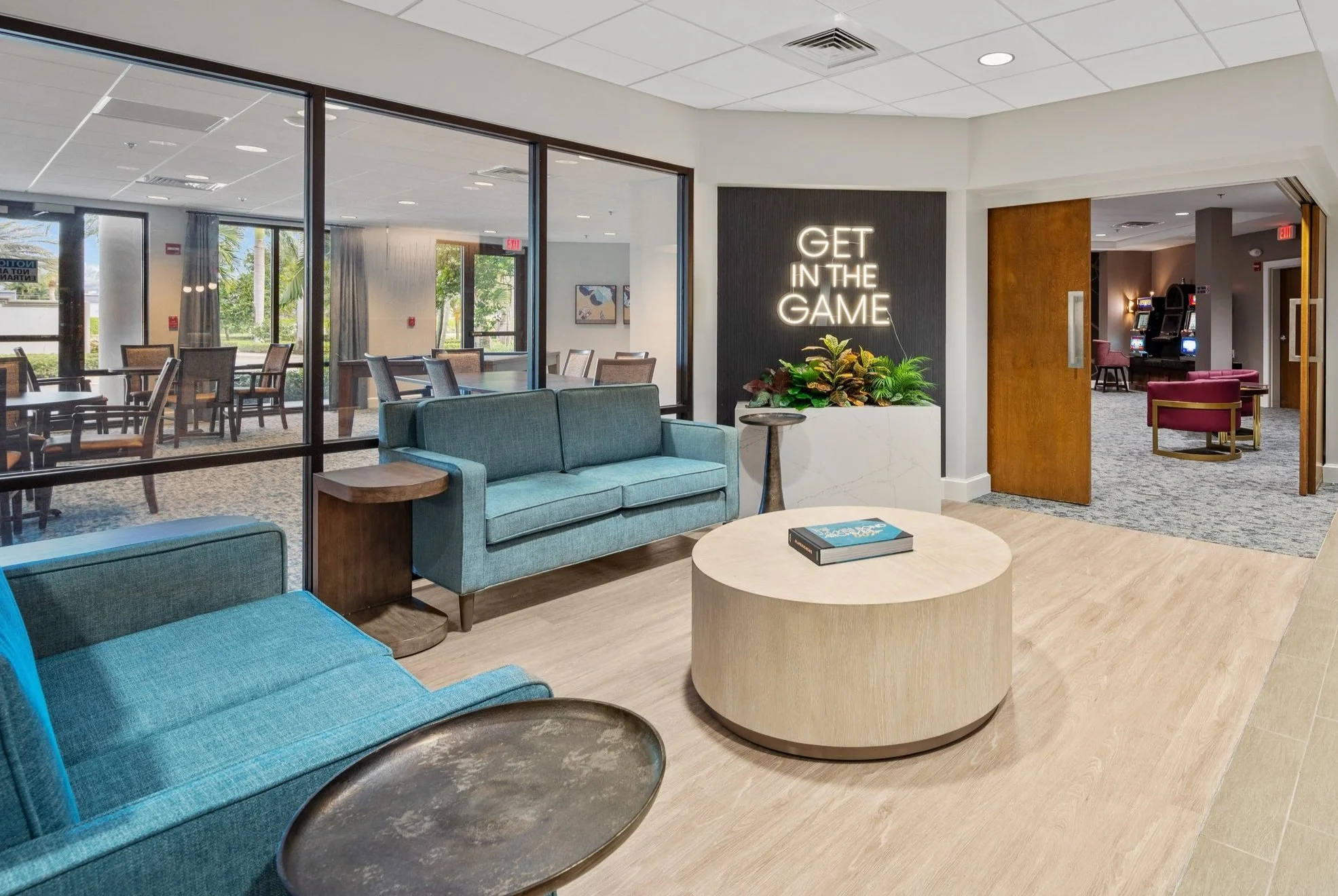
It‘s time to put your fears about repositioning to rest. With the right partners and planning, repositioning can be a dream instead of a nightmare. Look at the long-term benefits to the community to stay competitive and think of repositioning as a strategic investment in the future.
Mark Warrick, AIA, LEED AP, vice president of Pi Architects, shared some common fears about repositioning/renovations and how to exorcise these demons!
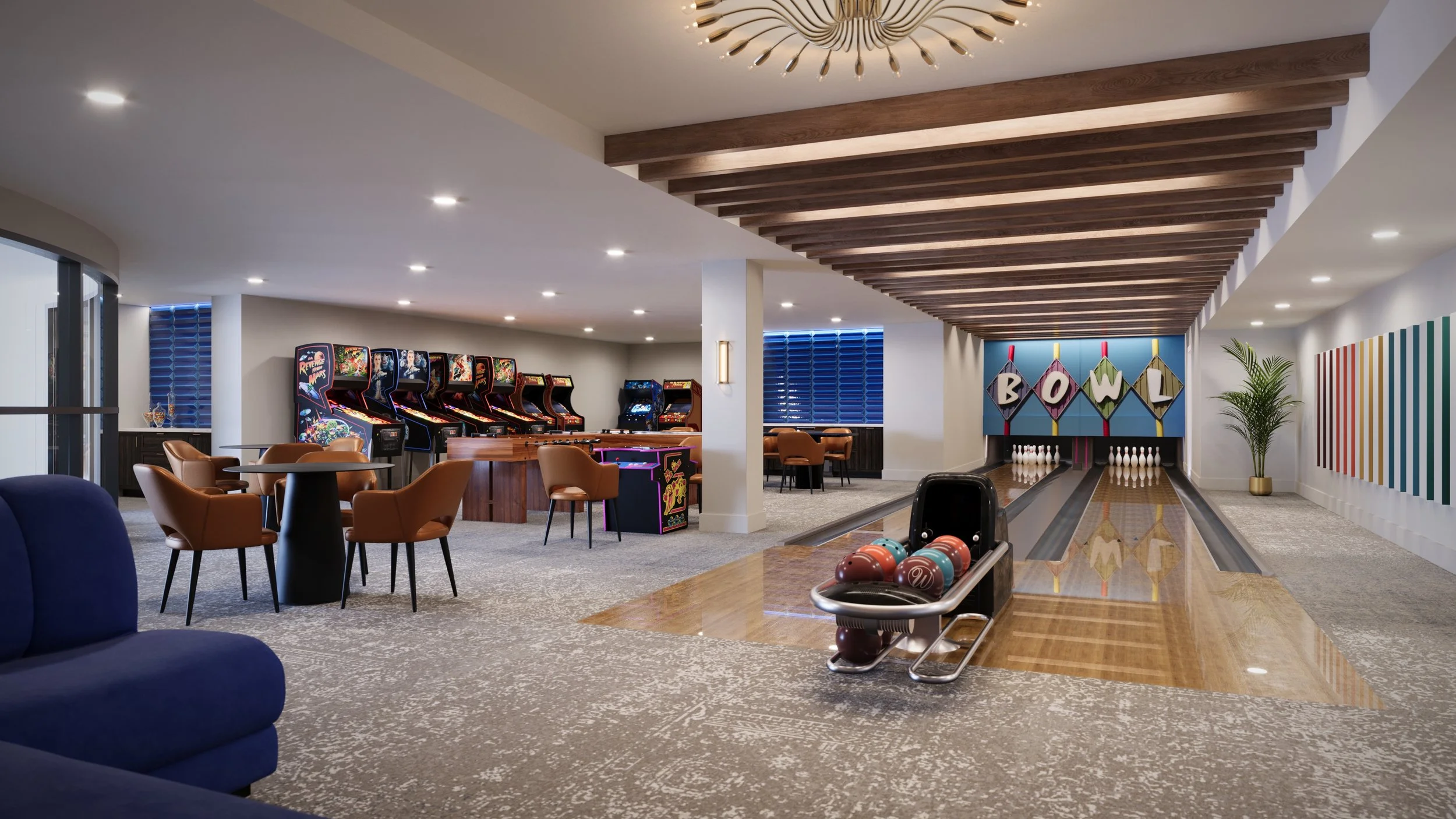
For a long time in the media, the images of aging were a rocking chair on a front porch, a quiet afternoon on a park bench, or a game of shuffleboard. That picture no longer reflects what aging looks like for many people in 2026. When the International Council on Active Aging initiated Active Aging Week in 2003, it highlighted the recognition that many older adults lead healthy, engaged lifestyles and prioritize wellness activities daily. The image of the older adult has evolved and continues to do so as baby boomers and Gen Xers seek to make senior living their own.
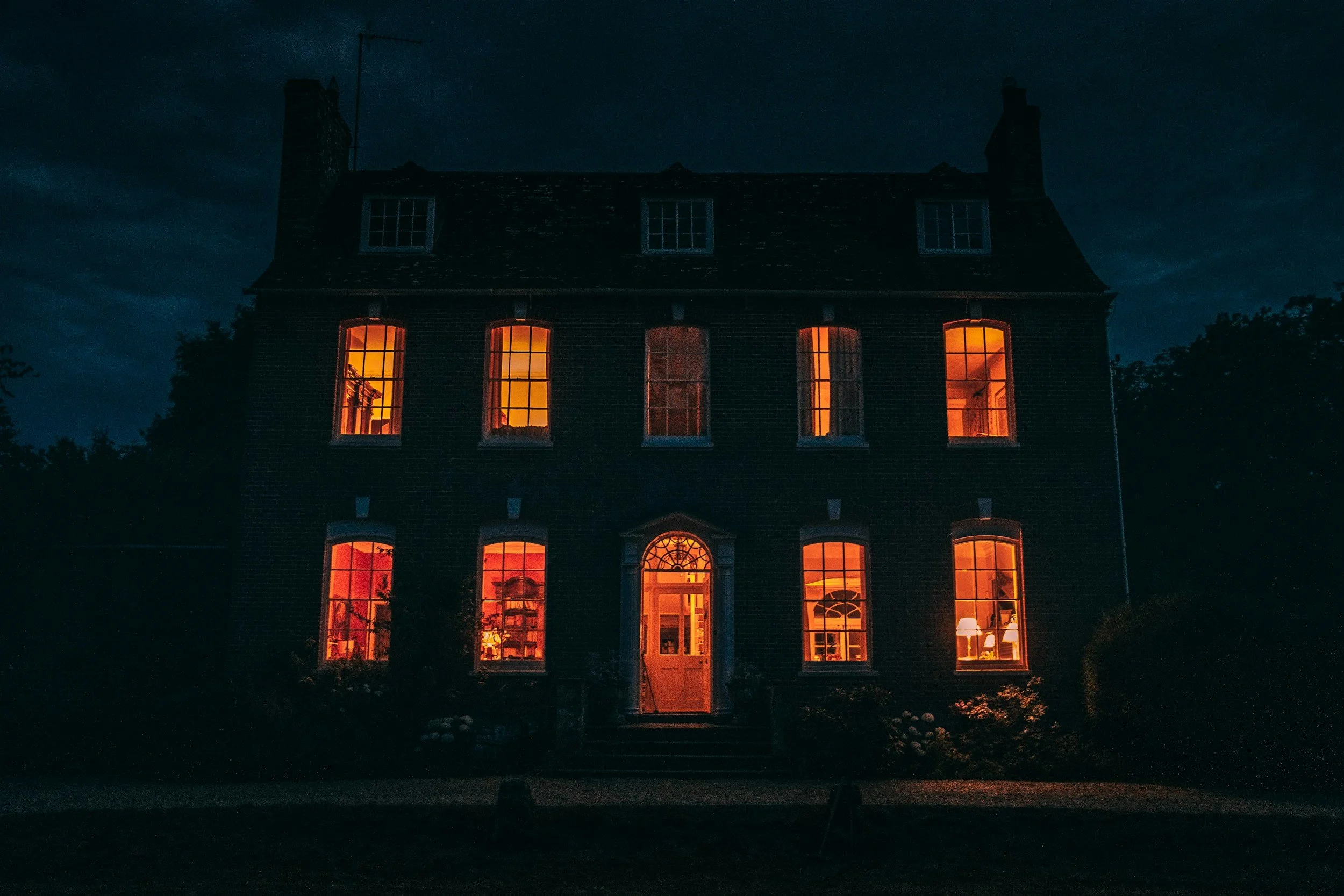
October brings Halloween and all the spooky fun that comes with it. At Pi, we are embracing the spirit of the season as we consider some “haunting” senior living design trends that stick around from generation to generation. We sat down with Jamie Shepard, interior design project manager at Pi, to discuss design trends that are here to stay: Pull back the curtain! “Natural light is your greatest asset as a building designer and developer,” said Shepard, adding, “Where there is natural light, there is where people want to congregate..

Fall is also a natural time to take a fresh look at a community’s spaces. As the seasons change and residents spend more time indoors, it’s an opportunity to rethink how spaces are being used and whether they still reflect the energy, personality, and lifestyle of the people who call the community home.
Renovation doesn’t mean starting from scratch; small but intentional changes can make a space feel completely different.
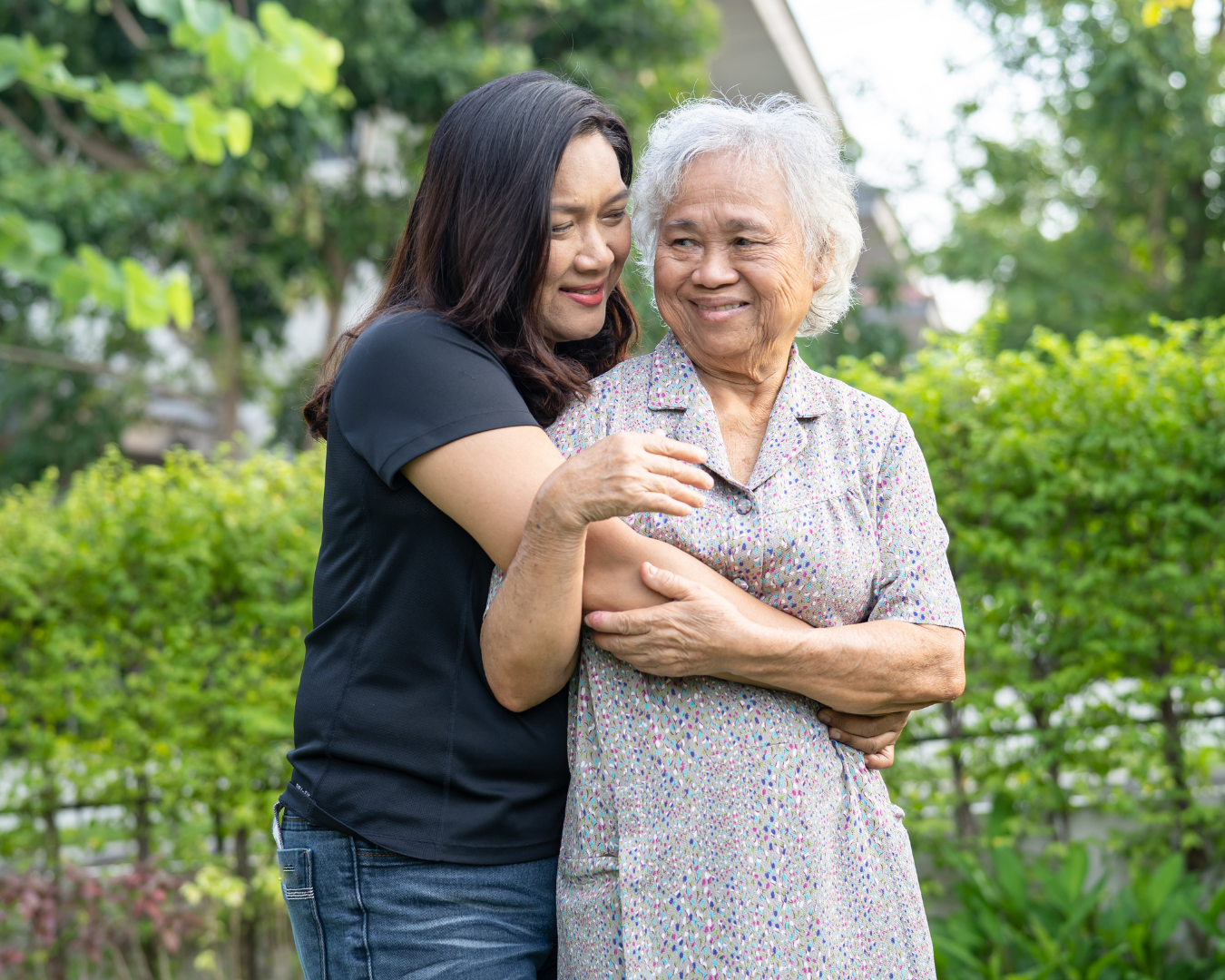
Alois Alzheimer first presented his findings about brain abnormalities that became the foundation of Alzheimer’s disease as a specific diagnosis over 100 years ago. Since then, we have learned much about Alzheimer’s and other dementias. This World Alzheimer’s Month, Pi celebrates people everywhere living with this illness and is proud to help design communities that contribute to their well-being and quality of life.
One thing that has become clear in recent years is the key role of surroundings and environment in enabling people with dementia to live not only safely but joyfully and with meaning.

In essence, age-friendly care is designed to empower and drive healthcare that incorporates and emphasizes safe, evidence-based, person-centered care. At its core is the 4Ms clinical framework: What Matters (most to the person), Medication, Mentation, and Mobility.
While age-friendly care is rooted in clinical practice, it is most effective when it is thoughtfully integrated into the design and woven into every aspect of the community.
What does an age-friendly community look and feel like?
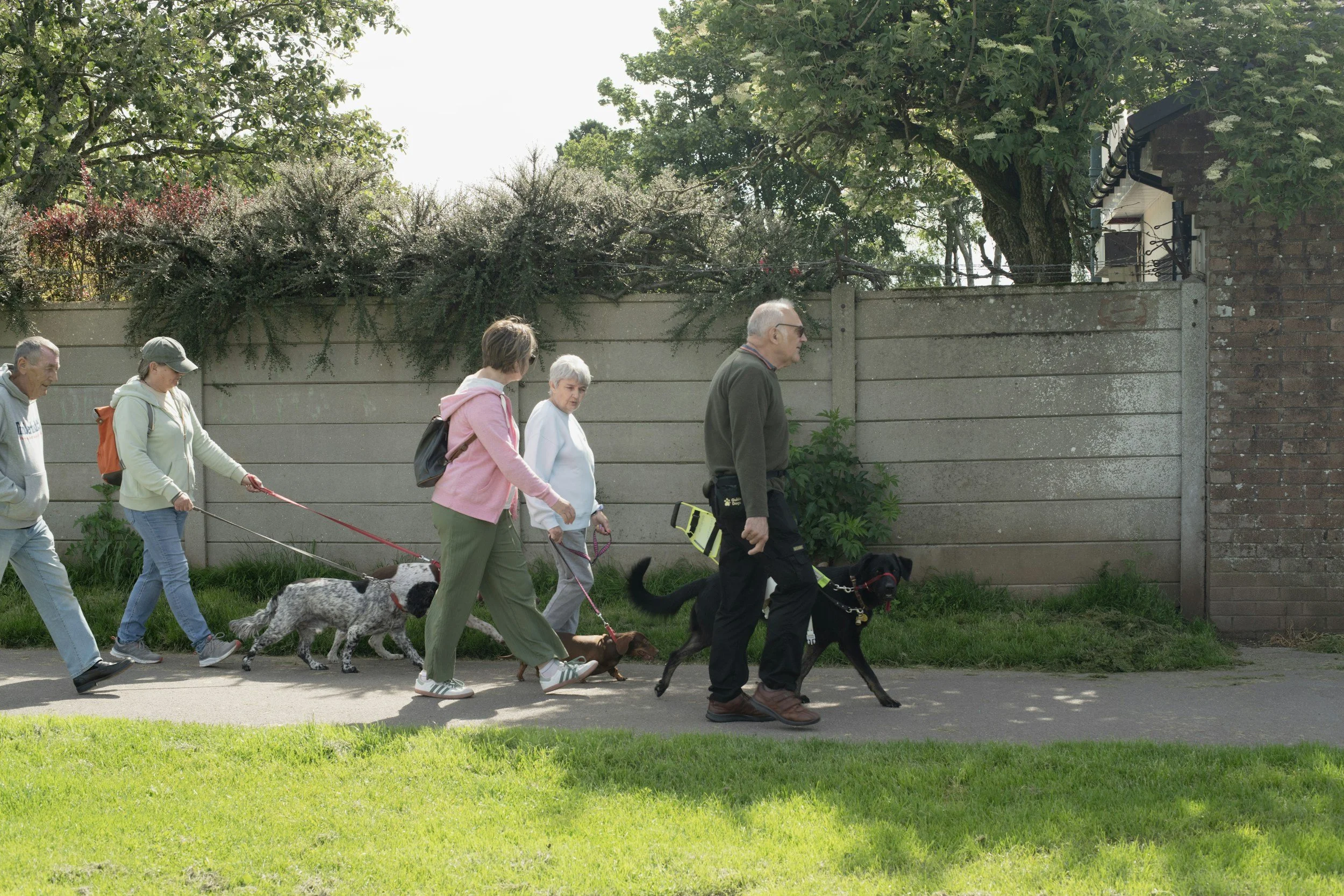
According to a recent study, 86% of pet owners surveyed said their pets mostly have a positive impact on their mental health. The benefits of pet ownership have long been known. Researchers say that pet owners get a jolt of oxytocin from interacting with dogs, and some studies show that pet parents have healthier hearts, are less depressed, and get more exercise. So if you think pet owners will leave their furry buddies behind when they enter senior living, think again, which presents some exciting opportunities for senior living communities.
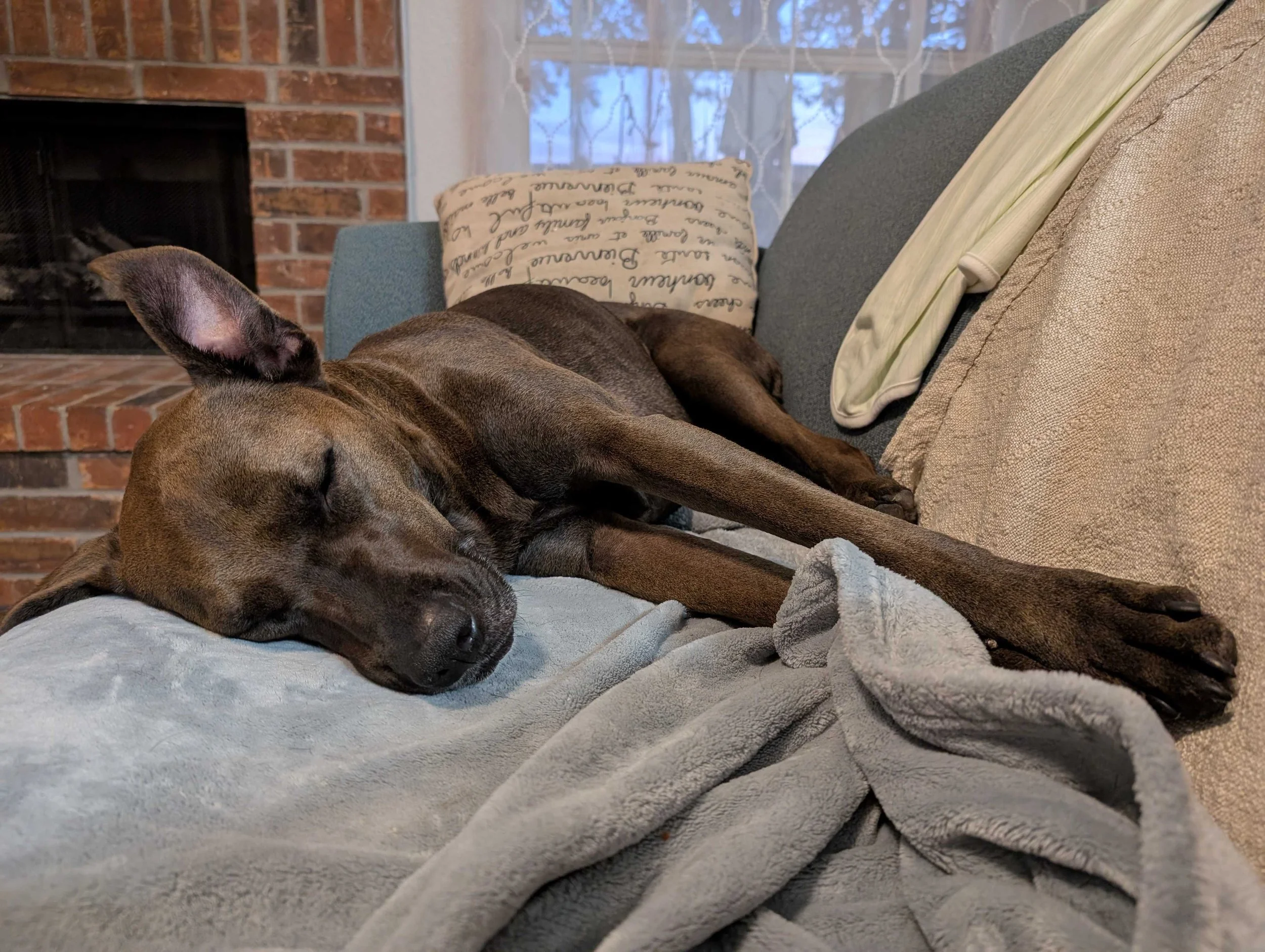
Ask someone with pets how they feel about them, and most would say, “They’re family.” In fact, about half of all adults aged 50 and older have at least one pet and about a third have multiple animals. Not surprisingly, dogs and cats are most popular.
So when it comes time to move into a senior living community, prospects are likely to want to bring their “family” with them. Communities that allow residents to share their homes and lives with their pets will appeal to these individuals and give them an advantage over other communities.

This year marks the 32nd World Senior Citizen Day, a time to celebrate the people, experiences, and perspectives that make every generation unique.
The way we think about senior living continues to evolve. Today’s residents want opportunities to stay active, pursue their passions, build meaningful connections, and live life on their own terms.

Wellness these days is more about keeping minds and bodies active. Residents want to be physically active with activities like pickleball, walking, and hiking, as well as classes like yoga and Zumba. Older adults who prioritize longevity and aging well seek senior living options that enable them to accomplish their life goals. Increasingly, this means settings with not only a fitness center but a wellness center that provides activities, services, and education that promote health and well-being.