Splash, Save, Succeed: Make Waves with Your Pool
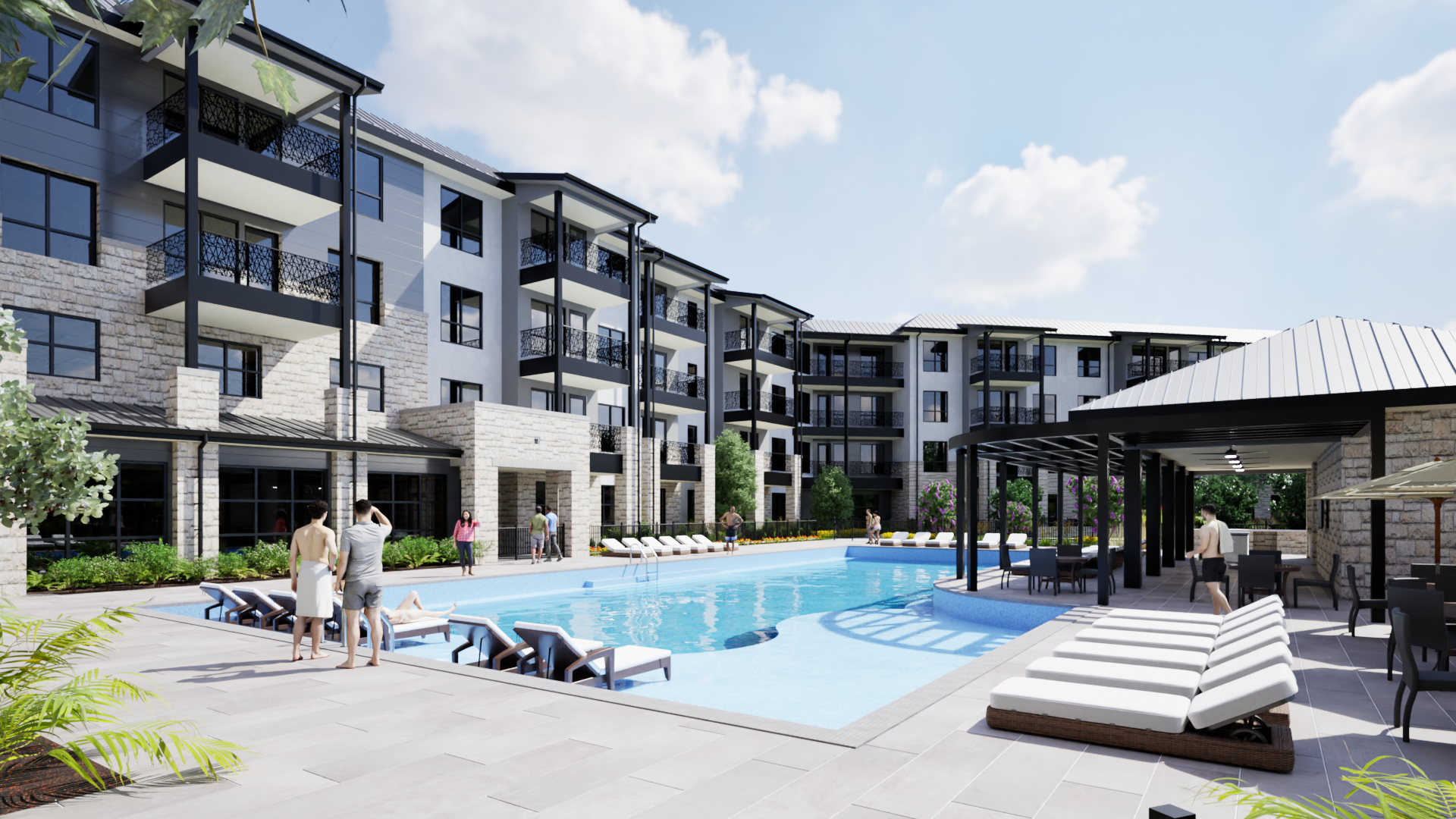
If you look at ads and brochures for senior living communities, you’re likely to see at least one photo or video of people enjoying the pool. Many residents wouldn’t consider moving into a community without one. Whether you’re building a new community or renovating or updating an existing one, a pool is likely part of your plans. Whatever you do, here are some tips on how to make sure your pool performs for your residents, you, and your budget.
Pool Prestige
It’s important to understand that seniors want a pool for various reasons, most of which have nothing to do with swimming. For instance, many grew up with pools as a status symbol and a central focus for summer socializing in their neighborhoods or communities. Whether they grew up with a backyard pool, belonged to a country club, or vacationed in a motel or hotel that featured a pool, most seniors have happy pool-related memories from their youth. A pool in their senior living community harks back to those memories and has become a status symbol for them.
Some seniors want the pool for their families. The grandkids love to come over and splash and play in the pool. Let’s face it, grandparents want to be a source of fun for the grandchildren, and what is better than a swimming pool? The residents may seldom, if ever, go in the pool themselves, but they see it as an important family amenity. The pool is also an important feature for intergenerational communities with residents of all ages.
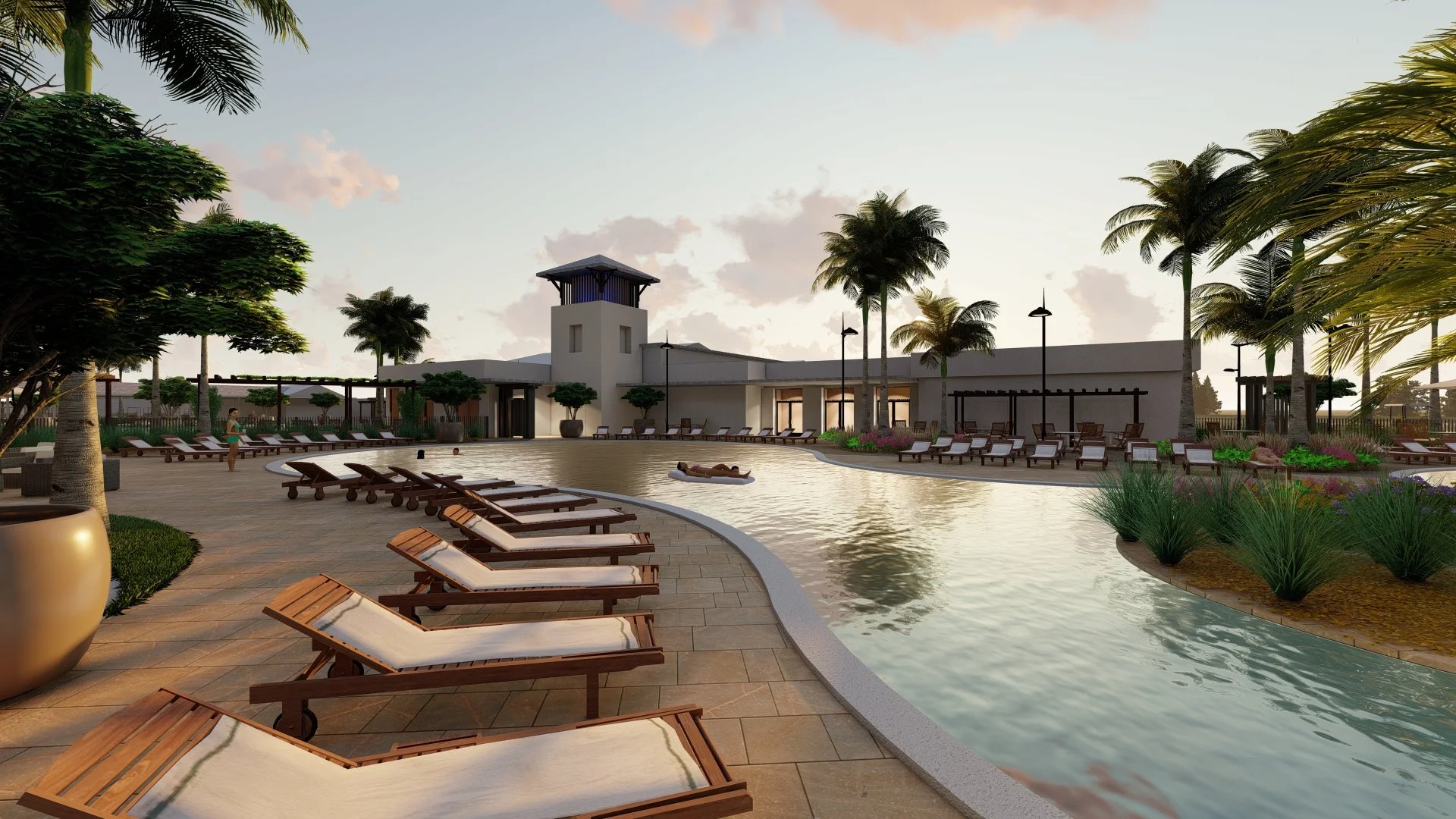
Many older adults view the pool as a key backdrop for their summer fun. They don’t want to swim or go in the water, but they want to relax or socialize around the pool. They want comfortable seating to sit, talk, have a drink, or play cards. They want cutting-edge cooking and grilling facilities, fire pits, wet bars, and places to cool off under the shade. They’ll likely want to watch TV and movies, listen to music, and use their laptops and tablets, so be sure to provide plenty of conveniently located, safely accessible power outlets and charging stations.
Pools and Health
More than ever, pools are not just for recreation. They can be used for aquatic exercise and activities to increase strength and mobility, reduce falls, and enable nonimpact weight-bearing, calorie-burning exercise. Many communities are implementing therapeutic elements in their pools or creating therapeutic pools with amenities like heat and whirlpool jets. These can be used for muscle relaxation, improved circulation, pain relief, and better sleep.
At the same time, many seniors are attentive to preventing skin damage and melanomas, and they don’t want to sit in the sun. So pools and outdoor spaces should have awnings, overhangs, and other design features to allow people to sit outside but minimize sun exposure. Consider having a sunscreen dispenser in the pool area.
Zero Entry: 100 Percent Popular
Zero-entry pools, which feature a gradual sloping entrance that begins flush with the surrounding deck, have become increasingly popular in residential communities. Their beach-like appearance creates an inviting, resort-style atmosphere while offering important accessibility benefits. The gentle slope allows residents with limited mobility to enter and exit the water more safely and comfortably. It also provides a shallow area where residents can relax and enjoy the water without fully immersing themselves. As a result, zero-entry pools can serve as an attractive alternative to traditional pool lifts, which are often underutilized, difficult to operate, may require staff assistance, and can make some residents feel self-conscious.
Despite their aesthetic and functional advantages, zero-entry pools present several considerations that should be carefully evaluated. Construction costs are typically higher because the gradual entry requires a larger pool footprint, increasing both material expenses and space requirements. In addition, designing and building a zero-entry pool requires specialized expertise. Qualified contractors may be more difficult to find, and their services often command a premium due to the complexity of the work. Weighing these costs and logistical challenges against the accessibility and lifestyle benefits is essential when determining whether a zero-entry pool is the right choice for a community.
Resort Pools: Fun in the Sun!
A resort-style pool with zero-entry and space for sports and socializing is worth considering. The pool can also flow into a lazy river, with a couple of jets and an intake designed to create a slight current and propel people with floatation devices along the water. The idea of floating along a “river,” listening to music with a drink in hand, is luring, but know the rules and risks of food and beverages in and near pools and avoid inner tubes and other devices which can trap or entangle residents. Resort-style pools should be multi-use pools, wide enough for sports and group exercising, multiple depths, however, all shallow. There are no diving boards here.
Indoor Pools: Bringing the fun inside
Indoor pools are often for exercise only, allowing laps and group exercise year-round. Due to the conditioned environment coupled with high humidity, indoor pools are challenging to maintain. Good ventilation is necessary, and chlorine pools are not recommended for these closed environments. A good compromise is an indoor/outdoor pool. Also referred to as a greenhouse or caged pool, these plexiglass and screen-paneled enclosures can reduce flying insects, provide good ventilation, as well as shade. Use of plexiglass and screening creates a more controlled environment, which can be just as appealing as an outdoor open pool, but without the safety gates and fencing required in most jurisdictions for exterior pools.
Proliferation of Pools?
Communities that have the space and budget may have multiple pools. For instance, they may have a resort-style pool for outdoor socializing and dining, an indoor pool for exercise and physical therapy, and maybe a small heated pool with whirlpool jets for relaxation and pain relief.
Insurance Implications
While pools can be fun for residents and their families, they can be headaches for the community, with insurance concerns such as liability risks from accidents, injuries, or property damage. Before you build a pool or renovate or upgrade an existing one, it is important to talk to your insurance provider and find out how this may change your rates or coverage. Make sure staff are up-to-date on things like CPR, safety training, and pool maintenance. Minimize or eliminate risks of accidents or injuries with measures such as fencing around the pool, pool covers, nonslip surfaces, proper lighting, pool alarms for when the pool is closed, and clear signage.
Communicate Before Construction
Pools and adjacent outdoor spaces represent a huge financial commitment on the part of the community; so before making any investment, find out what your residents want. An Olympic-sized pool with high diving boards may not be necessary if residents primarily use the pool as a social backdrop. If residents will be expected to take on some of the cost through an assessment or increased fees, let them know in advance, and give them an idea of how this money will be spent. Provide a realistic timeframe for completion of the pool project.
Costs: Finding the Best Value
First costs include specialized design, selection between a Chlorine, Salt, Mineral, UV, or Ozone systems, multiple low suction, and distribution ports for cleaning, solar or gas heaters, landscaping, fences, hardscaping, enclosures, exterior showers, accessibility, restrooms, surfaces, and furniture. Other operational costs include added staff, insurance, and electricity.
A pool is a marketing windfall that can quickly become a safety concern like any other poorly selected or maintained asset. Thus, making informed decisions early based on goals applicable to your location and acuity level can ensure greater success. Selecting the right architect, landscape architect, contractor, and pool design professional is key in creating an environment that will not only appeal to the new resident but will also maintain a lifestyle for the existing resident for years to come.
Pi Architects | Contact us here or call us at 512-231-1910.

Recent Insights