Integrating Intergenerational Principles in Senior Living: Reaping Rewards Without the Pitfalls

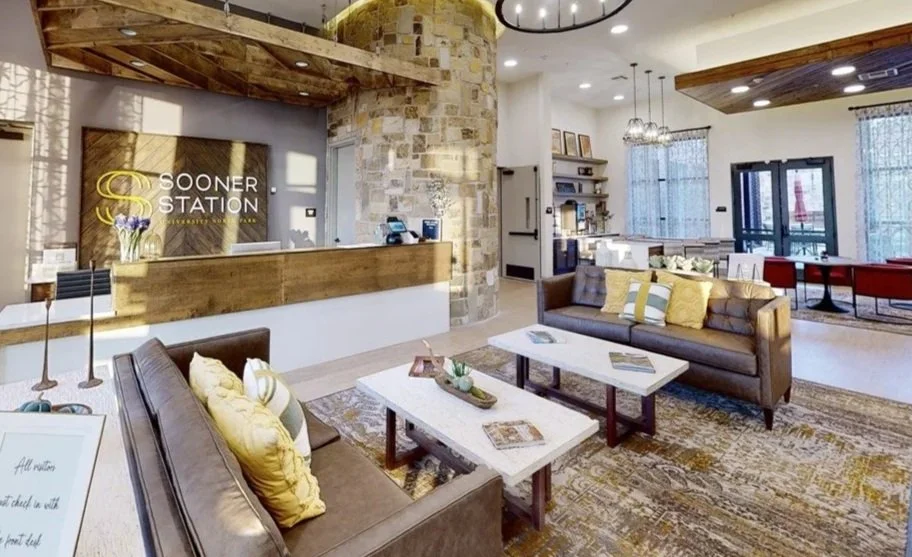
Increasingly, older adults don’t want to engage just with their peers. They want friends and acquaintances of all ages. At the same time, younger people appreciate opportunities for intergenerational living that offer affordable housing and diverse interactions. Many older adults, particularly younger Boomers and Gen Xers, seek to interact with people from other income levels, interests, and age groups. As a result, we’re seeing more communities that mix high-end with middle-market units and amenities, such as restaurants and fitness centers, open to area college students and the broader community. At Integrating Intergenerational Principles into Your Projects, a program at Boston LeadingAge, a panel featuring Pi Architect’s Greg Hunteman discussed how intergenerational connections can enhance both the design and operation of senior living environments.

Intentionally Intergenerational
Craig Witz, senior director of development for The Kendall Corporation, spoke on how to be intentionally intergenerational. This means believing:
The next generation of consumers expects a more inclusive model of aging in society.
There are strong social benefits. One of which is fighting the stigma of aging.
Intergenerational elements can be a strong market differentiator with tangible economic benefits.
Lisa Warnock, founder and principal, Glow Interior Designs, discussed a survey her organization conducted. Of 490 respondents between the ages of 22 and 89, an overwhelming 95% of participants responded that they believe senior living should include intergenerational programming.
Warnock identified themes that shape a long-term vision of senior care, and many of these have an intergenerational component. Among them:
Affordable and flexible housing with options that meet different financial needs.
Engaged and integrated community living, with inclusive, multigenerational living spaces and shared educational, cultural, and recreational activities that encourage interaction and mutual support.
A strong health and wellness focus that prioritizes physical and mental health.
An intergenerational, inclusive approach to senior living that values community connections, lifelong learning, and engagement as central to wellbeing.
Opportunities that contribute to active, purposeful, and meaningful living.
Integrating childcare with senior care.
Educational partnerships and shared learning.
Cutting-edge technology and connectivity.
Accessibility and universal design.
Engagement and interconnections that reduce ageism.
The Perks and the Challenges
The panel observed that intergenerational programs and elements have many benefits, as well as some challenges. The benefits they noted include:
Socialization and reduced isolation help combat loneliness and promote mental health and physical activity in seniors.
Lifelong learning that keeps older adults mentally stimulated and allows them to gain new skills.
Community connections that foster a strong sense of belonging and integration with the wider community.
Increased quality of life, with new experiences, events, and activities to look forward to, and a sense of meaning and purpose.
Improved health outcomes.
Less ageism and stigmatization of older adults. At the same time, there is a greater value and appreciation of people of all ages.
The challenges include:
Safety and security concerns.
Noise and lifestyle differences.
Resistance to change and acceptance.
Privacy and space needs.
Health and infection control, and the ability to prevent the spread of illnesses and outbreaks.
Programming and engagement as communities attempt to offer activities that appeal to a broader audience.
The presence of ageism and generational biases.
Staffing and operational complexities.
Cost and funding issues.
Legal and regulatory hurdles. Issues such as zoning, building codes, fair housing laws, and risk management must be examined and addressed before taking the intergenerational plunge.
The good news, the group agreed, is that more senior living communities are finding ways to overcome the barriers. Currently, the most popular intergenerational amenities include a coffee shop, on-site college classrooms, community fitness centers, spaces leased to third parties, and a playground on the senior campus.
Hunteman noted that one “huge opportunity” flying under the radar is the potential to combine housing for seniors with housing for individuals with intellectual/developmental disabilities. “Seniors could be safe neighbors for I/DD residents learning to live independently,” he said.
Building a Business Case
Even when those working in senior living understand and appreciate the value of intergenerational housing and amenities, it is important to build a case that can get everyone – organizational leaders, staff, residents, families, and the community at large on board and overcome concerns and objections. Witz said, “The non-senior living industry – such as multi-family, mixed-use development, etc. – would benefit from incorporating age-friendly strategies to advance intergenerational living.” He added, “Intergenerational programming requires rethinking the orientation and layout of a campus and building components to provide visual access to common spaces and physical access from patron parking.”
Another consideration, he observed, is that some intergenerational programming elements do not add direct capital and/or operational costs that require a standalone ROI analysis. For example, he said, “Childcare typically only covers its operational costs and rarely recoups capital startup costs. However, it can be an excellent employee benefit.” Elsewhere, he said, “Some intergenerational programming elements may require additional focus from local zoning and regulatory bodies, as well as some insurance carriers. He explained, “Additional revenue streams, such as sales to non-residents, may impact zoning and tax status.”
On the plus side, intergenerational programming generally does not increase development costs because the amount of square footage used is consistent with conventional senior living options.
Despite the costs and other issues, Witz said, “Intergenerational programming is a market differentiator, making the community more attractive and allowing for higher priced units.”