Vibrancy by Design: How Modern Layouts Fuel Resident Energy
Designing Senior Living Communities for How Older Adults Feel, Not Just How Old They Are
When we design senior living communities today, our focus begins with the people who will call these places home. We aim to see the environment through their eyes—anticipating the lifestyles, preferences, and aspirations they bring- and to do that effectively, we must look beyond chronological age and consider subjective age—how old someone feels and identifies.
An individual’s psychological age is defined as the extent to which a person perceives themselves as younger or older than their chronological age. Growing research indicates that emotional well-being and age identity significantly impact long-term health.
Designing for Active, Engaged Older Adults
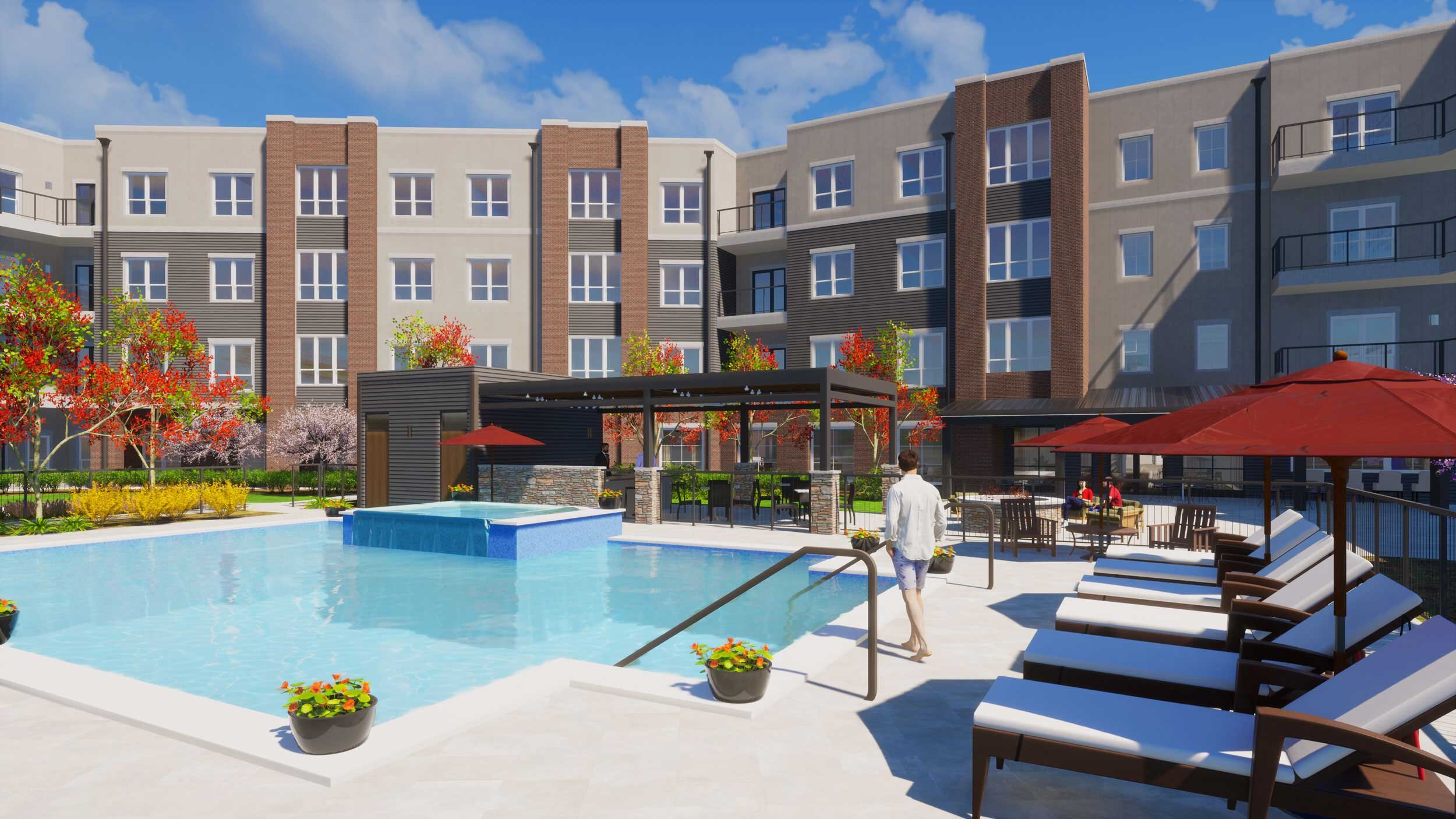
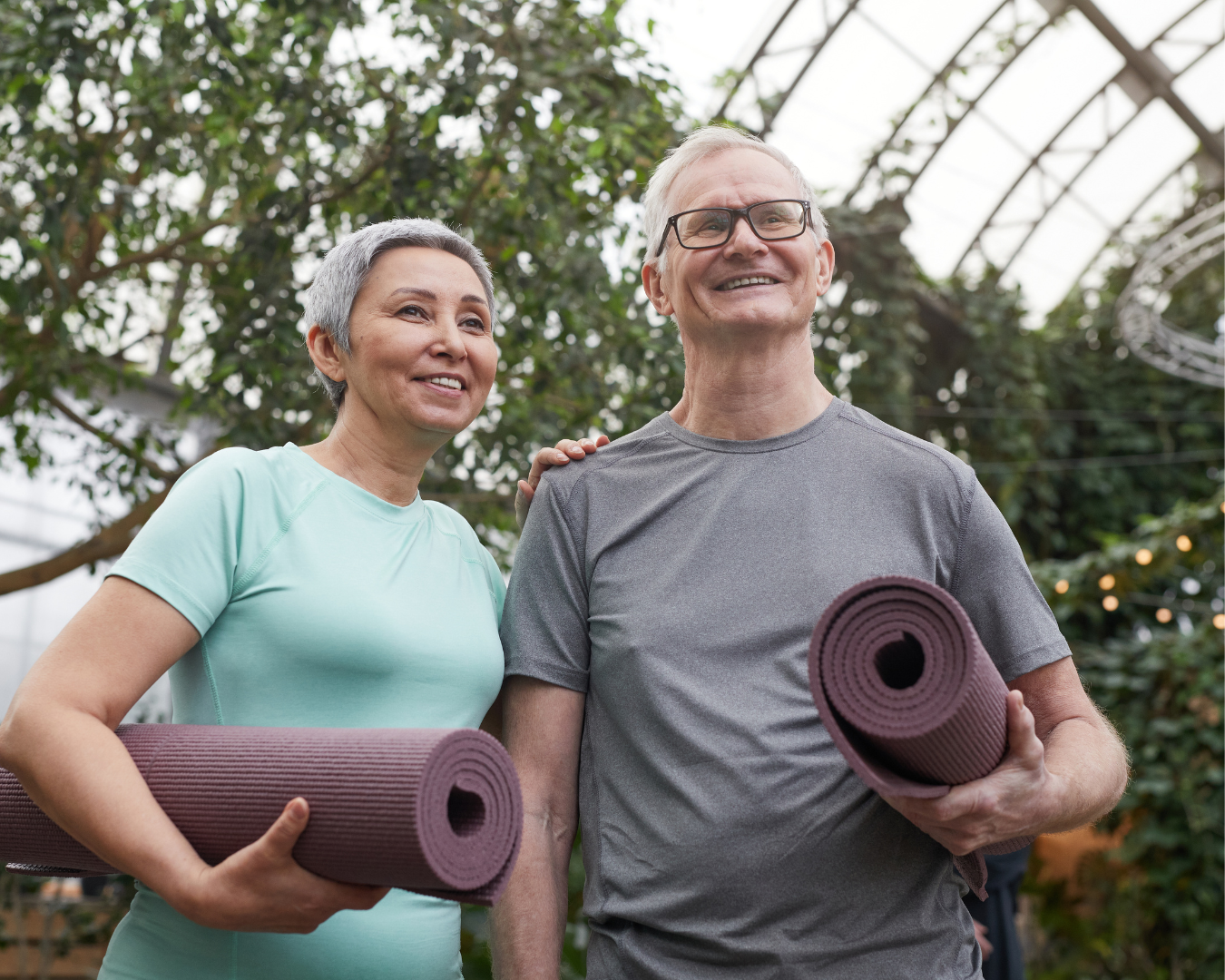
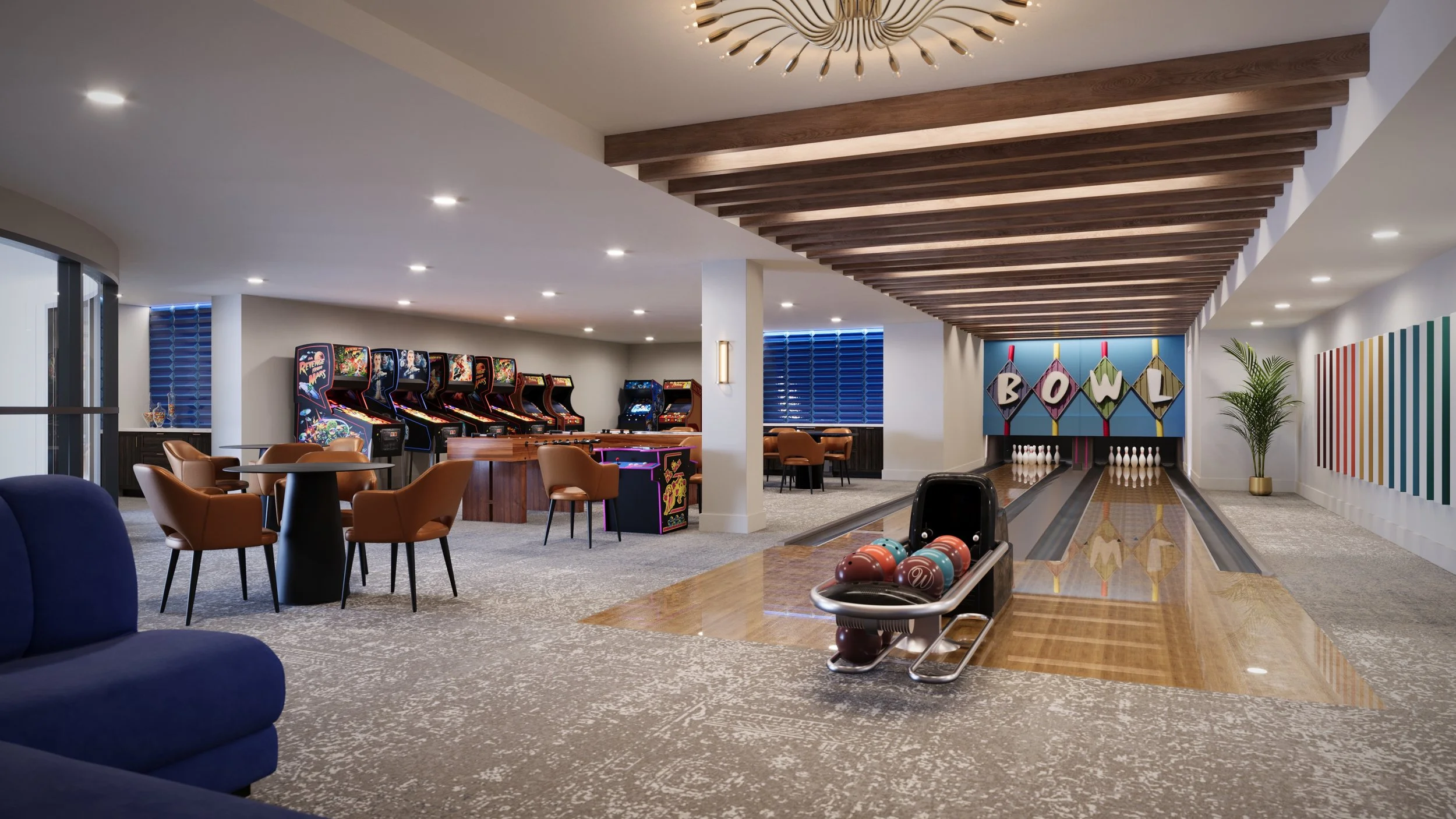
Modern senior living communities must appeal to residents who see themselves as active, curious, and youthful in spirit. These individuals expect far more than a traditional game room or lounge—they want an environment that reflects how they live today.
Forward-thinking communities are incorporating amenities such as:
State-of-the-art fitness and wellness centers
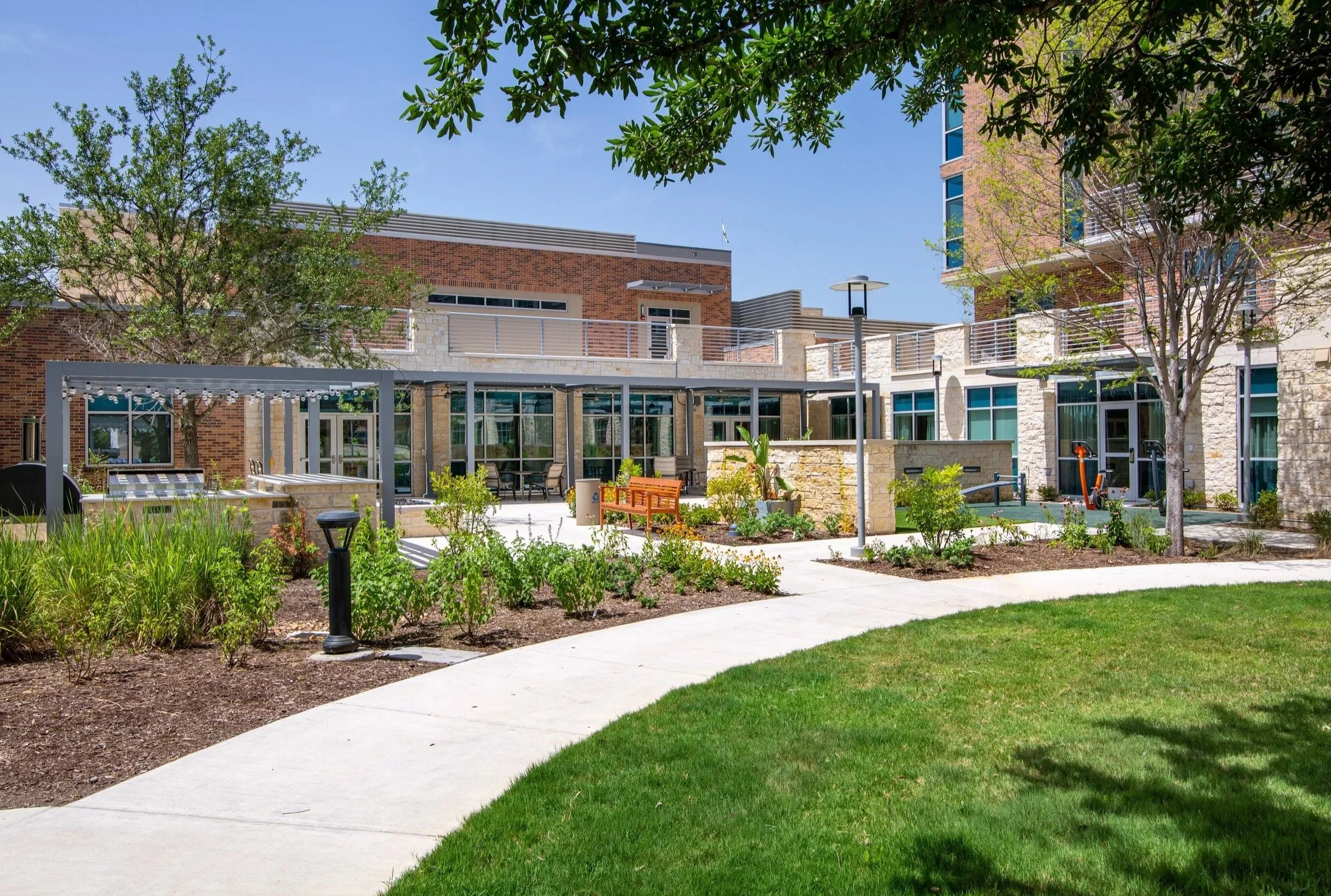
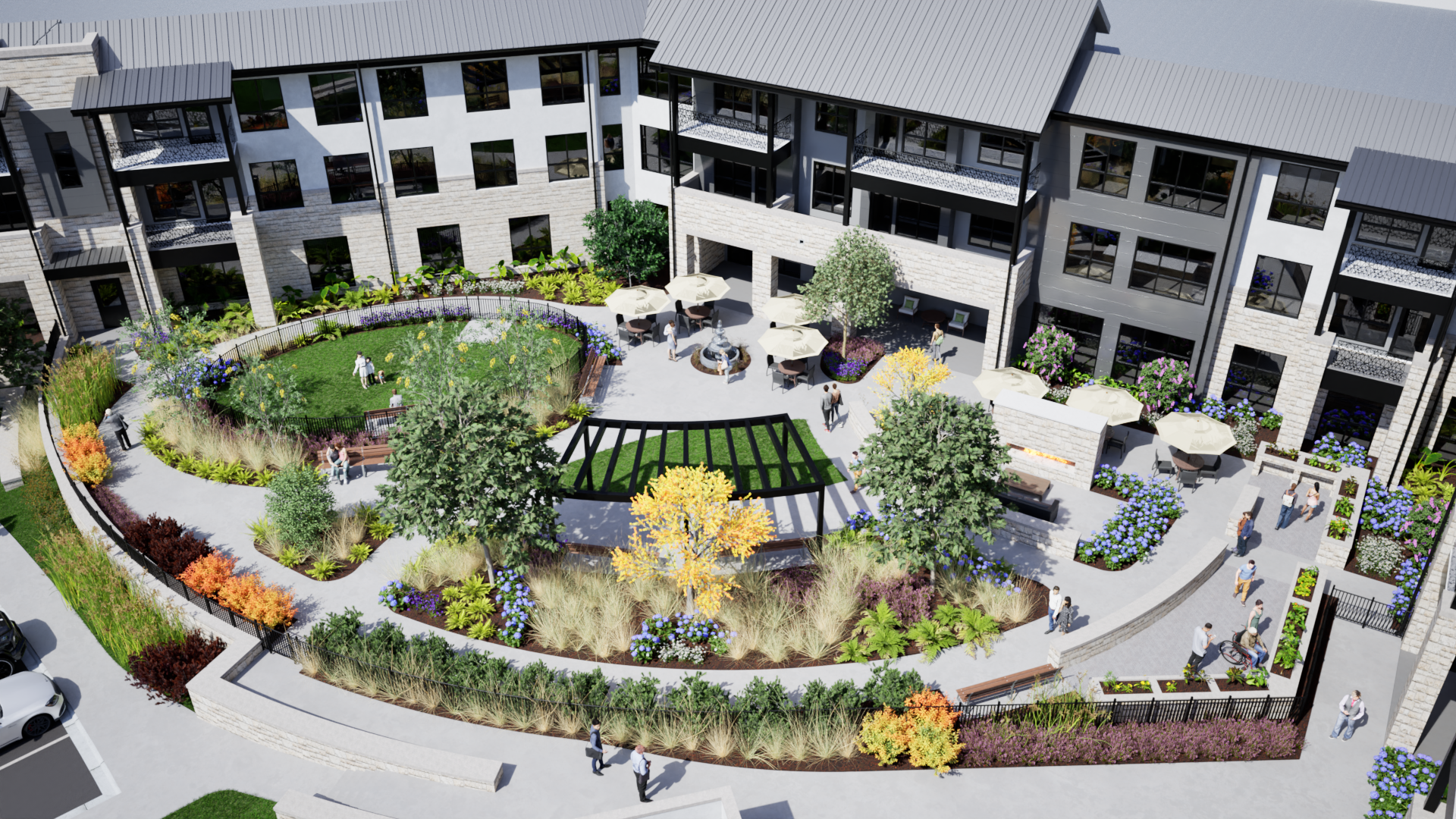
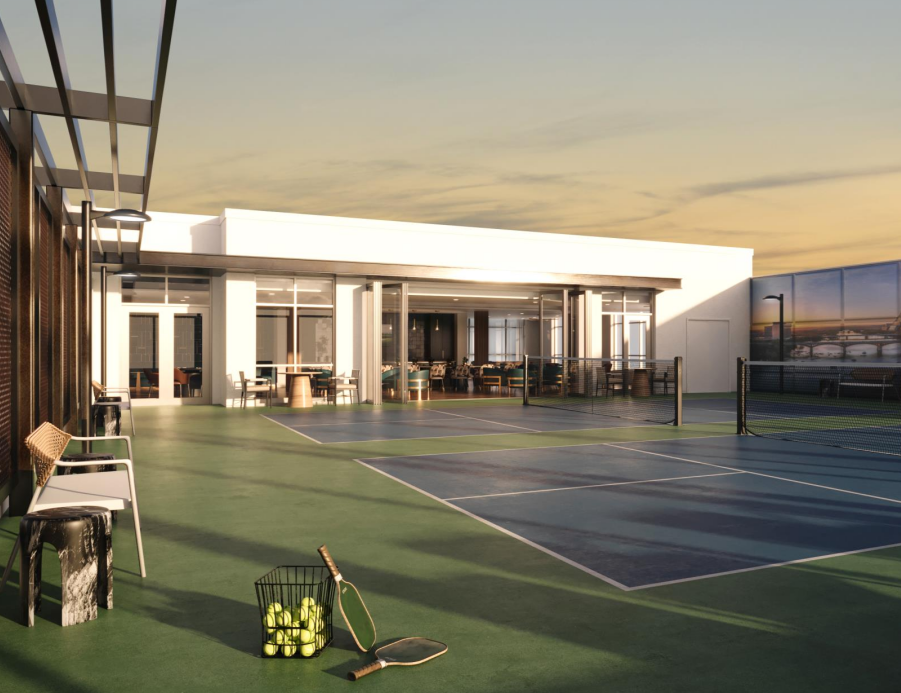
Pickleball courts and indoor/outdoor recreational spaces
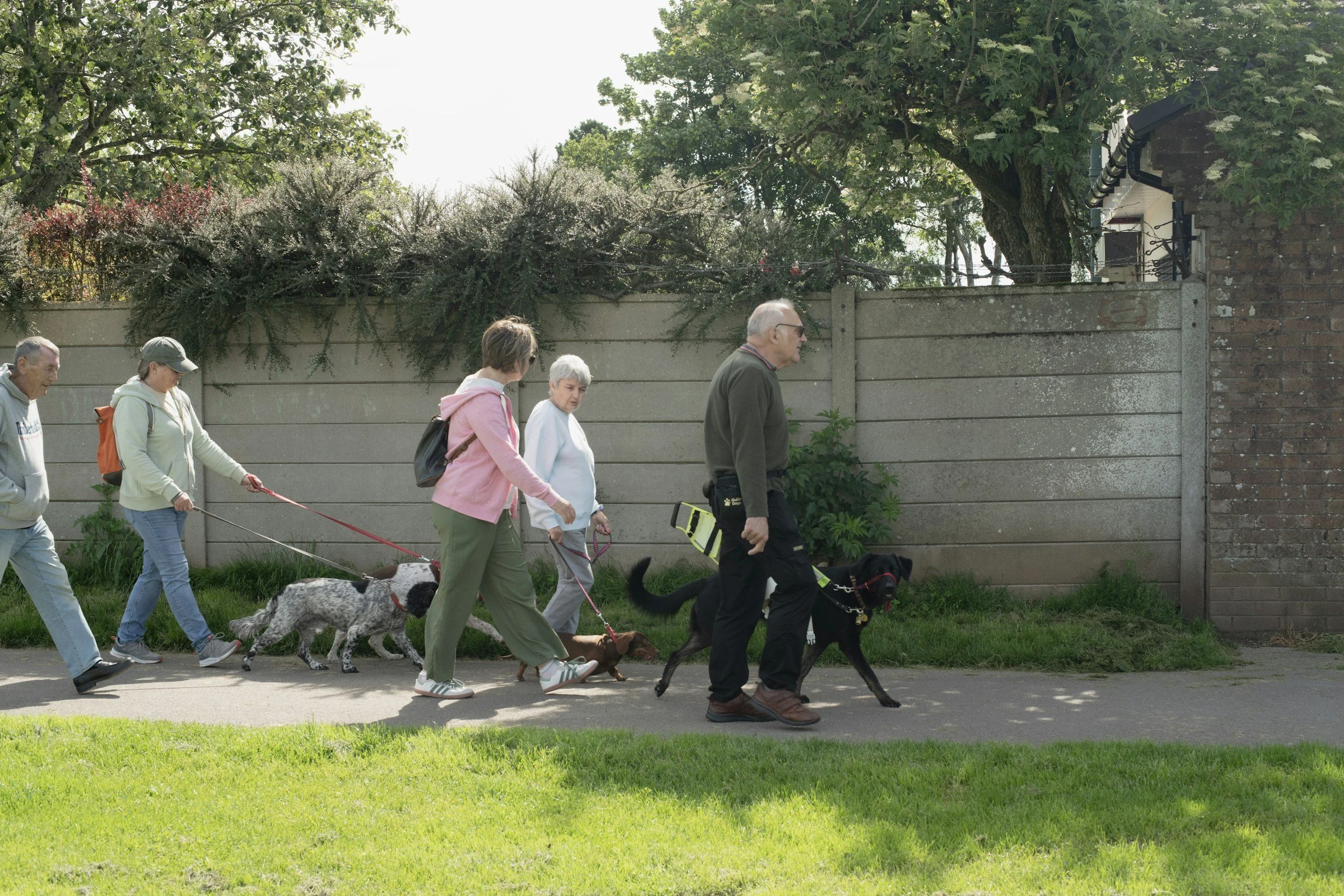
Dog parks, walking, and biking trails
Media studios, podcast rooms, and e-sports lounges
Coffee shops, wine bars, and restaurant-style dining
Full-service spas, salons, and hydrotherapy services
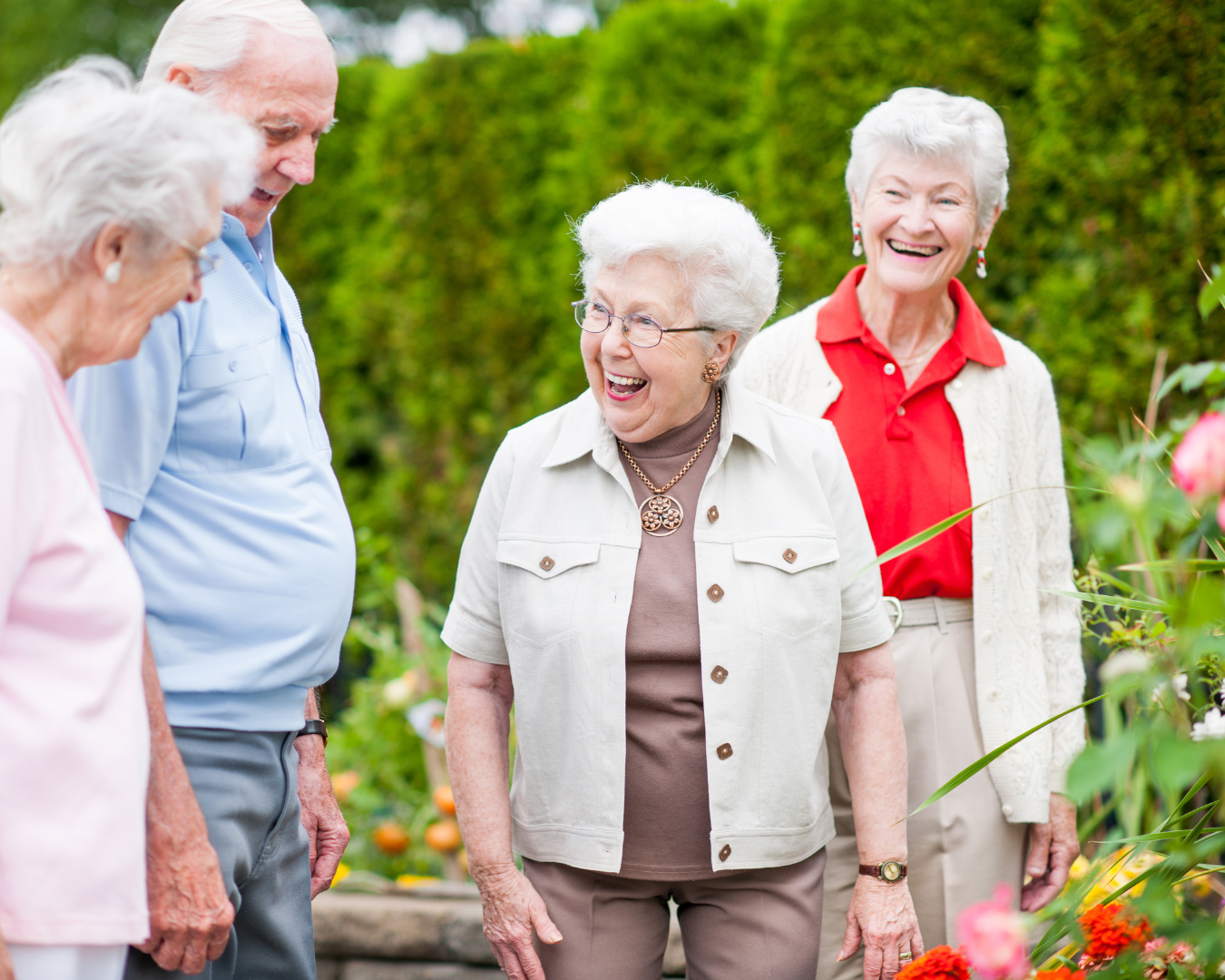
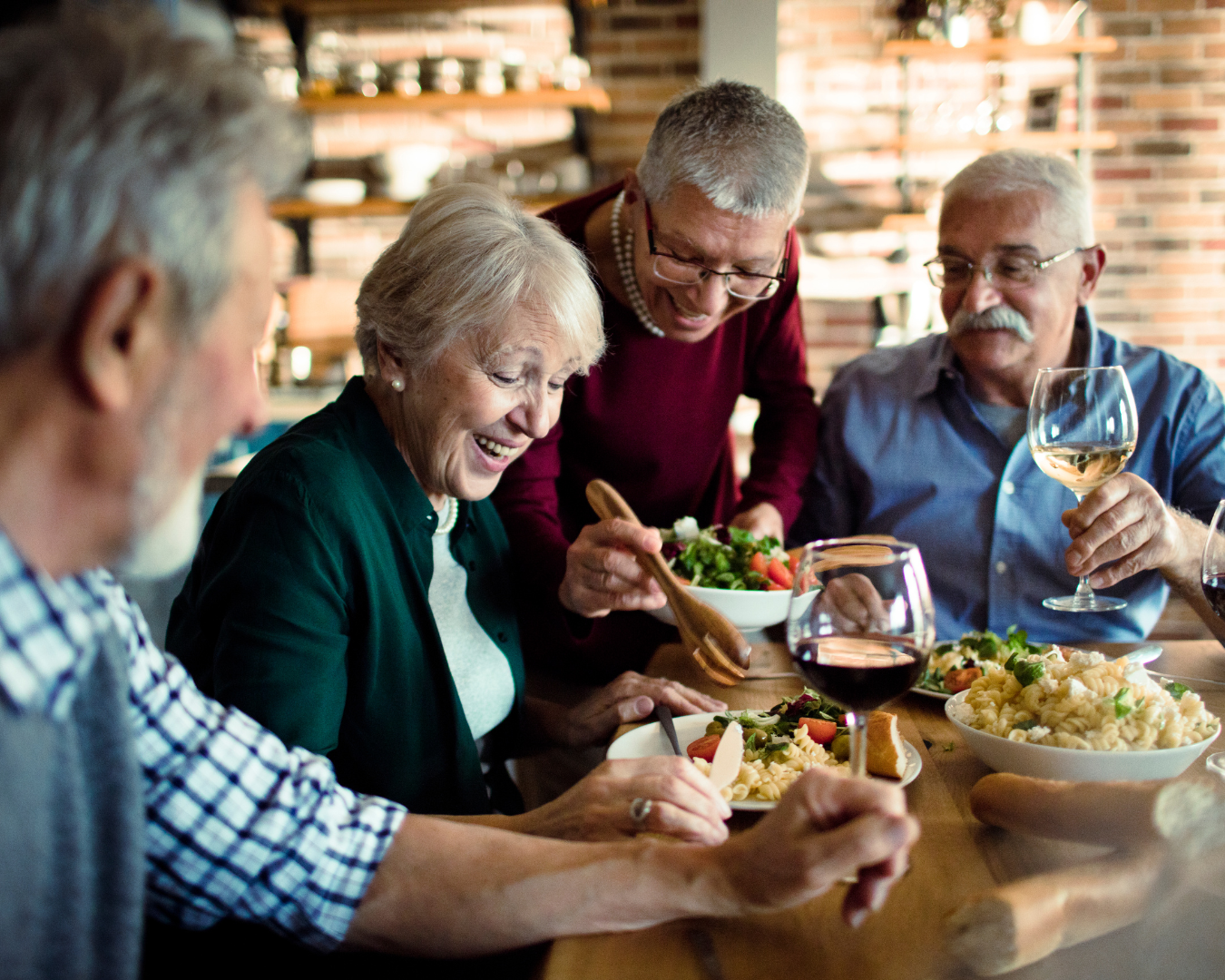
Older adults increasingly seek places that offer vibrancy, social connection, and opportunities for exploration.
Aging-Friendly Design That Doesn’t Feel Clinical
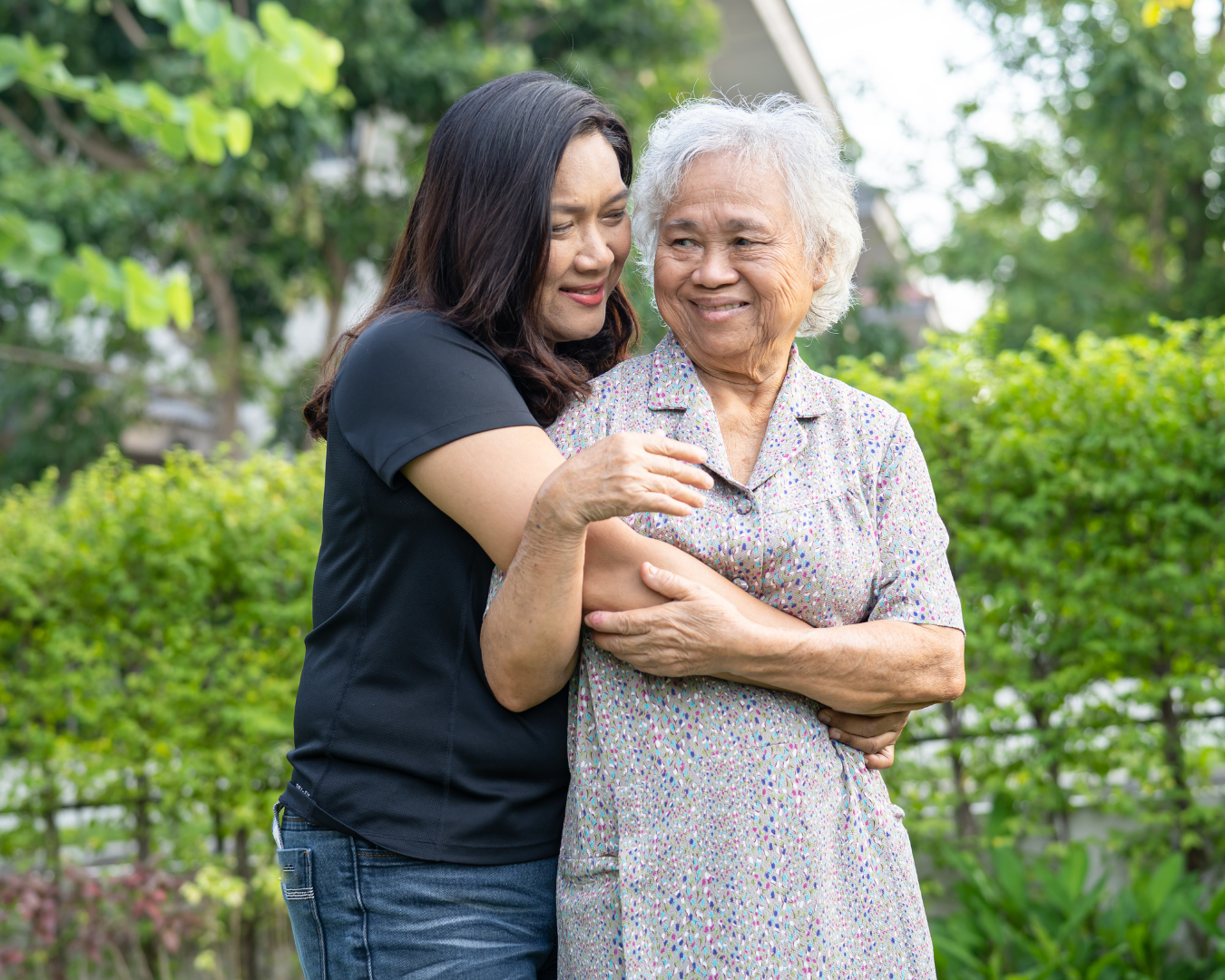
Even the most active older adults need environments that support comfort, safety, and mobility. This includes non-slip flooring, intuitive lighting, handrails, wide hallways, and step-free access throughout. But today’s residents don’t want to be reminded of aging every time they walk down the hall.
The challenge—and the design priority—is integrating these features subtly and beautifully so they support aging without signaling frailty. Warm materials, residential-style finishes, and smart architectural choices can make safety seamless.
Safety and Peace of Mind
Psychological factors such as anxiety or a sense of vulnerability can influence long-term health. Over the past few years, this has taken on new relevance. Residents must feel safe, not just be safe.
Communities now incorporate features such as:
Wide corridors and flexible seating arrangements
High indoor air quality and advanced filtration systems
Smart sensors that enhance safety without intruding on privacy
The goal is to create security without reminding residents of risk.
Designing for Diverse Identities and Lifestyles
Subjective age varies widely across cultures, communities, and personal backgrounds. That’s why we are seeing a growing number of niche communities tailored to specific interests, identities, or lifestyles—whether that includes cultural heritage, shared hobbies, wellness-focused living, or intergenerational programs. These communities foster belonging, which in turn supports health and happiness.
Supporting Purpose, Growth, and Future Possibilities
Another key factor in how people perceive their age is their “future time perspective”—how much time they believe they have to pursue goals or dreams. Communities that help residents feel that there is still time to create, contribute, and achieve can improve well-being dramatically.
To support this, many communities now offer:
Business centers and coworking spaces for part-time work or entrepreneurship
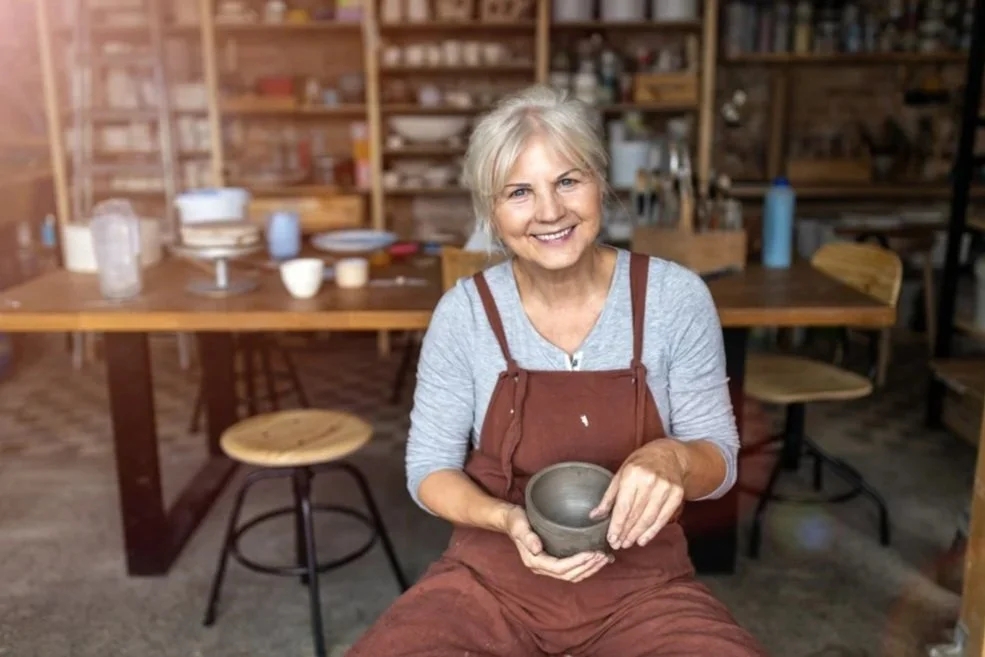
Fully equipped art studios, maker spaces, and workshops
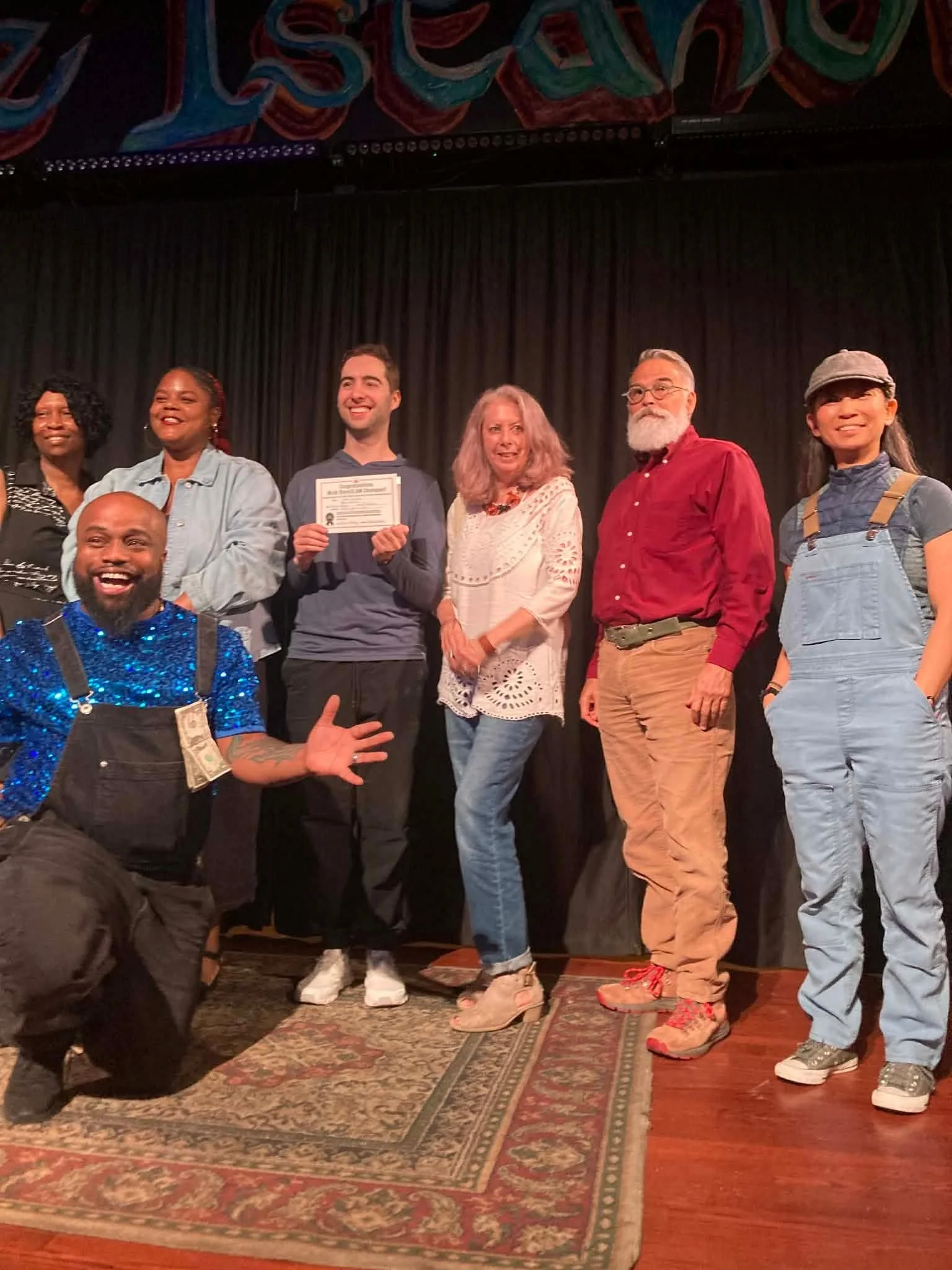
Theaters, performance spaces, and production rooms
On-site classrooms, continuing education, and partnerships with local universities
Opportunities for resident-led ventures—from community gardens and farmers markets to animal care programs, tutoring, and volunteer initiatives
These features help residents feel empowered to keep building the life they want.
Creating Places That Support Joyful, Healthy Aging
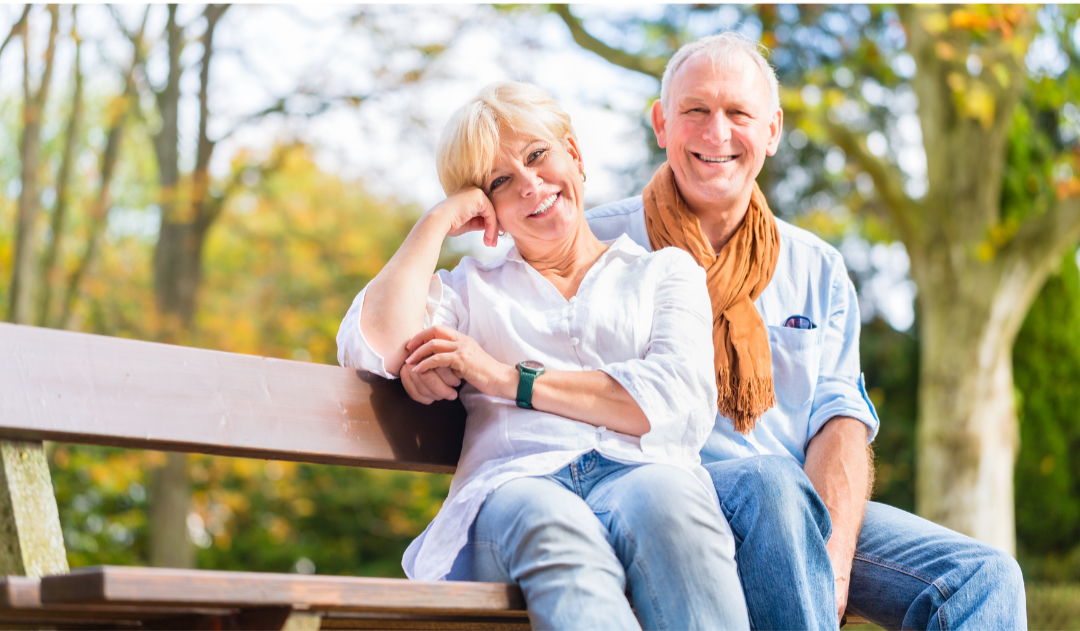
We can’t turn back time; however, we can design environments that support healthy aging, reduce stress, promote independence, and spark joy. Our mission with every community we design is to create a place where older adults can live fully, pursue their passions, connect with others, and experience the highest possible quality of life.
That means designing not to a number, but for how they feel—and how much life they still want to live.
Contact us here or call us at 512-231-1910.